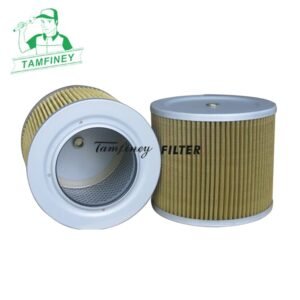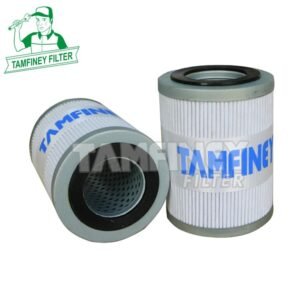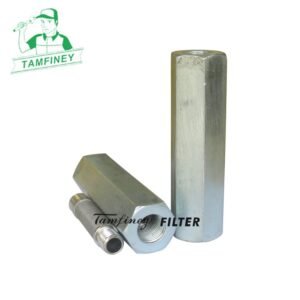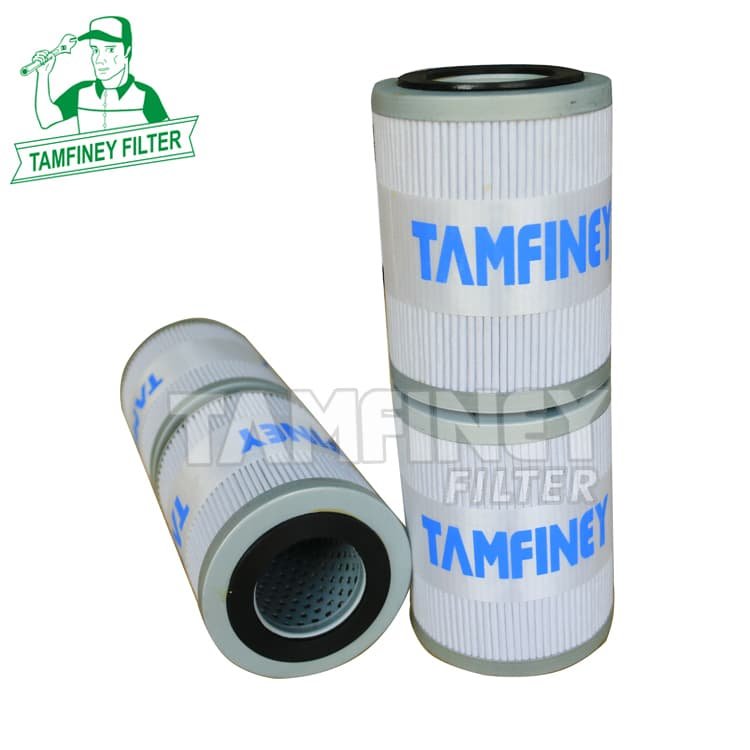


| Hydraulic Filter YR52V01002P2 Hydraulic Filter YR52V01004R300 72281484 Parameter: | |
| Part Number | YR52V01002P2 Hydraulic Filter YR52V01004R300 72281484 |
| Brand | Tamfiney |
| Weight | 570 g |
| Height | 221 mm |
| Outer Diameter | 83 mm |
| Inner Diameter/ Thread Size | 42 mm |
| Minimum Order | 100 PCS |
| Place of Region: | Zhejiang, China |
| Payment Terms: | T/T |
| Price Terms: | FOB |
| Lead Time: | 30 to 50 days based on order quantities |
| Market Type: | After Market |
| Current Export Market: | Southeast Asian,North America, South America, Western Europe, Eastern Europe, Africa, Oceania |
Applications:
CASE CX 20 BCX 22 B-ZTSCX 26 B-ZTSCX 26 SERIE 2CX 27 B-ZTSCX 30 BCX 31 BCX 35 BCX 35 B ZTSCX 36 BCX 39 B S2CX 40 BCX 50 BCX 50 B ZTSCX 55 B
FIAT KOBELCO E 115 SRE 20.2 SRE 22.2 SRE 27.2 SRE 35.2 SRE 50.2 SRE 70 SR/KSRE 80
Professional YR52V01002P2 Hydraulic Filter YR52V01004R300 72281484
Q: What are common contaminants in hydraulic systems?
Common pollutants in hydraulic systems can be classified into four categories based on their forms: solid particles, liquids (mainly water), gases (air), and chemical degradation products.
Classification of major pollutants
- Solid particles: metal debris, welding slag, dust, sand particles, seal wear debris, fibers (cotton yarn/paper scraps), rust, etc., pose the greatest harm and are prone to wear, jamming, and filter clogging.
- Liquid pollutants: moisture (condensation or invasion), incompatible oils, cleaning fluid residues, gelatinous substances generated by oil oxidation, etc., can cause corrosion, lubrication failure, and emulsification.
- Gas pollutants: Air bubbles mixed in, causing cavitation, noise, pressure fluctuations, and accelerated oil oxidation.
- Chemical/biological pollutants: degradation products of oil (precipitation due to increased acid value), precipitation of additives, and in rare cases, microbial growth (in aqueous environments)
Q: How often do hydraulic filters need to be changed?
There is no uniform fixed cycle for hydraulic filters. Core Replacement Reference Standard:
- Oil suction filter: Replace every 2,000 hours of operation;
- Return filter element: Replace within the first 250 hours after initial installation or major overhaul, then every 500 hours thereafter;
- High-pressure/cycling filter element: Standard 1000-3000 hours (shorter for precision equipment, shorter required for harsh environments);
- Forced Replacement Conditions: Differential pressure indicator alarm (typically >0.3~0.35MPa), during oil change, detection of metal debris/gum-like substances, or system anomalies.
Key factors affecting the cycle
- Working Environment: In dusty and high-temperature environments such as mines and steel plants, the cycle needs to be shortened (possibly to 3-6 months or 500-1000 hours);
- Oil Quality: Inferior hydraulic oil accelerates clogging, while high-quality oil can moderately extend service life;
- Equipment Type: Precision machine tools require extremely high cleanliness and frequent inspection or preemptive replacement;
- Operating frequency: Continuous high-frequency operation causes faster wear than intermittent use.