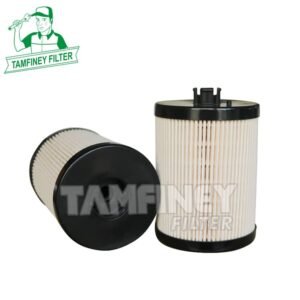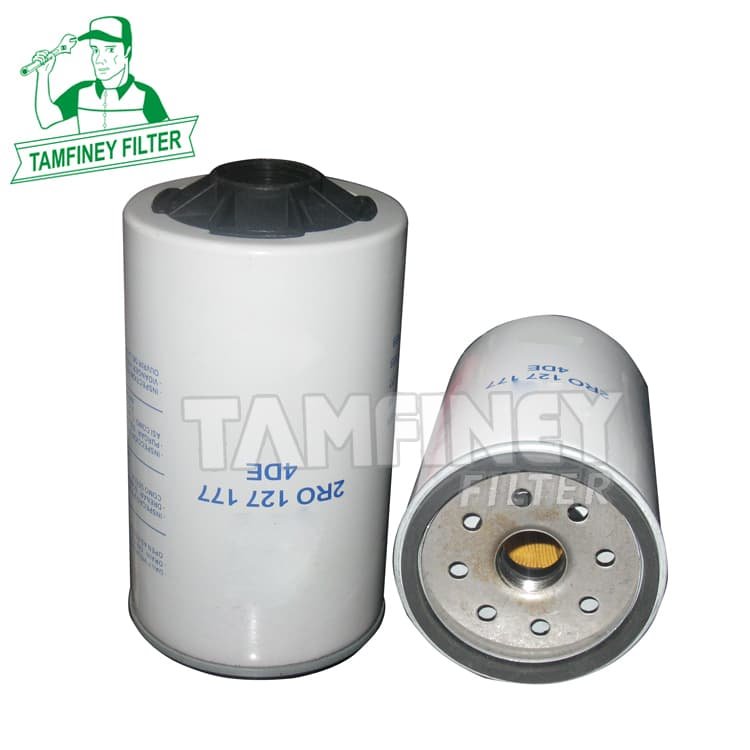
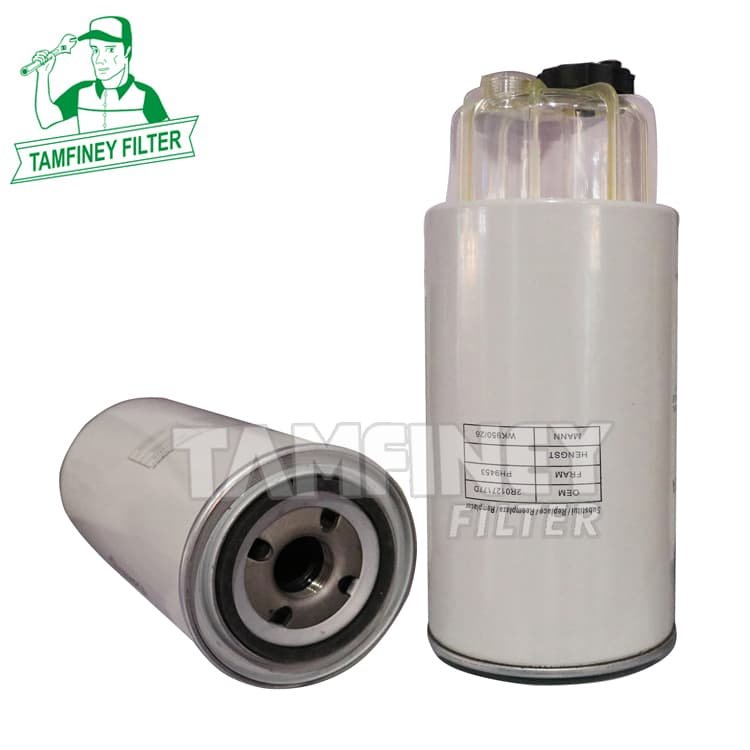


| Filter Cross Reference WK950/14 WK95014 2R0127177 2R0201511 MASTER0060 6008006040007 Parameter: | |
| Part Number | WK950/14 WK95014 2R0127177 2R0201511 MASTER0060 6008006040007 |
| Brand | Tamfiney |
| Height | 171 MM |
| Outer Diameter | 91 MM |
| Inner Diameter/Thread Size | 1-14 UNS-2B |
| Minimum Order | 100 PCS |
| Place of Region: | Zhejiang, China |
| Payment Terms: | T/T |
| Price Terms: | FOB |
| Lead Time: | 30 to 50 days based on order quantities |
| Market Type: | After Market |
| Current Export Market: | North America, South America, Western Europe, Eastern Europe, Africa, Oceania |
Application:
VOLKSWAGEN
13.15015.180 EOD15.180 EOD15.190 EOD17.210 EOD17.210 EOD17.210 EOD17.210 OD17.230 EOD17.230 EOD V-TRONIC17.250 E17.260 EOT17.260 EOT V-TRONIC18.320 EOT18.320 EOT23.21031.2605.1408.120 OD8.150 EOD8.150 EOD8.150 EOD8.150 OD9.150 E9.150 EOD9.150 EOD9.150 ODCONSTELLATION 19.320 ECONSTELLATION 19.370 ECONSTELLATION 25.370 ECONSTELLATION 31.320 ECONSTELLATION 31.370 EDELIVERY 5.140WORKER 26.260WORKER 31.260 E
Professional VW Fuel Filter Replacement WK950/14 WK95014 2R0127177 2R0201511 MASTER0060 6008006040007
Q: How often should a VW fuel filter be changed?
The replacement cycle of fuel filters for Volkswagen vehicles varies depending on the model. For example, the Lavida recommends replacing them every 20000 kilometers or 2 years, the Tiguan every 10000 kilometers or 1 year, and other models typically have a replacement cycle between 15000 and 60000 kilometers, depending on the fuel type and road conditions.
Differences in replacement cycles for different vehicle models
There are significant differences in the replacement cycle of fuel filters among Volkswagen models, mainly divided into the following three categories:
1. Lavida: The official recommendation is to replace it every 20000 kilometers or 2 years, whichever comes first.
2. Tiguan: Requires more frequent replacement, recommended maintenance every 10000 kilometers or 1 year.
Other models (such as Sagitar): The cycle range is relatively wide, generally ranging from 15000 to 60000 kilometers. For example, according to the manufacturer's recommendation, the Volkswagen version of the Sagitar has a mileage of 60000 kilometers or 4 years, while the Shanghai Volkswagen version has a mileage of 15000 kilometers.
Q: Where is the fuel filter located on a Volkswagen?
Volkswagen's fuel filters are usually located in the engine compartment, specifically near the fuel lines or fuel filters. It may also be installed on a vacuum tube, which contains separation elements such as diffusion cones and filters inside. Due to differences in equipment model due to configuration or year, it is recommended to carefully search for the inlet pipeline in the engine compartment and the front end of the frame oil tank.
Q: What is the function of this part?
The primary function of WK950/14 WK95014 2R0127177 is to remove moisture and impurities from fuel (such as diesel or gasoline) to ensure the normal operation of the engine and extend its service life.
Specifically, it achieves this function through the following methods:
• Moisture Separation: Utilizing the density difference between water and fuel, this process separates moisture from the fuel based on the principle of gravitational settling. The separated moisture accumulates at the bottom of the separator, making it easy to discharge periodically.
• Filtering impurities: While separating moisture, it can also remove solid particle impurities (such as sediment, metal shavings, etc.) from the fuel, preventing these impurities from entering the engine combustion chamber or fuel system.
• Preheating fuel: Some oil-water separators feature a preheating function to prevent fuel waxing in low-temperature environments, ensuring fuel flowability and improving engine starting and operational stability.
• Improve combustion efficiency: By supplying cleaner fuel, it promotes more complete combustion in the engine, reducing carbon deposits and smoke emissions, thereby optimizing engine performance.
This filter is a critical component in the fuel system, widely used in diesel vehicles, effectively reducing the risk of fuel injector failures and minimizing engine wear.