Get a Free Quote
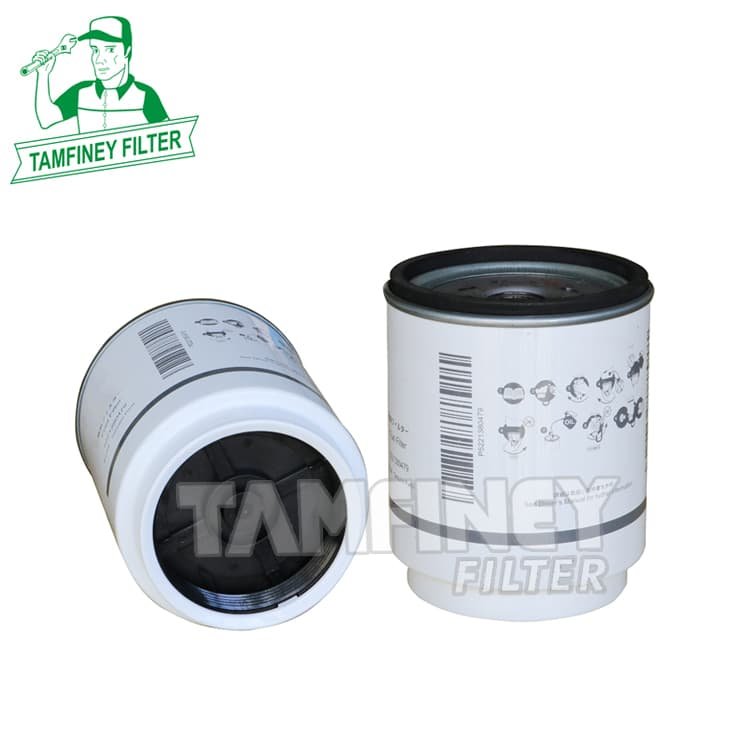
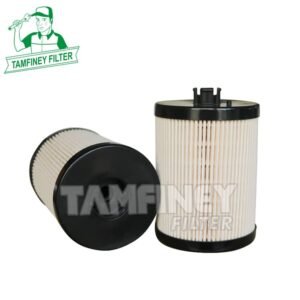
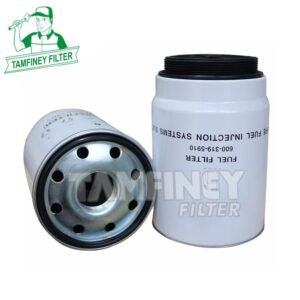
Professional Volvo Truck Fuel Water Separator Flter 21380475 21380521 21764966 21017305 20879806
Your Best Volvo Truck Fuel Water Separator Flter 21380475 21380521 21764966 21017305 20879806 Fuel Filter manufacturer in China.
VOLVO 21380475 20879806 21380479 21144898 21764966 20863191
MACK-21017305 ,21380521 21380472 NISSAN 16400-9Z00C 52211-44898 UD 5221380479 SAKURA SFC-24020



| Fuel Filter 21380475 21380521 21764966 21017305 20879806 Parameter: | |
| Part Number | 21380475 21380521 21764966 21017305 20879806 |
| Brand | Tamfiney |
| Weight | 780g |
| Height | 128mm |
| Outer Diameter | 108mm |
| Inner Diameter/ Thread Size |
1-14 3 3/4-10 BUTT |
| Minimum Order | 100 PCS |
| Place of Region: | Zhejiang, China |
| Payment Terms: | T/T |
| Price Terms: | FOB |
| Lead Time: | 30 to 50 days based on order quantities |
| Market Type: | After Market |
| Current Export Market: | Southeast Asian,North America, South America, Western Europe, Eastern Europe, Africa, Oceania |
Applications:
RENAULT VI KERAX 380 DXIKERAX 430 DXIKERAX 450 DXIKERAX 460 DXIKERAX 460 DXIKERAX 480 DXIKERAX 490 DXIKERAX 500 DXIKERAX 520 DXI
SHAHAB KHODRO BUS
VOLVO FMX 13-330FMX 13-370FMX 13-380FMX 13-410FMX 13-420FMX 13-450FMX 13-460FMX 13-500
Professional Volvo Truck Fuel Water Separator Flter 21380475 21380521 21764966 21017305 20879806
Q: What does 21380475 do?
The core function of Volvo fuel filter model 21380475 is to separate water from fuel. It ensures fuel purity before entering the engine. This improves combustion efficiency and protects the fuel system. Additionally, it helps extend engine life.
Fuel can mix with moisture during storage or transportation. Such moisture leads to incomplete combustion. It reduces engine power and causes corrosion. Corrosion affects fuel injectors and high-pressure fuel pumps.
The oil-water separator removes moisture effectively. It filters out impurities first. Then, it separates emulsified oil-water through demulsification. Finally, it discharges water using the filter element's water-repellent properties. This process lets pure fuel enter the engine. It reduces failure risks significantly.
In terms of working principle, fuel passes through the filter element. The element intercepts impurities during this stage. Next, oil-water separation occurs in the demulsification layer. Moisture is discharged due to the filter's water-repellent nature. Dry fuel is then output for engine use. This ensures stable operation and efficient combustion.
Q: How does a diesel fuel water separator work?
The fuel water separator mainly uses the density difference between fuel and water for separation. The core principle is gravity settling, which means that the density difference between water and diesel (water density is about 1g/cm ³, diesel density is about 0.85g/cm ³) causes water to sink and fuel to float, thereby achieving layered separation.
The working process mainly includes steps such as pretreatment, separation, and automatic control: the water containing diesel first passes through the pretreatment chamber, and the internal filter screen intercepts large particles of impurities such as sediment or rust debris; Subsequently, it enters the fuel separation chamber and undergoes initial stratification under the influence of gravity. Water droplets sink due to their high density, while fuel droplets rise due to their low density; The separated aqueous phase is discharged after meeting the standard (fuel content ≤ 15mg/L), while the fuel phase is collected.
To improve efficiency, equipment often integrates intelligent components: liquid level sensors monitor the thickness of the fuel layer in real time, and when the threshold is reached, the fuel scraping device, heating tube (to prevent low-temperature solidification), and slag discharge system are automatically activated, achieving unmanned operation; Some designs also use corrugated plate coalescers or fiber coalescers to promote the coalescence of small fuel droplets into large fuel droplets, accelerating their ascent.
This separation can effectively protect the engine: removing moisture can reduce the risk of fuel injector wear, extend the life of high-pressure common rail engines, and meet the requirements of national third class emission standards for fuel cleanliness.
Q: How often should I drain the water from the filter?
There is no fixed standard for the drainage frequency of automotive fuel water filters (usually referring to fuel water separators), and it needs to be flexibly judged based on various factors. It is generally recommended to check the accumulation of water every 2000 kilometers of driving. If there is a lot of water, it needs to be manually drained.
The timing of drainage mainly depends on the following factors: firstly, the use of vehicles is crucial. For example, vehicles that travel long distances or are frequently used may need to have their drainage checked daily, while commuting vehicles can reduce their frequency appropriately; Secondly, seasonal changes have a significant impact. In winter, more frequent drainage is needed to prevent icing (such as 1-2 times a day), and the frequency should also be increased during high temperature seasons; In addition, areas with high diesel quality and environmental humidity (such as humid climates) will accelerate water accumulation and require more frequent maintenance; Finally, the vehicle indicator system should immediately drain the water when the high water level alarm or filter malfunction light is on.
Attention should be paid during operation: if there is a lot of dirt on the inner wall of the separator after drainage, it can be washed with clean water to avoid oxidation; At the same time, as a vulnerable component, it is recommended to inspect or replace the fuel water separator every 20000 kilometers, and the specific cycle needs to be adjusted according to the actual usage conditions.