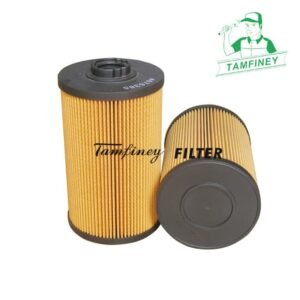

| Fuel Filter 20998367 FS19704 WK940/33X Parameter: | |
| Part Number | 20998367 FS19704 WK940/33X |
| Brand | Tamfiney |
| Weight | 670g |
| Height | 140 mm |
| Outer Diameter | 93 mm |
| Inner Diameter/ Thread Size | 1-14 |
| Minimum Order | 100 PCS |
| Place of Region: | Zhejiang, China |
| Payment Terms: | T/T |
| Price Terms: | FOB |
| Lead Time: | 30 to 50 days based on order quantities |
| Market Type: | After Market |
| Current Export Market: | Southeast Asian,North America, South America, Western Europe, Eastern Europe, Africa, Oceania |
Application:
RENAULT TRUCKS DEFENSE VBCI
RENAULT VI AE 440 DXI MAGNUMAE 460 DXI MAGNUMAE 480 DXI DXIPREMIUM HR 330 HR 460 DXIPRENIUM II 410.26
SANDVIK LH 410LH 410LH 410TORO TH 551 IUH 440 IUJ 440 I
SANY PQ 190 III ASRSC 45H1
SDMO R 110 KR 165 KR 200 KR 220 KR 300 C2R 330 KR 365R 450 C 2R 450 C 3R 450 C 3R 550 C3R 700 C 2R 700 C 2R 90V 400 KV 500 KV 550 K ATLANTICV 630 C2V 630 KV 700 C2 C 500-440C 500-480C 500-500R 460R 500-440R 500-480R 500-500
VOLVO 750077007700 HYBRID8500 TX8500 TX8700 TX8700 TX9700 TX9700 TX9700 TX9700 TX9700 TX9700 TX9700 GEVN 630VN 670VN 780
VOLVO-PENTA MARINE TAD 1171 VETAD 941 GE
Professional Volvo D13 20998367 Fuel Water Separator FS19704 WK940/33X
Q: What causes dark, black fuel in the filter?
The black color in the fuel filter does not come from fuel breaking down. Instead, the filter element captures many impurities and deposits. This is a common filtering result. Several factors explain this issue.
First, dirt can enter from the bottom of the fuel tank. When fuel runs low or the tank empties, the pump often pulls in dirt, rust, and dust. These particles settle at the tank’s bottom over time. Afterward, the filter traps these impurities, turning it black.
Next, old fuel oxidizes and forms gum. Storing fuel for a long time causes it to break down. This process leaves behind black sediment. Furthermore, poor-quality fuel contains much gum. That gum can quickly turn the filter black as well.
Sometimes, engine carbon buildup enters the fuel line. An engine that does not burn fuel well can make lots of carbon. Some particles move into the fuel system during gas circulation or maintenance. However, most of the mess still comes from inside the fuel tank.
Moreover, strong cleaning agents can trigger black deposits. Powerful fuel additives dissolve sludge and old carbon on the tank walls. The filter then collects more black substances very quickly.
Note the difference: the black filter means the element trapped dirt. It does not mean the fuel inside shifts to black. Still, if the filter’s color shifts to pure black or reddish brown, watch for trouble. Reduced power or hard starts signal major filter blockage. Replace a severely dirty filter right away.
Also, check your fuel filter every 10,000 to 30,000 kilometers. The interval depends on your fuel’s quality. Regular checks help prevent future engine problems.
Q: How do I buy the correct OEM fuel filter?
The core of purchasing the correct original fuel filter lies in accurately matching the vehicle model information and verifying the authenticity of the channel. The specific steps are as follows:
1. Lock the only compatible model
Check physical parameters: If comparing old parts, it is necessary to confirm the diameter of the inlet and outlet, thread specifications, sealing ring position, and installation height. It is strictly prohibited to install based solely on "approximate similarity".
2. Identify the characteristics of genuine products from the original factory
• Packaging label: The original packaging is printed clearly, with the brand logo, original part number, production date, and batch code printed on it. Check if the anti-counterfeiting label can be scanned and verified, and if there are no traces of secondary packaging on the packaging.
• Product details: The genuine filter cartridge shell is finely crafted and free of burrs; The rubber sealing ring is soft and elastic, without hardening cracks; The metal interface coating is uniform and shows no signs of rust.
3. Choose reliable purchasing channels
• Official authorized channels: Priority should be given to choosing the brand's official website mall, Tmall/JD's official flagship store, or offline 4S store parts department. These channels have traceable sources of goods and guaranteed after-sales service.
• Avoid the low price trap: The cost of original parts is transparent. If the price is significantly lower than the market average (such as less than 50% off), it is highly likely to be a counterfeit product.
4. Key avoidance tips
Be wary of "universal" promotion: The fuel system requires extremely high pressure accuracy, and do not purchase non original parts labeled as "universal for multiple vehicle models". Minor interface errors can lead to oil leakage or insufficient fuel supply.
Pay attention to the production date: Rubber seals will age over time, so avoid purchasing products with inventory exceeding 2 years to ensure sealing performance.
Special requirements for diesel vehicles: Diesel vehicles require additional confirmation of whether they are equipped with oil-water separators and heating functions, which must be completely consistent with the original vehicle system.
Q: What does a pre filter remove?
There is no standard component commonly referred to as a "pre-filter" in vehicles; in the fuel system, it refers to the oil-water separator (coarse filter)
Fuel system pre-filter (typically referring to fuel water separator)
It is primarily installed before the fuel pump and serves the core function of protecting the high-pressure fuel injection system.
• Moisture: Utilize density differences to separate and settle free water in fuel, preventing freezing or corrosion of precision components.
• Large particulate impurities: Trap solid particles (such as rust, dust, and gum) with diameters typically exceeding 5 microns to prevent clogging of fuel injectors.
Partial emulsified fuel: Preliminary separation of water and impurities mixed in the fuel.