Get a Free Quote
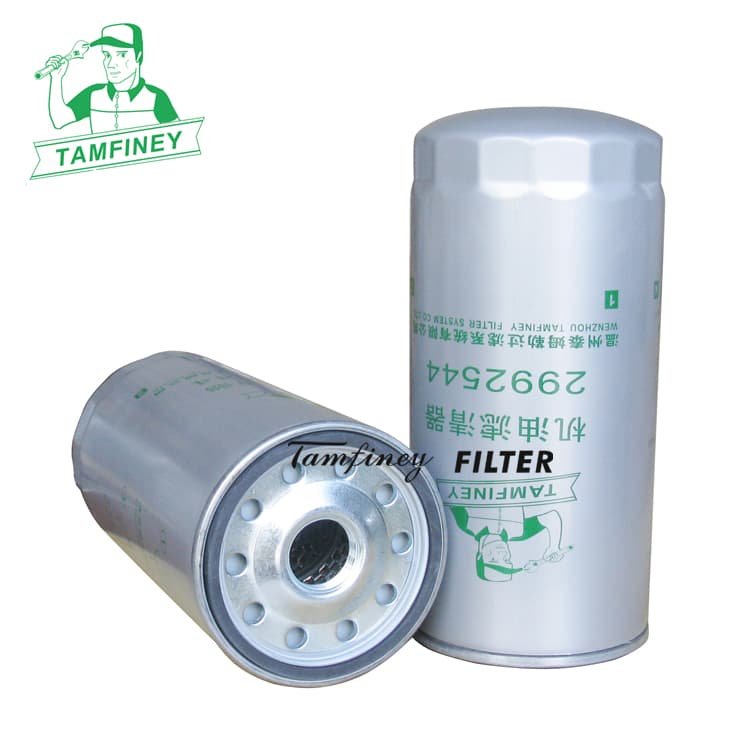
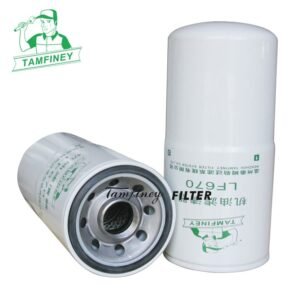
Renault Oil Filter P550639 B7174-MPG 99445200 C-7987 5802037413
Your Best Renault Oil Filter P550639 B7174-MPG 99445200 C-7987 5802037413 Oil filter manufacturer in China.
DONALDSON P550639 IVECO 504026056 2997141 99445200 504082382 299 2544 NEW HOLLAND 1931099 RENAULT 5001863139 5001858099 5802037413 BALDWIN-B7174-MPG Sakura C-7987


| Oil Filter P550639 B7174-MPG 99445200 C-7987 5802037413 Parameter: | |
| Part Number | P550639 B7174-MPG 99445200 C-7987 5802037413 |
| Brand | Tamfiney |
| Weight | 968 g |
| Height | 227 mm |
| Outer Diameter | 113 mm |
| Inner Diameter/ Thread Size |
M30 X 2 |
| Minimum Order | 100 PCS |
| Place of Region: | Zhejiang, China |
| Payment Terms: | T/T |
| Price Terms: | FOB |
| Lead Time: | 30 to 50 days based on order quantities |
| Market Type: | After Market |
| Current Export Market: | North America, South America, Western Europe, Eastern Europe, Africa, Oceania |
What vehicles does P550639 fit:
PEZZOLATO 1000/1000
RENAULT VI AGORAAGORAAXER 12AXER 12AXER 12.8AXER 12.8
ROLBA R 1500
Premium Renault Oil Filter P550639 B7174-MPG 99445200 C-7987 5802037413
Q: Are aftermarket filters okay for Renault?
Renault's aftermarket filters are completely reliable, especially if you pursue cost-effectiveness, choosing well-known third-party brands or Chinese brands with good cost-effectiveness filters is also the best choice to ensure long-term stable operation of the vehicle. But make sure it is clearly labeled as compatible with your Renault model.
Q: How do you change a Renault oil filter P550639?
1. Preparation work:
Hot car: Start the engine and let it run for a few minutes until it reaches normal operating temperature, which helps the old oil flow out more smoothly.
Tools and materials: Prepare a new oil filter (please confirm the model), sufficient new oil, oil filter wrench, waste oil collection basin, gloves, wrench (for draining oil plugs), and a clean cloth.
Safety: Park the vehicle on a flat surface and tighten the handbrake. If necessary, use a jack to lift the front of the vehicle and secure it with a safety bracket.
2. Discharge old engine oil:
a.Find the drain plug on the engine oil pan.
b.Place the waste oil basin under the drain plug.
c.Use a wrench to loosen the drain plug counterclockwise, completely unscrew it, and allow the old engine oil to flow completely. During this process, the engine oil filler cap can be opened to accelerate the oil discharge speed.
3. Disassemble the old oil filter:
a. When the old oil discharge is nearing completion, locate the position of the oil filter (usually located on the side or bottom of the engine).
b. Use an oil filter wrench to loosen the old filter counterclockwise. Due to the possibility of a small amount of engine oil remaining in the filter, please be careful when disassembling to avoid burns or dirtying the environment.
c. Remove the old filter and check if its sealing ring is completely left on the engine mounting seat. If the sealing ring remains on the seat, it must be thoroughly cleaned, otherwise it may cause oil leakage after the installation of the new filter.
4. Install a new oil filter:
Key step: Apply a clean layer of new engine oil evenly on the rubber sealing ring of the new oil filter. This step is crucial to effectively prevent dry friction during startup and ensure good sealing to avoid oil leakage.
Align the new filter with the mounting seat and tighten it clockwise by hand. After the sealing ring of the filter contacts the installation surface, use a wrench to tighten it about 3/4 turn (about 270 degrees). Do not overtighten to avoid damaging the sealing ring or filter housing.
5. Recovery and Inspection:
I. Clean the drain plug and tighten it again to the specified torque (e.g. 30Nm).
II. Add the specified model and quantity of new engine oil to the engine.
III. Start the engine and let it idle for a few minutes, then check for any leaks at the new oil filter and drain plug.
IIII. Turn off the engine, wait for a few minutes, check the oil level again, and replenish as needed.
Notes:
The engine oil and oil filter should be replaced simultaneously to ensure optimal lubrication and protection of the engine.
Please use original or reliable oil filters that match your Renault model.
Used engine oil and filters are hazardous waste. Please send them to a professional recycling point for disposal and do not dump them at will.
Q: How many microns is a good oil filter?
The filtration accuracy of a good oil filter does not have a unified fixed value, it depends on the vehicle type, engine performance, and filter design. Overall, the mainstream filtering accuracy range is concentrated between 10 microns and 30 microns, but different car models have different requirements.
• Ordinary household cars: Most daily use cars are equipped with medium precision filters, with a filtration accuracy typically between 10-25 microns. This range can effectively intercept harmful particles such as metal shavings and dust while ensuring smooth oil flow, balancing filtration efficiency and cost.
• Turbocharged engine: Due to higher working pressure and stricter requirements for fuel and oil cleanliness, it is recommended to use higher precision filter elements, generally between 5-20 microns.
• High performance or heavy-duty vehicles: To cope with stronger engine conditions and more impurities, filter cartridges with 25-50 microns or even higher precision may be required to provide more detailed protection.
• Light vehicles and motorcycles: The engine load is relatively low, and a low precision filter of 5-10 microns is usually used to meet basic needs.
It is worth noting that the higher the filtering accuracy, the better. Excessive precision (such as less than 5 microns) can significantly increase oil flow resistance, which may lead to premature clogging of the filter element and even trigger the bypass valve, allowing unfiltered oil to enter the engine directly, thereby affecting the protective effect. Therefore, choosing a filtering accuracy that matches the recommendations of the vehicle manufacturer is the key to a "good" filter.