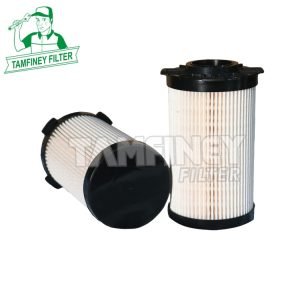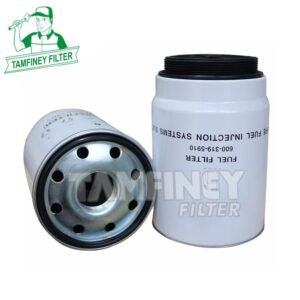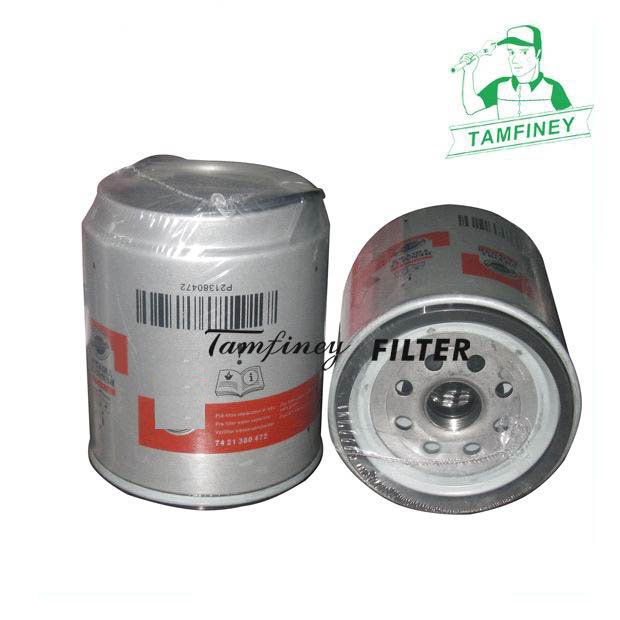



| Fuel Filter FS19966 P551838 BF1386-O P954895 H392WK 7421380472 Parameter: | |
| Part Number | FS19966 P551838 BF1386-O P954895 H392WK 7421380472 |
| Brand | Tamfiney |
| Weight | 780g |
| Height | 128mm |
| Outer Diameter | 108mm |
| Inner Diameter/ Thread Size |
1-14 3 3/4-10 BUTT |
| Minimum Order | 100 PCS |
| Place of Region: | Zhejiang, China |
| Payment Terms: | T/T |
| Price Terms: | FOB |
| Lead Time: | 30 to 50 days based on order quantities |
| Market Type: | After Market |
| Current Export Market: | Southeast Asian,North America, South America, Western Europe, Eastern Europe, Africa, Oceania |
Applications:
RENAULT VI KERAX 380 DXIKERAX 430 DXIKERAX 450 DXIKERAX 460 DXIKERAX 460 DXIKERAX 480 DXIKERAX 490 DXIKERAX 500 DXIKERAX 520 DXI
SHAHAB KHODRO BUS
VOLVO FMX 13-330FMX 13-370FMX 13-380FMX 13-410FMX 13-420FMX 13-450FMX 13-460FMX 13-500
Professional Renault Fuel Filter FS19966 Cross Reference P551838 BF1386-O P954895 H392WK 7421380472
Q: What is the cross reference for FS19966?
RENAULT 7421380472 7420998346 7421764968
VOLVO 21380475 20879806 21380479 21144898 21764966 20863191
MACK-21017305 ,21380521 21380472
FLEETGUARD-FS19918 ,FS19966 FS20082 ; FRAM-PS10678
DONALDSON P551838 P550913 P559648 P954895 MANN WK 10 006 z ,WK 11019 Z Mahle KC491D BALDWIN BF1386-O RACOR R60RD, R60RDRCR01, Schupp SF SK3031/2, Hengst H392WK NISSAN 16400-9Z00C 52211-44898
UD 5221380479
SAKURA SFC-24020
Q: How to change renault fuel filter?
Safety preparation and environmental requirements: First, turn off the vehicle and park it on a solid, flat surface. This prevents movement or tilting during operation. For safety, disconnect the battery's negative terminal or remove the fuel pump fuse. Doing this reduces fuel system pressure and stops fuel splashing during disassembly. Prepare tools like an oil cup, sealant, oil pipe clamp, wrench, and screwdriver. Wear protective gloves and goggles to avoid fuel contact with skin or eyes.
Release fuel system pressure: The key step is releasing pressure to cut leakage risks. You can achieve this by disconnecting the fuel pump fuse and starting the engine. Let the remaining fuel in the pipeline run out until the engine turns off. Alternatively, loosen the valve cover to release pressure.
Positioning and removal of old filters: Renault fuel filters are usually in the engine compartment near the fuel tank or under the chassis. If the location is hidden, use a jack to lift the vehicle for operation. Place an oil cup under the filter before loosening the fixing bolt or clamp. Carefully disconnect the fuel line to prevent damage. After removing the old filter, compare its model with the new one to ensure compatibility.
Installation and inspection of new filter: When installing a new filter, focus on arrow markings to ensure correct direction. Typically, the arrow points toward the engine. Install the new filter in place and tighten fixing bolts or clamps. Reconnect the fuel delivery pipe and use clamps to seal the interface. Finally, plug back the fuel pump fuse or reconnect the battery's negative terminal. Start the engine and check for leaks at connections. If everything is normal, slowly lower the vehicle and complete the replacement.
Q: Why is water in diesel fuel a problem?
Moisture in diesel is a serious issue as it can directly lead to decreased engine performance, component damage, and operational failures.
Moisture can significantly affect combustion efficiency and damage critical components. Due to the non flammability of water, it cannot participate in combustion in the combustion chamber, resulting in uneven mixing of fuel and air, leading to incomplete combustion. Specifically, this is manifested as a decrease in engine power, an increase in fuel consumption, and excessive emissions. In severe cases, it may cause difficulty or inability to start cold start; At the same time, moisture can corrode metal components such as valves and pistons, accelerate wear, and react with fuel components to produce acidic substances and gum, further exacerbating corrosion; In addition, moisture may condense at the fuel filter and fuel injectors, causing blockages, affecting fuel supply, and even leading to oil emulsification, causing the oil to lose its lubricating effect and increasing the risk of engine wear.
Water sources are diverse and need to be managed through prevention and timely treatment. Moisture may come from cracks in fuel storage containers or pipelines, rainwater mixed in during refueling, or damage to engine components such as water blocking rings and cylinder liners causing cooling water to seep in; To reduce risks, it is necessary to regularly inspect the oil-water separator, replace the fuel filter, and choose a reputable gas station for refueling.