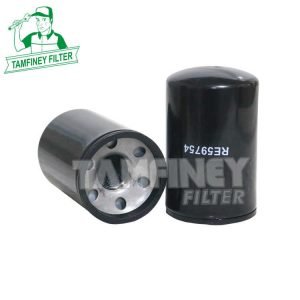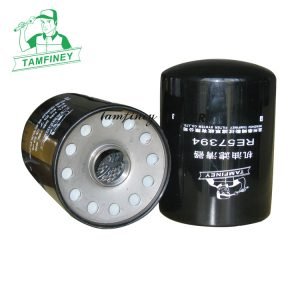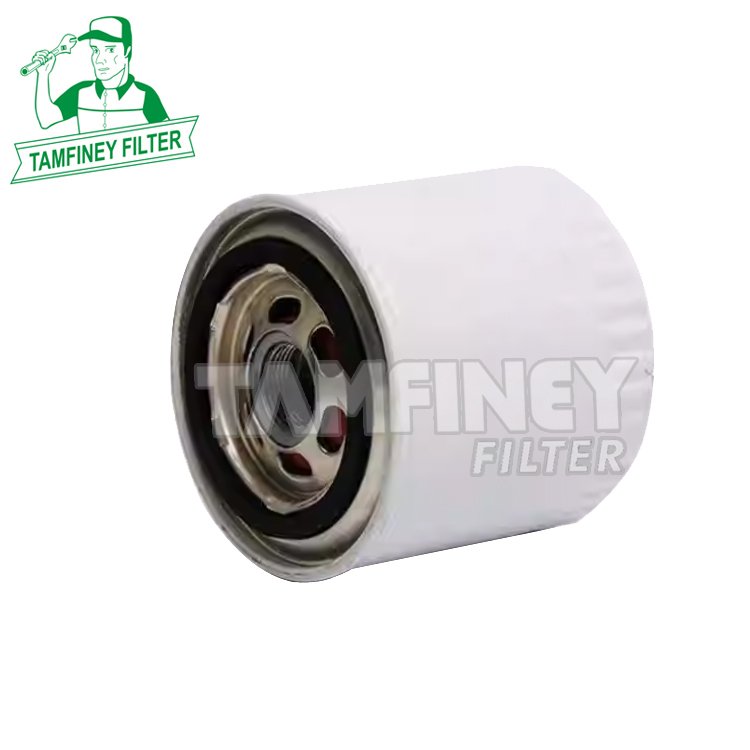



| Oil Filter 04892339AB 4892339AB 04884899AB MO-090 Parameter: | |
| Part Number | 04892339AB 4892339AB 04884899AB MO-090 |
| Brand | Tamfiney |
| Height | 100 MM |
| Outer Diameter | 93 MM |
| Inner Diameter/Thread Size | M22 x 1.5 |
| Minimum Order | 100 PCS |
| Place of Region: | Zhejiang, China |
| Payment Terms: | T/T |
| Price Terms: | FOB |
| Lead Time: | 30 to 50 days based on order quantities |
| Market Type: | After Market |
| Current Export Market: | North America, South America, Western Europe, Eastern Europe, Africa, Oceania |
What does the Mopar 04892339AB fit?
DODGE AVENGER 2,7CHALLENGER 5,7 COUPECHALLENGER 6,4 COUPECHALLENGER 6,4 SRT8 COUPECHALLENGER 6,4 SRT8 COUPECHARGER 6,2 SRT HELLCATCHARGER 6,4 SRT8CHARGER 6,4 SRT8JOURNEY 2,7
FORD COUGAR 2,5 ST 200COUGAR 2,5 V6 24VEXPEDITION 5.4 305EXPLORER 4,0 V6EXPLORER 4,6 V8EXPLORER 4,6 V8F 150 4,6 24V 4WD STD CAB PICKUPF 150 5,4 V8 LIGHTNINGF 150 5,4 V8 SUPERCREWF 150 5,4 V8 SVT LIGHTNINGF 150 6,2F 150 6,2 4X4F 150 6,2 SVT RAPTOR 4WD EXTEND CAB PICKUPF 350 6,2 V8 SUPER DUTY
Professional Ram 3500 Oil Filter 04892339AB 4892339AB 04884899AB MO-090
Q: Is 04892339AB the same as 4892339AA?
Yes, 04892339AB often replaces earlier part numbers like 4892339AA and 4884900AB. Some sellers also list it as 4892339BE.
Q: Which is better synthetic or cellulose oil filter?
When comparing synthetic and cellulose oil filters, judge them across five key aspects.
Filtering Accuracy
Synthetic fiber filters have finer pores, boasting 1-5 micron filtration accuracy. They catch tiny engine impurities far more efficiently than cellulose alternatives.
Cellulose filters feature looser fibers, with accuracy ranging from 10 to 30 microns. They struggle to trap small particles that synthetic filters handle with ease.
Durability and Lifespan
Synthetic fiber filters have a sturdier, more robust internal structure. They resist high temperatures, corrosion, and edge peeling effectively. Their longer service life suits extended vehicle maintenance cycles perfectly.
Cellulose filters warp or damage easily under high heat and humid conditions. They demand far more frequent replacements than synthetic fiber options.
Cost
Synthetic fiber filters carry a higher upfront price tag for buyers. Their long lifespan and low replacement frequency boost overall cost-effectiveness.
Cellulose filters have a lower initial cost that appeals to budget-focused users. Frequent replacements push their long-term usage cost higher over time.
Scenario Adaptability
Pair fully synthetic engine oil with synthetic fiber filters for best results. This matches the oil’s long-lasting 10,000 km or 12-month cycle. It prevents ordinary cellulose filters from failing prematurely.
Cellulose filters work for mineral oil or short city commutes. Remember to replace them strictly every 5,000-8,000 km for optimal performance.
Q: How to choose an oil filter?
Selecting an oil filter requires a comprehensive consideration of multiple dimensions, including compatibility, filtration performance, structural design, and material craftsmanship, to ensure effective protection of the engine.
• Model compatibility is a prerequisite: It must match the vehicle's engine model, mounting interface, and fuel system structure; otherwise, it may lead to oil leakage or installation failure.
• The filtration accuracy must match the engine type:
For conventional naturally aspirated engines: a filtration precision of 20–40 microns is sufficient;
Turbocharged engine: Due to high operating temperatures and high RPMs, it is recommended to use a high-precision filter with a 5–20 micron rating.
• The critical function of valves must not be overlooked:
Check valve: Prevents oil backflow after shutdown to avoid dry grinding during cold starts;
Bypass valve: Opens when the filter element is clogged to ensure oil flow and prevent damage from oil shortage.
The bypass valve opening pressure is typically 0.8–2.5 bar and must match the manufacturer's settings.
• Appearance and craftsmanship details reflect quality:
The housing is thick and sturdy, with neat solder joints;
The rubber ring is soft, elastic, and free of cracks;
The check valve/by-pass valve has a sturdy structure, and the spring retracts normally.