
Get a Free Quote
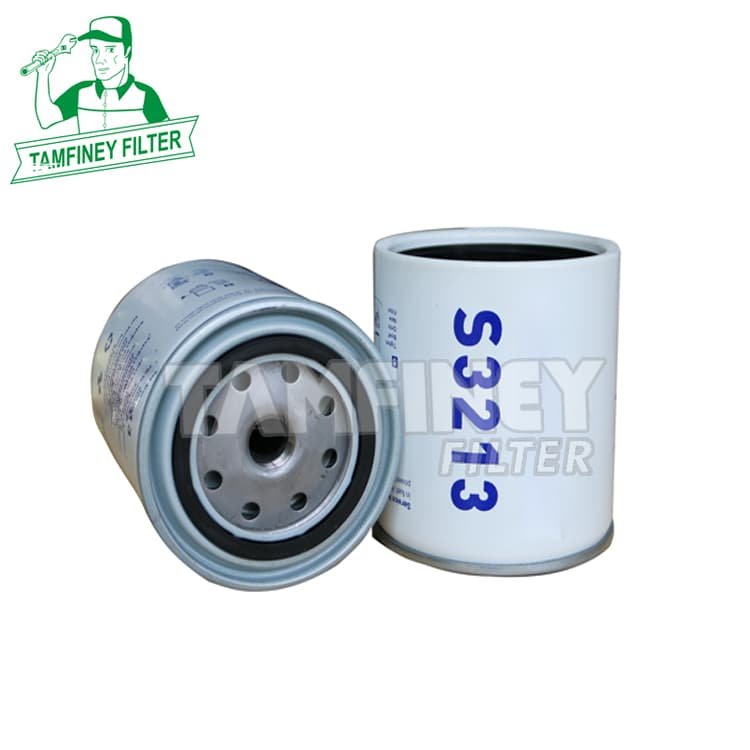
Professional Racor S3213 Fuel Filter 18-7919 S3220UL 35-809097 35-809101 Cross Reference
Your best Racor S3213 Fuel Filter 18-7919 S3220UL 35-809097 35-809101 Cross Reference Fuel filter manufacturer in China.
SEIRRA 18-7919 MERCURY 35-60494-1 VOLVO 855686-2 DONALDSON J8620213 MERCRUISER 35-809097 35-8M0103095 35-809101
BALDWIN BF791-O Alco SP-1415, Quicksilver C35604941 35604941, Racor S3213, S3220UL


| Fuel Filter S3213 18-7919 S3220UL 35-809097 35-809101 Parameter: | |
| Part Number | S3213 18-7919 S3220UL 35-809097 35-809101 |
| Brand | Tamfiney |
| Weight | 540 g |
| Height | 102 mm |
| Outer Diameter | 97 mm |
| Inner Diameter/ Thread Size |
11/16-16 3 1/4-10 |
| Minimum Order | 100 PCS |
| Place of Region: | Zhejiang, China |
| Payment Terms: | T/T |
| Price Terms: | FOB |
| Lead Time: | 30 to 50 days based on order quantities |
| Market Type: | After Market |
| Current Export Market: | Southeast Asian,North America, South America, Western Europe, Eastern Europe, Africa, Oceania |
Applications:
- MERCRUISER DIVERS
- Yamaha
- Suzuki
- Volvo Penta
- OMC
- Honda
- Tohatsu
Professional Racor S3213 Fuel Filter 18-7919 S3220UL 35-809097 35-809101 Cross Reference
Q: What does the S3213 fuel filter do?
The S3213 fuel filter plays a vital role in the engine fuel system. Its main job is to remove solid impurities like iron oxide, dust, and gum from fuel. It also filters out moisture to protect precision parts and keep the engine running smoothly.
Specifically, the fuel filter catches impurities to stop fuel system blockages. This prevents impurities from building up in the fuel injector, which could hurt fuel injection accuracy and atomization. Additionally, it cuts down wear on parts such as the fuel pump, cylinder liner, and piston ring. This action helps extend the engine's lifespan.
Furthermore, clean fuel after filtering supports more complete combustion. As a result, fuel economy improves, and exhaust emissions decrease.
Q: How often should the S3213 fuel filter be replaced?
The replacement cycle of S3213 fuel filters usually depends on factors such as mileage, service life, and vehicle operating environment.
General recommendation: Under normal usage conditions, the replacement cycle of S3213 fuel filters is usually around every 30000 kilometers or three years, with a common range between 20000 and 80000 kilometers. For example, external filters are usually recommended to be replaced after 20000 to 30000 kilometers, while internal filters may be extended to 40000 to 80000 kilometers.
Influencing factors: If the fuel quality is poor (such as high impurity content), it is recommended to shorten the cycle to replace it every 20000 kilometers to avoid fuel blockage; On the contrary, with excellent oil quality and good maintenance, the cycle can be appropriately extended to 70000 to 80000 kilometers, but generally not exceeding 100000 kilometers.
Attention: When replacing, choose a qualified filter. Poor quality products may cause abnormal oil pressure or damage to engine components.
Q: What happens if I don't change the S3213 fuel filter?
The fuel filter is a critical component of the automotive fuel system, responsible for filtering impurities and moisture from gasoline to ensure the cleanliness of the fuel entering the engine. If the S3213 fuel filter is not replaced, it will cause a series of chain failures, affecting vehicle performance and lifespan.
Fuel flow obstruction and engine performance decline: After long-term use, the filter will be clogged due to the accumulation of impurities, resulting in fuel flow obstruction and a decrease in fuel supply pressure. This is directly manifested as a decrease in engine power, difficulty starting, idle shaking, insufficient power during acceleration, and in severe cases, it may cause stalling or inability to start.
Reduced combustion efficiency and emission issues: Insufficient fuel supply can lead to poor fuel atomization, imbalanced mixture ratio, and insufficient combustion. This not only increases fuel consumption, but also generates carbon deposits, exacerbates the blockage of the three-way catalytic converter, pollutes spark plugs and oxygen sensors, resulting in excessive emissions, which may affect vehicle annual inspections.
Risk of damage to fuel system components: clogged filters can increase the load on the gasoline pump, which may cause overheating or damage in the long run; At the same time, impurities entering precision components such as fuel injectors may cause blockages or poor actuation, further exacerbating fuel supply issues and power decline.
Potential leakage and safety hazards: Aging of the filter housing or damage to the sealing gasket may cause oil leakage or seepage, affecting the stability of fuel supply and even posing safety hazards.
Shortened engine life: If impurities break through the failed filter and enter the interior of the engine, they will accelerate the wear of components such as cylinders and pistons, and even cause strains, significantly shortening the engine life.


