Get a Free Quote
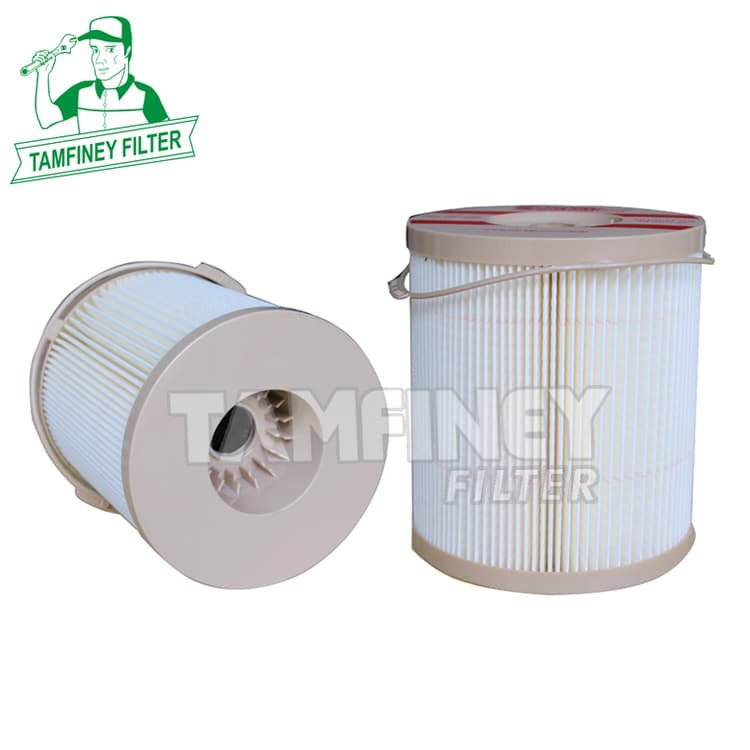
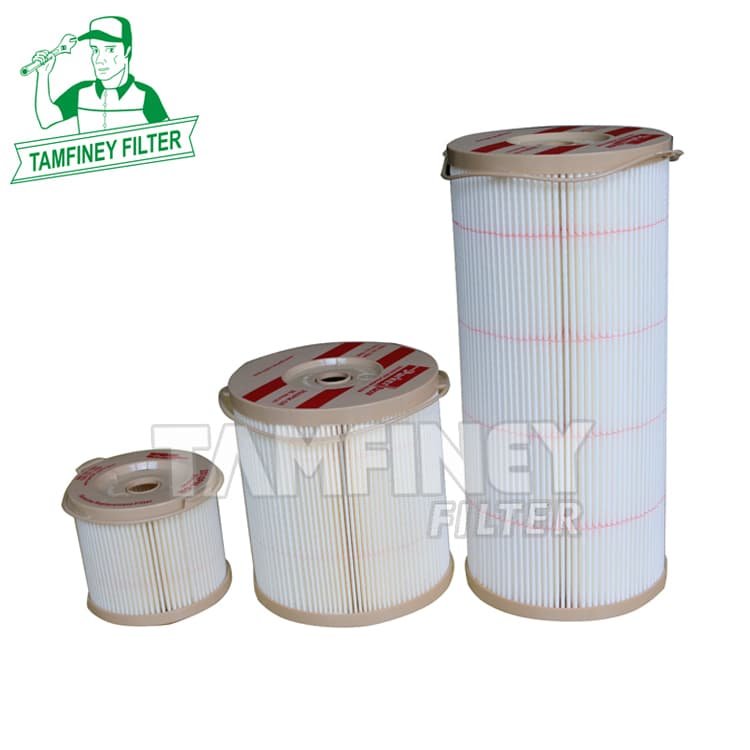
Professional Racor 30 Micron Fuel Filter 2040PM 2040PM-OR FS1207 PF7889-30 PF589 SF-1913-30
Your Best Racor 30 Micron Fuel Filter 2040PM 2040PM-OR FS1207 PF7889-30 PF589 SF-1913-30 Fuel filter manufacturer in China.
Racor 2040PM 2040PM-OR FS1207 PF7889-30 PF589 SF-1913-30 2040SM-0R ,900FG SANDVIK-69008945; RANDON-218001819 ; SCANIA-1675795 VOLVO-3825027 ,3838852 ,8125469 ,14622355 3827507 889419 3827507 3827508 889421; 889422; VOE3838852 3831225 3827278 846734



| Fuel Filter 2040PM 2040PM-OR FS1207 PF7889-30 PF589 SF-1913-30 Parameter: | |
| Part Number | 2040PM 2040PM-OR FS1207 PF7889-30 PF589 SF-1913-30 |
| Brand | Tamfiney |
| Weight | 268 g |
| Height | 117 mm |
| Outer Diameter | 116 mm |
| Inner Diameter/ Thread Size |
|
| Minimum Order | 100 PCS |
| Place of Region: | Zhejiang, China |
| Payment Terms: | T/T |
| Price Terms: | FOB |
| Lead Time: | 30 to 50 days based on order quantities |
| Market Type: | After Market |
| Current Export Market: | Southeast Asian,North America, South America, Western Europe, Eastern Europe, Africa, Oceania |
Applications:
ATLAS COPCO QAC 1350 ST5QAC 1350 Twin PowerQAC 1350 Twin PowerQAS+ 250 SD S5QAS+ 325 SD S5QAS+ 450 SD S5QAS 5 660V 1200XAHS 237 CDXAHS 306XAHS 347XAHS 347XAHS 447XAMS 287 CDXAMS 407 CDXATS 377XATS 487 CDXAVS 237XAVS 307 CDXAVS 396 CDXRVS 336 CD
BAUDOUIN TI 450 V6
CLAAS JAGUAR 830JAGUAR 830JAGUAR 850JAGUAR 850JAGUAR 870JAGUAR 870JAGUAR 870JAGUAR 890JAGUAR 890JAGUAR 900JAGUAR 930JAGUAR 940JAGUAR 950JAGUAR 960JAGUAR 960JAGUAR 970JAGUAR 970JAGUAR 980JAGUAR 980LEXION 600LEXION 600 TERRATRACMEGA 350MEGA 360MEGA 370MEGA II 203MEGA II 204MEGA II 208MEGA II 218TUCANO 320TUCANO 330TUCANO 340TUCANO 430TUCANO 440TUCANO 450TUCANO 450TUCANO 470TUCANO 470 APSXERION 4500
JOHN DEERE 6135 RG
LANMAR GRPE ELECTROGENE
RIVARD 300 TC 150300 TC 150400 TR 250500 TR 250RIV 300TR 200
SANDVIK LH 410
VOLVO-PENTA MARINE TAD 1630
YAMAHA MARINE DIVERS
Professional Racor 30 Micron Fuel Filter 2040PM 2040PM-OR FS1207 PF7889-30 PF589 SF-1913-30
Q: What is the micron rating of the Racor fuel filter?
The micron rating of RACOR fuel filters varies depending on the specific model and application scenario, with common options including 2 microns, 10 microns, and 30 microns.
The 10 micron rating is suitable for protecting individual filter systems or as a pre filter to protect downstream equipment, while the 30 micron rating is typically used for direct addition to existing filtration systems; 2 microns is secondary filtration; When there is no additional downstream filtration, the 10 micron or 30 micron level should be selected according to system requirements to ensure effective impurity filtration.
Q: How many microns is a good fuel filter?
The filtration accuracy of a good fuel filter is not a fixed value, but is determined based on factors such as vehicle type, engine design, and fuel system requirements, typically ranging from 1 micron to 75 microns.
Reference for filtration accuracy of common car models: The filtration accuracy of fuel filters in ordinary family sedans (such as those equipped with naturally aspirated engines) is mostly around 20 microns, for example, economical car models often have a filtration accuracy of 30 microns, which can effectively filter out larger impurities such as rust and dust, balancing the filtration effect with fuel flow; High performance cars or turbocharged engines have stricter requirements, and the filtration accuracy usually needs to reach 5-20 microns, commonly 10 microns or lower, to protect the precision fuel injection system; Diesel engines (especially high-pressure common rail systems) are sensitive to impurities and moisture, with a filtration accuracy of generally 1-10 microns. Some high-end models require a filtration accuracy of less than 1 micron to prevent wear of high-pressure components.
The selection of filtration accuracy should take into account both filtration efficiency and system compatibility: although high accuracy can intercept smaller particles, it may increase the risk of fuel pressure drop and affect fuel supply stability; Low precision cannot fully protect precision components. Therefore, the actual selection should strictly follow the recommended standards of the vehicle manufacturer, regularly replace the filter to maintain fuel system cleanliness and engine life.
Q: Which is better, 2 micron or 30 micron?
The filtration precision of the fuel filter (measured in micrometers) determines the size of impurity particles it can intercept. 2 micrometers and 30 micrometers represent different filtration capabilities, with no absolute "better" option. The choice depends on the specific application scenario, vehicle type, and required balance of needs.
The meaning of filtration accuracy is: the smaller the micron value, the higher the filtration accuracy, allowing the interception of finer impurities; the larger the value, the lower the filtration accuracy, permitting larger particles to pass through.
• 2-micron precision: Effectively filters extremely fine impurities, suitable for precision engine systems with stringent fuel cleanliness requirements, such as high-performance gasoline engines, high-pressure common-rail diesel engines, or aircraft engines, to reduce wear on critical components. However, it may increase fuel flow resistance, requiring proper filter design to balance flow and pressure.
• 30-micron precision: Lower filtration efficiency, primarily intercepting larger impurities (such as rust and dust). Suitable for standard economical engines or older vehicles, ensuring smooth fuel supply while avoiding insufficient fuel delivery due to overly fine filtration. However, its ability to capture fine wear particles is relatively weak.
Selection must be based on vehicle requirements:
• High-performance or precision engines (such as direct-injection models and diesel common rail systems) typically require high-precision filtration (e.g., 10 microns or lower), with 2 microns being more suitable to protect precision components, though compatibility must be confirmed.
• Most standard family cars or economy-class engines use medium to low precision filtration (e.g., 20-30 microns), with 30 microns sufficient for daily needs, offering lower costs and reduced flow resistance.
• Higher precision is not always better; excessively high precision may increase energy consumption or clogging risks, requiring alignment with fuel system design.
The final decision should refer to the vehicle manufacturer's recommendations, and filters should be replaced regularly to maintain performance.