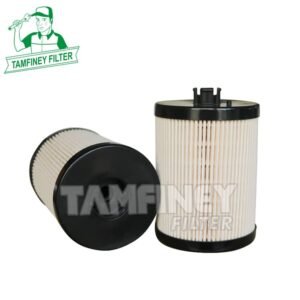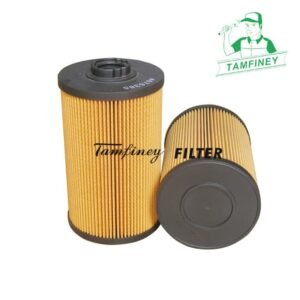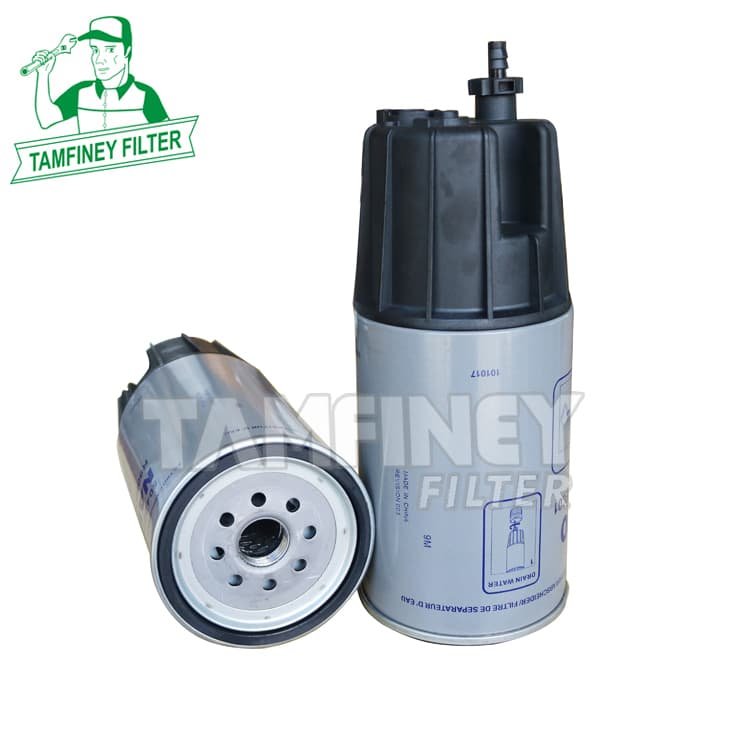


| Fuel Filter R90T-D-MAX BF1292-O 0004771602 Parameter: | |
| Part Number | 16695-9z01d BF1292-O R90D 31945-52161 4291642 21538975 21088099 |
| Brand | Tamfiney |
| Weight | 917g |
| Height | 158mm |
| Outer Diameter | 108mm |
| Inner Diameter/ Thread Size | 1-14 3 3/4-10 BUTT |
| Minimum Order | 100 PCS |
| Place of Region: | Zhejiang, China |
| Payment Terms: | T/T |
| Price Terms: | FOB |
| Lead Time: | 30 to 50 days based on order quantities |
| Market Type: | After Market |
| Current Export Market: | Southeast Asian,North America, South America, Western Europe, Eastern Europe, Africa, Oceania |
Applications:
LIEBHERR A 314 LITRONICA 316 LITRONICA 914A 914A 914 CA 914 COMPACTA 914 COMPACTA 914 COMPACTA 916A 916A 916 CA 916 C LitronicA 918A 918A 918 COMPACTA 918 COMPACTA 918 COMPACT LITRONICA 918 LIA 920A 920A 920
LINDE H 50 DH 60H 60 DH 70 DH 80 D
MASSEY FERGUSON 7240 ACTIVA72447245 S ACTIVA7246 ACTIVA
MERCEDES CAPACITYCAPACITYCITARO 12MCITARO 12MCITARO 12MCITARO 12MCITARO 12MCITARO 18MCITARO 18MCITARO 18MCITARO 18MCITARO 18MO 530 CITAROO 530 CITARO
Professional R90T-D-MAX Diesel Engine Fuel Filter BF1292-O 0004771602
Q: What is a Racor fuel filter?
Racor fuel filters are a professional brand under Parker Corporation. They offer efficient fuel purification solutions for engines. Racor products serve industry, ships, heavy machinery, and high-performance vehicles. The brand is known for advanced filtration technology and durability.
Their product line includes fuel filters, fuel water separators, and filtration modules. These components effectively block impurities and moisture in fuel. They help protect engine stable operation. Core technology features a multi-layer filtering structure. It also has high pollutant holding capacity. This ensures good oil flow efficiency even after long-term use.
Racor filters work well in large power equipment like trucks and ship engines. They separate moisture and filter particulate matter. These filters also remove rust and microorganisms. Such actions improve fuel system reliability.
For instance, Parker Racor Turbo series fuel filters use centrifugal separation. They also apply coalescence filtration principles. These filters suit harsh environments well. Users can add heaters or water sensors as options. This enhances their functionality.
These products often improve engine operating environments in areas with poor fuel quality. They reduce failure risks significantly.
Q: What is the micron rating of Racor fuel filter?
Racor fuel filters come with different micron ratings. These ratings vary by model and filtration needs. Common options include 2, 5, 10, 25, and 30 microns.
A 2 micron rating shows filtration accuracy.
Smaller values mean finer filtration. For instance, 10 and 30 microns often serve as pre-filters. They protect downstream equipment well. Meanwhile, 2 or 5 microns suit final filtration with higher demands.
Choose micron ratings based on fuel quality, environment, and maintenance plans. In marine or heavy-duty diesel settings, 10 or 30 micron grades work effectively. They separate water and particulate pollutants efficiently.
Q: How many kilometers does a fuel filter last?
The service life of a fuel filter varies based on type, fuel quality, vehicle conditions, and mileage. No fixed standard value exists for its lifespan.
An external fuel filter usually needs replacement after 10,000 to 20,000 kilometers. Its design exposes it to fuel flow, making it prone to impurity buildup. Poor fuel quality or dusty environments may require earlier replacement.
A built-in fuel filter offers greater durability. It typically requires replacement every 40,000 to 100,000 kilometers, depending on the vehicle model. Some models may need it every 80,000 to 100,000 kilometers. Infrequent use or high-quality fuel can allow extending the interval.
Adjust the actual replacement cycle based on several factors.
Using substandard gasoline accelerates filter clogging, suggesting a shorter interval of around 30,000 kilometers. High-quality fuel from reputable gas stations permits extending the cycle to 70,000 to 80,000 kilometers. Vehicle usage frequency also affects the cycle—frequent driving may demand replacement at 30,000 kilometers, while infrequent use allows intervals of 50,000 to 100,000 kilometers.