Get a Free Quote

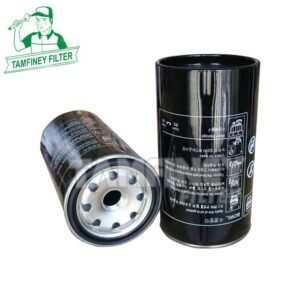
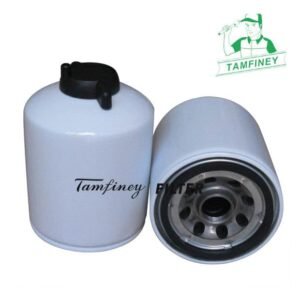
Professional Water Separator P550467 PF7744 L5467FNXL 33651XE
Your Best Water Separator P550467 PF7744 L5467FNXL 33651XE Fuel Filter manufacturer in China.
Donaldson P550467 P176160, P550414, P550463, P550969,P550461 ,P550462 Fram C8017, C8662, CS7772A, CS7772B, CS8744A Luberfiner L3578F, L3578FN-1, L7921F, L9721F L5467FNXL Wix 33651XE Baldwin PF7744


| Fuel Filter P550467 PF7744 L5467FNXL 33651XE Parameter: | |
| Part Number | P550467 PF7744 L5467FNXL 33651XE |
| Brand | Tamfiney |
| Weight | 390g |
| Height | 173/180 mm |
| Outer Diameter | 96 mm |
| Inner Diameter | 17 mm |
| Minimum Order | 100 PCS |
| Place of Region: | Zhejiang, China |
| Payment Terms: | T/T |
| Price Terms: | FOB |
| Lead Time: | 30 to 50 days based on order quantities |
| Market Type: | After Market |
| Current Export Market: | Southeast Asian,North America, South America, Western Europe, Eastern Europe, Africa, Oceania |
Applications:
• BLUE BIRD BUSES VISIONVISION
• INTERNATIONAL TRUCKS HX 515HX 615PAYSTAR 5900i
• KEESTRACK APOLLOAPOLLOARGOARGOB 3B 4B 5COMBO TIER IICOMBO TIER IIICRUISER 1060EXPLORER 1500 ECO-EP ELECTRICEXPLORER 1500 TIER IIIEXPLORER 1800 ECO-EP ELECTRICEXPLORER 1800 TIER IIIEXPLORER 1800 TIER IIIFRONTIER ECO-EP ELECTRICFRONTIER TIER IIIFRONTIER TIER IIIGIOVENOVUM 21NOVUM 21NOVUM 4215NOVUM ECO-EP ELECTRICNOVUM TIER IINOVUM TIER IIIS 3S 5STACKER 08-18STACKER 10-23
• VOGELE SUPER 1803-3
• WIRTGEN W 200 FiW 200 IW 250 IWR 240 I
Professional Water Separator P550467 PF7744 L5467FNXL 33651XE
The P550467 water separator stands as a leading choice for modern diesel engines. This filter is designed to efficiently remove water and contaminants from fuel. As a result, it prevents engine corrosion and injector damage. Furthermore, the P550467 offers a long service life and reliable performance, even in tough working conditions. TAMFINEY delivers only high-quality P550467 filters for your fleet. By using this water separator, you safeguard your engine investment every day.
Water Separator: Clean Fuel, Smooth Operation
A water separator plays a critical role in engine maintenance. It separates harmful water from diesel, ensuring clean fuel reaches the combustion chamber. Consequently, fuel systems remain clean, and engine efficiency improves dramatically. Using a high-quality water separator reduces engine wear and costly repairs. TAMFINEY provides various water separator options for fleets and industrial machines. With dependable water separators, your operations never suffer from fuel contamination.
PF7744 Alternative: Quicker Replacement, Consistent Results
The PF7744 is a trusted cross reference for the P550467 water separator. Its construction ensures it withstands high pressure and extreme temperatures. Additionally, installing PF7744 is quick and does not require special tools. Many operators select PF7744 for its longevity and easy compatibility with multiple engines. TAMFINEY makes sourcing PF7744 smooth, ensuring consistent engine protection. Switching to PF7744 can extend filter maintenance intervals as well.
L5467FNXL Cross Reference: Broad Compatibility
Many modern engines also use the L5467FNXL as a direct substitute for P550467. This filter delivers robust filtration and water separation, even in challenging conditions. In fact, the L5467FNXL meets and often exceeds OEM standards. TAMFINEY guarantees that each L5467FNXL filter fits your engine perfectly. Whether for trucks or heavy equipment, L5467FNXL is designed for wide compatibility. Choosing this cross reference ensures optimal performance at all times.
33651XE Alternative: Dependable Engine Filtration
For another compatible option, 33651XE works seamlessly with systems requiring P550467. Its advanced filter media offers superior water and particle separation. The 33651XE is trusted in construction, agriculture, and logistics industries worldwide. Additionally, its sturdy build helps reduce frequent filter replacements. TAMFINEY stocks quality-assured 33651XE filters, always ready for immediate dispatch. Ensure uninterrupted fleet operation by selecting 33651XE as your preferred water separator alternative.
Why Choose TAMFINEY for Water Separator Solutions?
TAMFINEY specializes in water separator solutions like P550467 and its cross references. Our technical team assists with selecting and installing the correct filter on any engine. Besides genuine products, we offer fast shipping and comprehensive after-sales support. TAMFINEY remains committed to fleet safety and consistent engine operation. Partnering with TAMFINEY means choosing trusted quality every time.
Conclusion: Keep Engines Safe with TAMFINEY
In summary, the P550467 water separator and its alternatives—PF7744, L5467FNXL, and 33651XE—are crucial for diesel engine health. Each filter guarantees outstanding filtration, fuel purity, and prolonged engine life. TAMFINEY’s support ensures you always receive the best fit for your machinery. Rely on TAMFINEY for cost-effective, high-performance water separators, and protect your investment for years to come.
Q: What is a water separator?
A water separator is a device used to separate water from other substances such as oil, gas, or impurities, and widely used in industries, transportation, environmental protection, and other fields. Its core function is to achieve efficient separation of mixtures through physical or mechanical methods to meet purification, recovery, or safety requirements.
According to the different separation objects and application scenarios, water separators can divide into various types.
For example, industrial oil-water separators are mainly used to treat oily wastewater. Based on the principle of oil-water density difference, gravity separation, centrifugation or membrane separation technologies are adopted, which commonly used in industries such as petrochemicals and mechanical processing, and can remove more than 95% of oil. Compressed air oil-water separators used in air compression systems to remove moisture and oil droplets from compressed air through centrifugal action or baffle structures, ensuring that the gas is dry and clean.
In the automotive industry, fuel water separators are often as part of fuel filters, specifically to remove moisture from diesel, prevent fuel injector failures, and extend engine life. In addition, the water separator used in the aerospace environmental control system utilizes centrifugal force or hydrophilic and oleophobic materials to separate the water gas mixture, ensuring the stable operation of the life support system.
These devices typically rely on physical mechanisms such as density differences, inertial collisions, or selective permeation, without the need for chemical agents, and have the characteristics of low operating costs and easy maintenance.
Q: How often should I drain a water separator?
The recommended frequency for emptying the fuel water separator (i.e. discharging accumulated moisture and impurities inside) is usually once every 10000 kilometers of travel. But this cycle is not absolutely fixed and needs to be flexibly adjusted according to various practical factors.
Fuel quality is a key influencing factor. When using high-quality fuel, there are fewer impurities and moisture, and the burden on the oil-water separator is lighter. The emptying cycle can appropriately extended to 12000 kilometers or even 15000 kilometers; If the fuel quality is average and there are many impurities, the cycle time needs to shorten to around 8000 kilometers.
The usage environment is equally important. In humid areas (such as the southern coast), air moisture is prone to enter the fuel system, and it is empty every 9000 kilometers; Environments with high levels of dust, such as northern sand and dust areas, may require treatment every 8500 kilometers.
The frequency of vehicle usage also needs to be considered. Frequent use of vehicles (such as taxis) may require more frequent emptying, while private cars with lower annual mileage should ensure at least one inspection per year, even if the time is longer.
In addition, if the vehicle is fueled with poor quality fuel or subjected to extreme conditions for a long time (such as frequent short distance driving or congested road conditions), the emptying cycle may need to be further shortened to 5000-6000 kilometers. Car owners should regularly check the status of the fuel water separator. If a water droplet warning light appears on the dashboard, it should immediately drain or repair. It is recommended to refer to the manufacturer's guidance in the vehicle manual and make a comprehensive judgment based on the inspection results of professional maintenance personnel.
Q:How to separate water out of diesel?
Different methods can base on specific circumstances to separate water from diesel. Here are some commonly and effective methods, introduced based on their principles and applicable scenarios.
• Precipitation separation method: Utilizing the density difference between diesel and water, the mixed diesel is left to stand at room temperature and pressure. Water will naturally settle to the bottom, and diesel will float on the upper layer. Then, it can slowly poure or the bottom water can drain through a drain valve to achieve separation. This method is simple to operate, low-cost, but time-consuming, and has poor effect on emulsified water (a stable mixture of water and diesel).
• Heating separation method:
By heating diesel and utilizing the characteristic that the boiling point of water (about 100 ° C) is much lower than that of diesel (about 250-350 ° C), water is preferentially evaporated. During the heating process, it is necessary to closely control the temperature. When oil and gas are observed, it indicates that the water has basically evaporated and the remaining material is diesel. This method is fast and suitable for handling large amounts or emulsified water, but attention should be attention to avoiding overheating that affects diesel quality, and there are safety risks (such as open flame hazards).
• Filtration method: Use a dedicated diesel oil-water separator or filtration device to intercept moisture through the filter element, allowing diesel to pass through. This method can work continuously and has high efficiency, but it requires regular replacement of the filter element, increases maintenance costs, and may affect vehicle power due to filter clogging.
• Centrifugal separation method:
In large facilities such as gas stations, a centrifuge rotates at high speed to generate centrifugal force and quickly separate fuel and water. This method has good separation effect and high efficiency, but the equipment is expensive and the operation is complex, making it suitable for professional environments.
• Desiccant adsorption method: Add a desiccant (such as anhydrous calcium chloride) to diesel to adsorb moisture. Easy to operate, capable of removing some moisture, but requires control over the amount of desiccant used and proper disposal after use to prevent environmental pollution.
• Distillation method: By heating and distilling, the water evaporates and condenses to collect high-purity diesel. The separation effect is excellent, but it has high energy consumption, high cost, and complex operation, and is usually used in laboratory or industrial scenarios.
When making practical choices, it is necessary to comprehensively consider the moisture content, processing speed, cost, and diesel quality requirements. For example, a small amount of water can be preferentially precipitated or filtered, while a large amount of water is suitable for heating or centrifugation. In daily storage, water should be avoided from mixing in to ensure the normal operation of the equipment.