
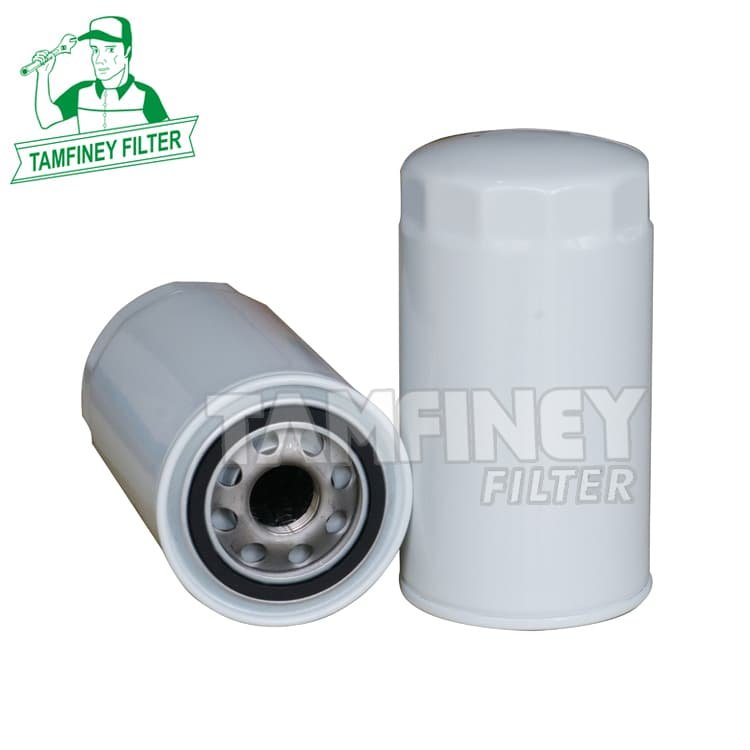


| Oil Filter P551100 LF16117 2854749 87646666 504084161 Parameter: | |
| Part Number | P551100 LF16117 2854749 87646666 504084161 |
| Brand | Tamfiney |
| Weight | 593 g |
| Height | 176 mm |
| Outer Diameter | 93 mm |
| Inner Diameter/ Thread Size | M27 X 26H INT |
| Minimum Order | 100 PCS |
| Place of Region: | Zhejiang, China |
| Payment Terms: | T/T |
| Price Terms: | FOB |
| Lead Time: | 30 to 50 days based on order quantities |
| Market Type: | After Market |
| Current Export Market: | North America, South America, Western Europe, Eastern Europe, Africa, Oceania |
What vehicle does P551100 fit?
IMER SILENTSTAR 080 FPTSILENTSTAR 100 T-AI S5
INMESOL II R-110II RN-190
IRISBUS CROSSWAY 10.6CROSSWAY 10.8CROSSWAY 12CROSSWAY 12CROSSWAY 12CROSSWAY 13EVADYSMIDI GX 117MIDI GX 127MIDYSPROWAYPROXYS
IRIZAR I4 300 HYBRIDI4 300 HYBRID
IRTEC POMPE IRRIGATION
IVECO 100 KVACITYCROSSWAY 320 POP / LINE / H-VCROSSWAY LE 285CROSSWAY LE 320EUROCARGO 100E17 K TECTOREUROCARGO 100E17 TECTOREUROCARGO 100E18 K TECTOREUROCARGO 100E18
JCB G 200 RX
JLG SkyTrak 10042SkyTrak 10054SkyTrak 6036SkyTrak 6042SkyTrak 8042
JOHNSTON SWEEPERS C 401 EURO 6SERIE 5000 TYPE CN 400
KALMAR OTTAWA 4X2TT 612 D
KAMAZ 43074307.143084308.15308
KARSAN ATAKATAKSTARSTAR
KING LONG 68006900 E46900 E5
KOMATSU FH 13FH 13S 4 D 104 E-3WB 93 R-5WB 93 S-5EOWB 97 R-5E0WB 97 S-5WH 609WH 609-1WH 609-1WH 613 UTILITY TURBOWH 613 UTILITY TURBOWH 713-1WH 713-1WH 714-1WH 714-1WH 714H-1WH 714H-1WH 716-1WH 716-1
KONRAD FORSTTECHNIK HIGHLANDER
KUHN SPW 14 COMPACTSPW 16 COMPACTSPW 18 COMPACTSPW 19SPW 22SPW 25
KVERNELAND PRESTIGESILOKINGSILOKING PRESTIGE 12
Premium Oil Filter Diesel P551100 LF16117 2854749 87646666 504084161
Q: What is the difference between an oil filter and a diesel filter?
The core difference between diesel filters and oil filters lies in the different filtering media: the former filters impurities and moisture in diesel to protect the fuel system; The latter filters metal debris and sludge from the engine oil to protect the lubrication system. The specific differences are as follows:
Differences in functionality and filtering objects
• Diesel filter:
Filter particulate matter (such as metal debris, gum) and moisture in diesel to prevent clogging of fuel injectors or engine corrosion. For example, the reaction between water and sulfur to produce hydrochloric acid can damage precision components. twelve
• Oil filter:
Filter metal debris, carbon particles, and sludge in the oil circulation to ensure the cleanliness of the lubrication system and reduce engine wear.
Structural and design differences
1. Filter aperture:
The pore size of the diesel filter is relatively small (about 10 microns), and small impurities need to be intercepted due to the low viscosity of diesel.
The oil filter has a larger aperture and needs to filter out gel like substances due to the high viscosity of the oil.
2. Key components:
The diesel filter cover usually comes with a bleed screw to remove air from the fuel line.
The oil filter does not have this structure, but some models include a pressure limiting valve to regulate oil pressure.
3. Identification and appearance:
The diesel filter is labeled with the symbol "FUEL Filter" and the fuel dispenser symbol.
The oil filter is labeled with "OIL Filter" and the engine block symbol.
Location and replacement cycle
1. Installation location:
Diesel filter: can be external (chassis oil pipe) or internal (fuel tank).
Oil filter: fixed next to the engine lubrication system and easily accessible.
2. Replacement cycle:
Diesel filter: external 20000 to 30000 kilometers, internal 60000 to 80000 kilometers; Shorten by 20% when the oil quality is poor.
Oil filter: Mineral oil should be replaced every 5000 kilometers, and fully synthetic oil should be replaced every 10000 kilometers, which should be replaced synchronously with the oil.
Q: What are the best oil filters for diesel engines?
There is currently no single "best" brand for the best oil filter for diesel engines, as the optimal choice usually depends on the vehicle model, budget, and performance requirements. However, some brands in the industry are renowned for their high quality and reliability, often recommended as premium options.
Bosch: As a globally renowned automotive parts manufacturer, Bosch's oil filters are recognized for their efficient filtration, strong durability, and adaptability to numerous vehicle models.
MAHLE: A German brand renowned for its rigorous manufacturing processes and high reliability. Its products have excellent filtration effects and are the choice of many car owners.
MANN-Filter: a world-renowned filter supplier that collaborates with multiple international automotive companies. Its diesel filters are made of high-performance materials, with excellent filtration efficiency and durability.
Choose Suggestions
When choosing an oil filter, priority should be given to original or compatible products that match the vehicle model, and reference should be made to user evaluations and professional testing. Regularly replacing filters is key to maintaining engine health.
Q: Can I use a gasoline oil filter on a diesel engine?
An oil filter's main job is to remove impurities, metal particles, and carbon deposits from engine oil. This keeps the oil clean and ensures the engine gets proper lubrication.
Gasoline and diesel engine oils have very different performance needs. Diesel oil needs higher alkali values to neutralize acids and stronger wear resistance for high-pressure conditions. But the oil filter does not directly control oil chemistry. Its role is physical filtration.
Many oil filters work as "universal" in real-world use. They can fit both gasoline and diesel engines if size, interface, filtration accuracy, and flow rate match engine requirements. So, if a gasoline engine oil filter meets diesel engine specs like thread size, height, bypass valve pressure, and filtration efficiency, it might work in emergencies.
Still, experts strongly advise against using gasoline engine oil filters on diesel engines long-term. Here are key reasons:
1. Diesel engines operate in harsher conditions, creating more impurities and carbon deposits. These engines often need specialized filters with higher capacity or better materials.
2. Some diesel-specific filters have extra features, like higher pressure resistance. These help handle diesel engines' increased oil pressure and load.
3. Using non-recommended filters can harm lubrication system stability. Over time, this may cause more engine wear.
4. The best approach is to always use filters recommended by the vehicle maker. Choose ones designed specifically for diesel engines to protect the engine fully. If unsure, check the user manual or ask maintenance professionals.
In emergencies, if you must use gasoline engine oil filters, replace them with proper diesel filters quickly. Monitor the engine's operating status closely during this time.


