
Get a Free Quote
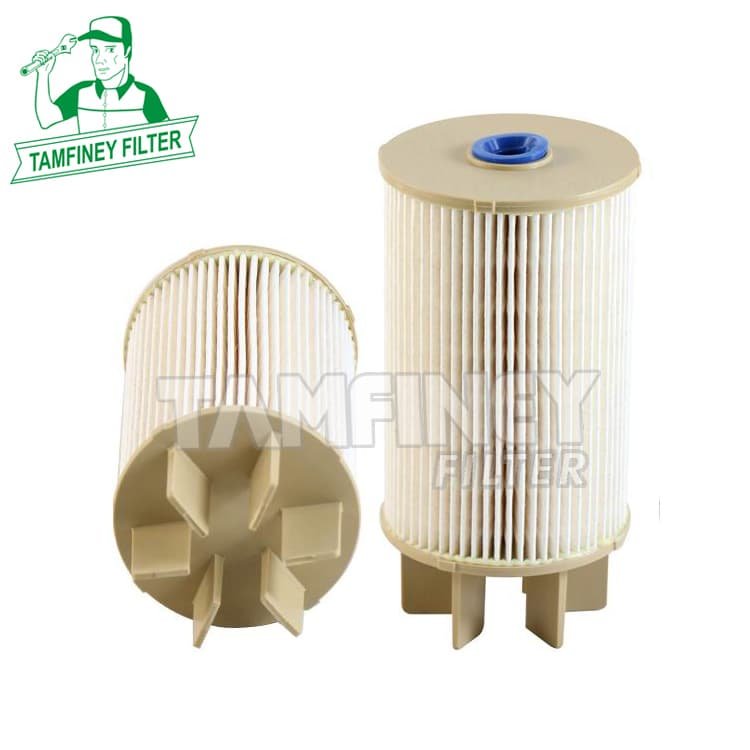
Professional Nissan Fuel Filter Replacement 16403-4kv0a EF-18050 16403-4KVOA
Your Best Nissan Fuel Filter Replacement 16403-4kv0a EF-18050 16403-4KVOA Fuel filter manufacturer in China.
NISSAN 16403-4KVOA 164034KV0A 16403-4KV0A 16403-LC40A 16403LC40A SAKURA EF18050 EF-18050


| Fuel Filter 16403-4kv0a EF-18050 16403-4KVOA Parameter: | |
| Part Number | 16403-4kv0a EF-18050 16403-4KVOA |
| Brand | Tamfiney |
| Weight | 291 g |
| Height | 159 mm |
| Outer Diameter | 81 mm |
| Inner Diameter/ Thread Size |
11 mm |
| Minimum Order | 100 PCS |
| Place of Region: | Zhejiang, China |
| Payment Terms: | T/T |
| Price Terms: | FOB |
| Lead Time: | 30 to 50 days based on order quantities |
| Market Type: | After Market |
| Current Export Market: | Southeast Asian,North America, South America, Western Europe, Eastern Europe, Africa, Oceania |
Applications:
• NISSAN NT 500 35.15NT 500 56.15NT 500 65.15NT 500 75.18
• NISSAN VU/LT/LW NP 300 2,5 TDI
• RENAULT VI D 180.75D 180 WIDE
Professional Nissan Fuel Filter Replacement 16403-4kv0a EF-18050 16403-4KVOA
The Necessity of Timely Nissan Fuel Filter Replacement
Fuel system maintenance is crucial for every Nissan owner. Not only does a clean filter guarantee engine health, but it also ensures consistent fuel delivery. Because contaminants frequently accumulate in the fuel tank, regular Nissan Fuel Filter Replacement becomes essential. Additionally, neglected filters lead to reduced efficiency and higher risk of breakdowns. Consequently, making fuel filter replacement a priority saves time and money, while enhancing overall vehicle reliability.
Why 16403-4kv0a Sets the Standard for Your Nissan
When searching for the right part, 16403-4kv0a stands out as the core fuel filter reference. Specifically designed for Nissan vehicles, this filter offers advanced filtration and exceptional longevity. Moreover, its construction resists deterioration from fuel additives and impurities. While other alternatives are available, 16403-4kv0a is recommended for unmatched fit and reliable operation. For maximum results, always choose genuine products compatible with your model.
Understanding Alternative Options: EF-18050 and 16403-4KVOA
Although 16403-4kv0a is the primary Nissan Fuel Filter Replacement option, alternatives play a significant role for various models. For instance, EF-18050 supports compatibility with different engine configurations. In addition, 16403-4KVOA serves as a substitute part with similar durability. By cross-referencing these filter numbers, you increase the chance of finding the perfect fit. Whenever in doubt, Tamfiney’s experts guide you to ensure proper selection and trouble-free replacement.
How to Perform a Nissan Fuel Filter Replacement Seamlessly
Replacing your Nissan Fuel Filter Replacement need not be complicated. First, ensure the vehicle is off and safely parked. While gathering the required tools, prepare your new 16403-4kv0a filter or suitable alternative. Carefully detach the old filter by loosening fittings, then inspect hoses for damage or wear. Although installation varies slightly by model, always confirm tight connections and proper seating for the new filter. Afterward, run the engine to check for leaks and stable fuel flow. Thus, following these steps guarantees a smooth filter swap and top engine performance.
Watch for Signs Your Nissan Fuel Filter Needs Replacement
Sometimes, your Nissan may warn you when the filter is clogged. For example, decreased power, slow acceleration, or sudden engine stalls may occur. Additionally, poor fuel economy and rough idling point to possible filter blockages. Because contaminated filters strain the fuel pump, ignoring these warnings could invite costly repairs. Whenever you spot these signals, plan a Nissan Fuel Filter Replacement without delay. Fast action keeps your vehicle running efficiently for longer periods.
Tamfiney’s Commitment to Reliable Nissan Fuel Filter Solutions
Offering top-quality Nissan Fuel Filter Replacement options, Tamfiney specializes in genuine 16403-4kv0a filters and trusted alternatives. Not only do we supply EF-18050 and 16403-4KVOA, but each product undergoes strict testing for safety and durability. Additionally, Tamfiney’s support staff provides expert advice and prompt assistance with fitment or installation. While some sources offer generic filters, Tamfiney consistently focuses on brand integrity and customer satisfaction.
Upgrade Your Maintenance Routine With Tamfiney
In summary, choosing Tamfiney for Nissan Fuel Filter Replacement elevates your entire fuel system's longevity and reliability. Furthermore, our extensive catalog features 16403-4kv0a, EF-18050, and 16403-4KVOA filters to suit diverse Nissan models. Since efficient fuel filtration is vital, trust Tamfiney to deliver both value and performance. Contact our team today for fast delivery, expert technical advice, and dependable products—protect your Nissan's engine, mile after mile, with Tamfiney.
Q: How do I tell if I need to change my fuel filter?
To determine whether the fuel filter needs to be replaced, a comprehensive judgment can be made by observing the vehicle's operating symptoms, referring to the mileage, combining professional testing methods, and considering factors such as the usage environment.
🔍 Observe the symptoms of vehicle operation
If the following phenomena occur, it may be a signal of fuel filter blockage or reduced efficiency:
• Decreased power: Weak acceleration, especially when going uphill or at full load, feeling insufficient power and needing to step on the accelerator deeper to obtain normal power feedback.
• Difficulty starting: Multiple ignitions are required to start, or the car cannot be started directly when it is cold, which may be due to abnormal fuel pressure.
Idle shaking: The engine shows significant shaking at idle, which may be due to poor fuel supply leading to insufficient combustion of the mixture.
• Abnormal increase in fuel consumption: Under the same road conditions, if fuel consumption suddenly increases by more than 10% -15%, it may be due to poor fuel atomization caused by clogged filters.
• Engine stalling or unstable operation: If the engine suddenly stalls while driving, or if there is "shaking" (momentary shaking), other faults need to be eliminated before considering the filter issue.
Q: How often are you supposed to replace your fuel filter?
The replacement cycle of fuel filters is not fixed and depends mainly on factors such as your vehicle model, fuel quality, driving habits, and usage environment.
🔧 General recommendations for replacement cycles
Overall, the replacement cycle of fuel filters can refer to the following range:
External fuel filter (usually installed outside the fuel tank): Replacement is relatively simple, and the recommended replacement cycle is short, usually every 20000 to 30000 kilometers.
Built in fuel filter (usually integrated inside the fuel tank, paper core style): Replacement is complex and expensive, with a long design life. It is generally recommended to replace it every 40000 to 80000 kilometers. Some car models, when using high-quality fuel and maintaining it properly, can refer to the manufacturer's recommendation to extend the mileage to 80000 to 100000 kilometers, but do not exceed the upper limit specified by the manufacturer.
It should be noted that some 4S stores may recommend more frequent replacements (such as every 10000 kilometers), which may be related to their service strategy.
Q: Where is my fuel filter located?
The position of fuel filters varies depending on the vehicle model and is mainly divided into two types: internal and external. The following are common locations and search methods:
Built in fuel filter: usually located inside the fuel tank and combined with the gasoline pump. This design is common in many modern vehicles, and when searching, it can be traced upstream (towards the fuel tank) through the fuel supply line of the fuel injector. If the filter is not visible on the line, it is likely to be inside the fuel tank.
External fuel filter: usually installed at the oil pipe connection of the vehicle chassis, near the fuel tank. When replacing, the vehicle needs to be lifted to see it. It is usually in the shape of a metal can and connected to the fuel supply pipe.
Search suggestions:
Due to the significant differences in installation positions among different vehicle models (for example, some models may place the filter in a specific location in the engine compartment or fuel tank), the most reliable method is to refer to your vehicle manual or consult professional maintenance personnel. If you plan to conduct a self inspection, please ensure that the vehicle is turned off and cooled before operation to avoid the risk of fuel leakage.
Regularly replacing the fuel filter (approximately every 20000 kilometers for external and every 100000 kilometers for internal) can help maintain engine performance, and it is recommended to use genuine accessories.


