Get a Free Quote
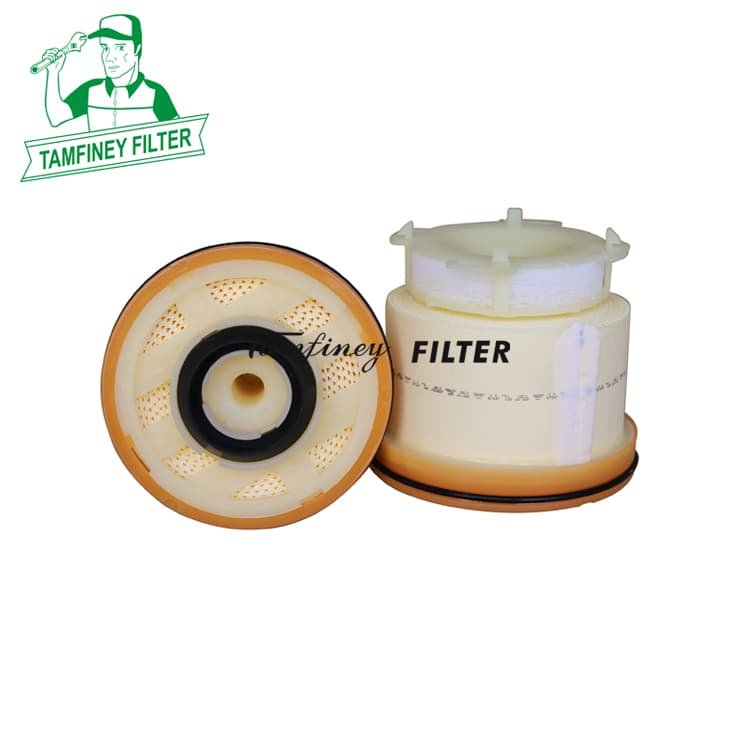
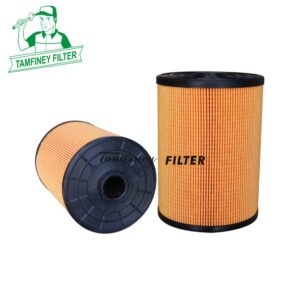
Professional Mitsubishi L200 Fuel Filter 1770A338 F-10200 F10200 23390-OL050 P502637
Your Best Mitsubishi L200 Fuel Filter 1770A338 F-10200 F10200 23390-OL050 P502637 Fuel filter manufacturer in China.
Mitsubishi 1770A338 Sakura F-10200 F10200 Toyota 23390-OL050 Donaldson P502637


| Fuel Filter 1770A338 F-10200 F10200 23390-OL050 P502637 Parameter: | |
| Part Number | 1770A338 F-10200 F10200 23390-OL050 P502637 |
| Brand | Tamfiney |
| Weight | 120 g |
| Height | 88 mm |
| Outer Diameter | 84 mm |
| Inner Diameter/ Thread Size |
mm |
| Minimum Order | 100 PCS |
| Place of Region: | Zhejiang, China |
| Payment Terms: | T/T |
| Price Terms: | FOB |
| Lead Time: | 30 to 50 days based on order quantities |
| Market Type: | After Market |
| Current Export Market: | Southeast Asian,North America, South America, Western Europe, Eastern Europe, Africa, Oceania |
Applications:
• MITSUBISHI 4X4 PAJERO SPORT III 2,4 DI-D 4X4
• MITSUBISHI VU/LT/LW L 200 2400 DI-DL 200 2,4 DI-DL 200 2,4 DI-DL 200 2,4 DI-D 4WDL 200 2,4 DI-D 4WD
Professional Mitsubishi L200 Fuel Filter 1770A338 F-10200 F10200 23390-OL050 P502637
Unlock Peak Performance for Your Mitsubishi L200
Enhancing your Mitsubishi L200’s engine starts with proper fuel filtration. Thus, choosing the right fuel filter, like the 1770A338, is crucial for durability and reliability. As a matter of fact, not only does it trap harmful contaminants, but it also protects sensitive engine components. Moreover, regular filter changes ensure consistent fuel flow. Because the fuel system works harder when debris builds up, prioritizing a high-quality Mitsubishi L200 Fuel Filter makes a significant difference.
Comparing 1770A338 with F-10200, F10200, 23390-OL050, and P502637
Although the 1770A338 is a leading choice, other options such as F-10200 and F10200 are also popular among L200 owners. For example, both filters provide impressive filtration and dependable engine protection. Additionally, part numbers 23390-OL050 and P502637 offer compatibility with various L200 models. Instead of settling for substandard alternatives, exploring these reliable filters means drivers get the best value and performance. Furthermore, upgrading allows for smoother acceleration, better fuel economy, and reduced engine wear.
The Importance of Routine Fuel Filter Maintenance
Many drivers forget the importance of regular fuel filter replacement. However, skipping this critical step leads to problems quickly. Not only does dirt accumulate in the lines, but it also affects engine efficiency. Consequently, fuel injectors suffer unnecessary damage, resulting in expensive repairs. By contrast, timely installation of 1770A338 or F10200 keeps the fuel system clean. Above all, a healthy engine means lower emissions and longer vehicle life.
TAMFINEY’s Quality Promise
TAMFINEY understands that reliability starts with premium materials. Every Mitsubishi L200 Fuel Filter undergoes rigorous quality testing before shipping to customers. Besides using advanced filtration technology, models like 1770A338 and 23390-OL050 are engineered to withstand demanding conditions. Furthermore, filters are designed for easy installation, so service takes less time. As a result, choosing TAMFINEY guarantees peak engine performance and customer satisfaction.
Hassle-Free Installation for Every L200 Owner
Changing your fuel filter is easier than many think. First, make sure the engine is cool and safe to work on. Next, remove the old filter carefully, avoiding fuel spillage. Afterward, install the new filter—whether you choose 1770A338, F-10200, or P502637. Additionally, inspect all connections to prevent leaks. Finally, start the engine and check for smooth operation. Instead of dealing with frequent issues, this simple routine restores optimal power and efficiency.
Sustainable Manufacturing with Dedicated Support
Eco-friendly solutions matter to TAMFINEY. Because environmental protection is a priority, all filters use recyclable packaging and materials. Moreover, every filter is designed to improve combustion and lower harmful emissions. Instead of facing fitment confusion, TAMFINEY’s expert team helps customers select the correct part. Whether you need 1770A338, F10200, or 23390-OL050, support is always available. Customers also benefit from quick delivery for urgent orders.
Choose TAMFINEY—Drive with Confidence and Peace of Mind
To sum up, Mitsubishi L200 drivers deserve superior fuel filtration and long-term reliability. Whether you prefer 1770A338, F-10200, F10200, 23390-OL050, or P502637, TAMFINEY provides filters that outperform expectations. Because our products combine proven durability with eco-conscious design, every journey is worry-free. For best results, trust TAMFINEY to safeguard your Mitsubishi L200 and keep you on the road, mile after mile. Contact us today for expert advice and premium solutions.
Q: What is the most common problem with the Mitsubishi L200?
The most common issues regarding the Mitsubishi L200 pickup truck, based on existing information, mainly focus on vehicle design, configuration level, and power system.
1. Design and configuration lag behind the times
Appearance and Interior: Multiple sources indicate that the Mitsubishi L200 has an outdated design style in terms of appearance and interior, featuring features such as halogen headlights, mechanical air conditioning knobs, and drum brakes that are considered "retro" or even outdated in the current market. The overall texture is significantly inferior to domestic pickup trucks in the same price range.
O Configuration level: In the price range of 300000 yuan, the vehicle lacks the comfort and technological features that consumers expect, such as a large-sized central control screen, reverse image, sunroof, leather seats, etc., making the configuration list very "stingy".
2. The power system is single and "castrated"
Powertrain: The L200 only offers a combination of a 2.2T MIVEC diesel engine and a 6-speed automatic transmission, lacking gasoline power options and having a narrow range of choices.
Power parameters: According to information, the 2.2T diesel engine it is equipped with is actually a "castrated" version, with a reduced displacement from the prototype's 2.4T, and lower power parameters compared to other models on the same platform. one
3. The contradiction between market positioning and selling price
O niche positioning: The L200 is positioned as a hardcore pickup truck with a focus on off-road entertainment, but this type of vehicle has a narrow audience in the domestic market and belongs to the category of "well received but not well received".
Price pressure: Its price range (about 260000-30000 yuan) is in an awkward position. For players who pursue off-road performance, they may feel that the configuration and power are not sincere enough; For ordinary consumers, the high price and relatively outdated configuration lack attractiveness, resulting in poor sales.
Q: How often should I change a Mitsubishi fuel filter?
Regarding the replacement cycle of Mitsubishi fuel filters, the specific time needs to be determined based on the type of filter (external or internal) and your actual driving situation. The following are suggestions based on common situations:
Replacement cycle reference
External fuel filter (usually installed in the chassis or engine compartment): It is recommended to replace it every 10000 to 20000 kilometers or 1 year. If you frequently use low-quality fuel (such as private gas stations), drive in dusty environments (such as construction sites, mining areas), or use ethanol gasoline, it is recommended to shorten the replacement mileage to around 15000 kilometers.
Built in fuel filter (integrated into the fuel tank): The replacement cycle is relatively long, usually 40000 to 80000 kilometers or 2 to 3 years. For vehicles that frequently travel short distances (one-way distance less than 5 kilometers), it is recommended to prioritize a time period (such as 3 years); If the vehicle is over 5 years old, even if the mileage does not meet the standard, it is recommended to check the condition of the filter element at 30000 kilometers.
Precautions for Mitsubishi models
Some Mitsubishi models, such as the Outlander, may use external filters with a replacement cycle typically close to 10000 to 20000 kilometers. However, there may be differences in different models and configurations. The most accurate way is to refer to your vehicle maintenance manual and follow the manufacturer's recommendations. For example, some Japanese models may recommend replacement every 30000 kilometers, while American models may be replaced every 20000 kilometers.
How to determine if it needs to be replaced in advance?
If the vehicle exhibits the following symptoms, the fuel filter should be checked immediately:
• Multiple ignitions are required for successful cold start.
• Weak acceleration and increased fuel consumption by more than 15%.
• The engine malfunction light intermittently lights up
• Idle shaking or sudden stalling during high-speed driving.
Summary
Overall, the replacement cycle of Mitsubishi fuel filters is approximately 10000-20000 kilometers (external) or 40000-80000 kilometers (internal). It is recommended to adjust flexibly based on your driving habits, fuel quality, and vehicle age, and conduct regular inspections. If you are unsure about the type of filter, you can consult a Mitsubishi 4S store or professional maintenance personnel.
Q: Where is the fuel filter located on a Mitsubishi?
The position of Mitsubishi's fuel filter varies depending on the model and design, mainly divided into two types: internal and external. The following is a summary of common situations:
Built in fuel filter: usually located inside the fuel tank and installed together with the gasoline pump. This design is relatively concealed and requires disassembling the fuel tank for replacement, making the operation relatively complex.
External fuel filter: It may be installed on the fuel pipe of the vehicle chassis (near the fuel tank or along the fuel supply pipeline), or near the internal fuel pump in the engine compartment. External positions are easier to access, such as on the chassis oil circuit or inside rectangular plastic boxes in the engine compartment.
Specifically for certain vehicle models:
The gasoline filter of Mitsubishi Winged is located near the fuel pump in the engine compartment.
The filter element of Mitsubishi Pajero may be built-in to the fuel tank or installed on the chassis oil circuit.
The filter element of Mitsubishi Outlander is located in the fuel tank and can only be seen by removing the rear seats and carpet.
Due to the different layouts of different vehicle models (such as V73, Jinxuan, etc.), it is recommended that you consult the vehicle manual or professional maintenance personnel to obtain the accurate location.