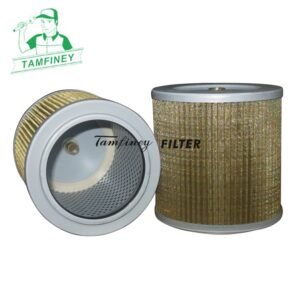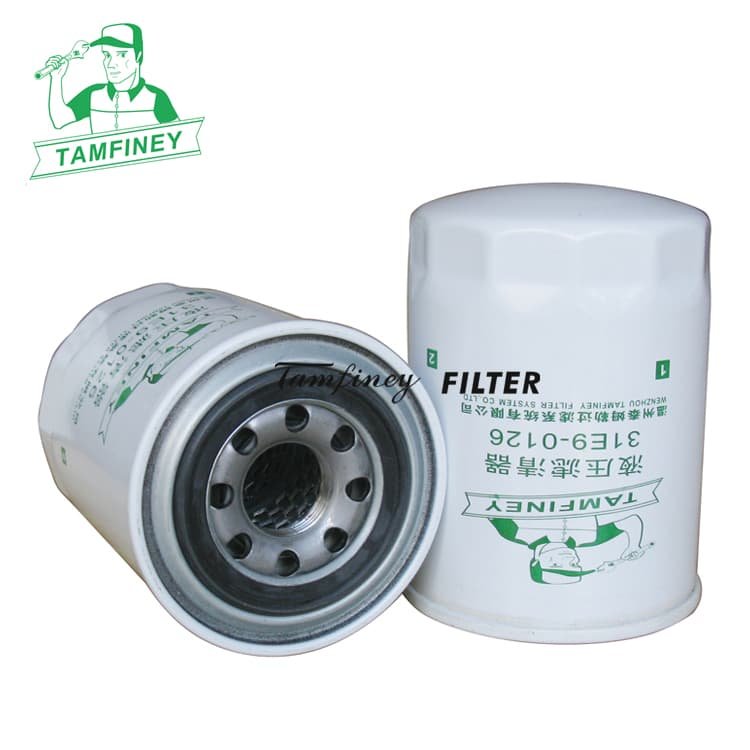



| Hydraulic Filter 31E9-0126 HF28850 BT260 BT260-10 Parameter: | |
| Part Number | 31E9-0126 HF28850 BT260 BT260-10 |
| Brand | Tamfiney |
| Weight | 539g |
| Height | 130mm |
| Outer Diameter | 93mm |
| Inner Diameter/ Thread Size | 1 1/8-16 UN |
| Minimum Order | 300 PCS |
| Place of Region: | Zhejiang, China |
| Payment Terms: | T/T |
| Price Terms: | FOB |
| Lead Time: | 30 to 50 days based on order quantities |
| Market Type: | After Market |
| Current Export Market: | Southeast Asian,North America, South America, Western Europe, Eastern Europe, Africa, Oceania |
Applications:
BOBCAT D320 D322 G322 G323 J323 D418E 08E 08E 10E 10E 10 ZE 14E 16E 17E 17E 17E 17zMT 50X 320
HITACHI EX 60 SS/SRZX 450-3 LC 3 ZAXISZX 470-6ZX 470-6 ZAXISZX 670-6ZX 670-6 LCZX 670-6 LCHZX 670-6 LCRZX 670 LCH-3 BE ZAXISZX 670 LC HZX 890-6 LCHZX 890-6 LCRZX 890-6 R
HYUNDAI HL 760-7HL 760-7AHW 180HX 145 W-3R 170 W-7R 170 W-7AR 170 W-9R 180 LC-7R 180 LC-7AR 180 LC-9R 180 LCD-7R 180 LCD-7AR 180 W-9AR 200 LCR 200 NLC-3R 200 NLC-3HR 200 W-3R 200 W-7R 200 W-7AR 210 LC-3
Professional Hyundai 31E9-0126 Spin On Hydraulic Oil Filters HF28850 BT260 BT260-10
Q: How do you install a spin-on hydraulic filter correctly?
The correct installation of the spin on hydraulic filter is: system pressure relief → cleaning the base → oiling the sealing ring → manual tightening → tightening with torque → leak testing.
Key operational steps
Shutdown Pressure Relief:
First, close the hydraulic system thoroughly. Then, operate the unloading valve to release all residual pressure. Because this step prevents accidental fuel injection, it protects operators from injury. Furthermore, releasing the pressure avoids impurities entering the system during filter replacement.
Dismantling and Cleaning:
Next, use a special wrench to unscrew the old filter element carefully. Afterwards, inspect and clean the sealing surface of the installation base in detail. Also, confirm there are no residues, iron filings, or dirt left behind. As a result, you ensure a flawless installation environment for the new filter.
Pre-treat New Filter Element:
Before installation, apply clean hydraulic oil to the O-ring evenly. Never install the filter element dry, as damage can occur. Additionally, if the filter is at the suction port, pre-fill it with hydraulic oil. This step prevents dry startup and protects system components.
Manual Screwing In:
Align the threads perfectly, and then screw the filter in clockwise by hand. Continue until the sealing ring gently contacts the base and resistance is felt. Subsequently, avoid using tools to force installation, preventing thread damage.
Final Tightening:
After initial contact, tighten the filter according to the manufacturer’s torque specification. If no value is given, hand-turn, then use a tool to rotate another 3/4 to 1 turn. Excessive force is strictly forbidden, as it may cause deformation or thread failures.
Leak Detection Operation:
Finally, start the system and run it at low speed. Observe any leaks around the filter or interface. Moreover, check system pressure and flow rate to confirm normal operation. By following these steps, filter replacement becomes safe and reliable.
Core precautions
- Direction confirmation: Some filter housings are marked with flow arrows, and it must be ensured that the installation direction is consistent with the oil flow direction.
- Anti pollution control: Before unpacking the new filter element, keep it sealed and the installation environment as clean as possible to avoid dust falling into the hydraulic system.
- Old parts inspection: If a large amount of metal shavings or rubber particles are found in the removed old filter, it is necessary to check for hydraulic pump or seal faults and not replace it directly.
- Tool specification: Prioritize using torque wrenches to control force; If there are no conditions, it is necessary to rely on the hand feel to avoid "tightness" and prevent the sealing ring from being squeezed out and failing.
After installation, it is necessary to continuously observe the initial operating status to ensure that there is no internal leakage (abnormal opening of the bypass valve) or external leakage. If the equipment manual has specific torque or special steps, the original factory instructions shall prevail.
Q: What happens if a hydraulic filter is clogged?
Hydraulic filter blockage can lead to insufficient flow, abnormal pressure, soaring oil temperature, introduction of impurities and wear when the bypass valve is opened, and in severe cases, it can cause cavitation, crawling, and even system paralysis.
Core consequences
- Slow or crawling action of the actuator: Increased oil resistance leads to a decrease in flow rate, insufficient oil supply to the hydraulic cylinder/motor, resulting in slow, weak, or intermittent "crawling" phenomenon.
- Sudden increase in oil temperature: Flow obstruction causes significant pressure loss, which is converted into heat energy. The oil temperature often exceeds 80 ℃, damaging the oil film and accelerating the aging and failure of seals.
- Forced opening of bypass valve (if any): When the pressure difference reaches the set value (usually 0.35~0.6MPa), the bypass valve opens to bypass the filter element, and unfiltered high pollution oil directly enters the system, causing severe wear on the pump, valve, and cylinder.
- Cavitation and noise: Blockage on the suction side creates a local vacuum, leading to the precipitation of bubbles and cavitation, resulting in abnormal noise, vibration, and pressure pulsation of the hydraulic pump.
- Risk of filter rupture: Extreme high pressure may break through the filter structure, causing a large amount of metal shavings/impurities to instantly flood into the system, leading to catastrophic failure.
Specific manifestations of blockage in different locations
- Blockage of oil suction filter: The high vacuum degree at the pump inlet mainly causes cavitation noise, suction, and a cliff like drop in flow rate, which can easily damage the hydraulic pump.
- Blockage of return oil filter: The system back pressure significantly increases, causing the oil cylinder to move slowly, the seal to be squeezed out and damaged, and the oil temperature to rise rapidly.
- Blockage of high pressure filter: downstream actuator pressure is difficult to establish or fluctuates, and some systems may shut down due to overload protection.