
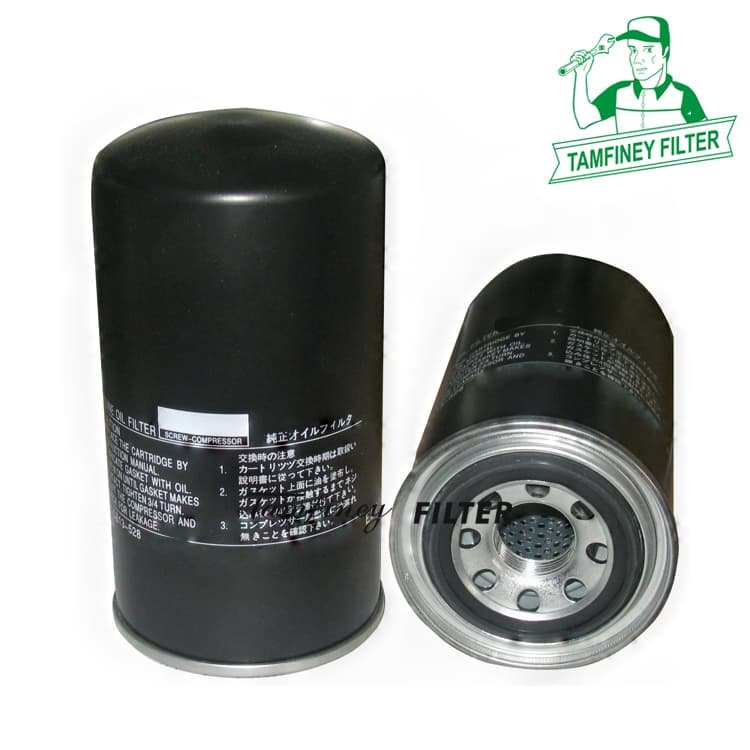


| Oil Filter 093-7521 0937521 093-7520 HF35018 HF6115 Parameter: | |
| Part Number | 093-7521 0937521 093-7520 HF35018 HF6115 |
| Brand | Tamfiney |
| Height | 173 mm |
| Outer Diameter | 94 mm |
| Inner Diameter/Thread Size | 1 1/8-16 UN |
| Minimum Order | 100 pcs |
| Place of Region: | Zhejiang, China |
| Payment Terms: | T/T |
| Price Terms: | FOB |
| Lead Time: | 30 to 50 days based on order quantities |
| Market Type: | After Market |
| Current Export Market: | North America, South America, Western Europe, Eastern Europe, Africa, Oceania |
Which equipment does 093-7521 fit?
CATERPILLAR 311 CU311 D LRR311 F LRR312 BL312 C312 D312 LN323 F323 FLN324 D324 DL/LN324 E/LN325 B325 B325 C325 CNL325 D325 F325 FL CR326 FL328 D-LCR328 D-LCR329 D329 D L/LN329 D LN329 E-LN330 B/BL330 BME330 C330 D L/LN330 F L/LN330 F L/LN335 F336 D336 D LN
KALMAR DCF 100-45DCF 70-40DCG 120-6DCG 127DCG 140DCG 150DCG 160-12TT 612 D
LIEBHERR LTC 1050-3.1LTR 1100-2.1R 920R 922R 924 C LITRONIC
VOGELE SUPER 1600-3ISUPER 1600-3ISUPER 1900-2SUPER 1900-3ISUPER 1900-3ISUPER 2100-3IVISION 5100-2VISION 5103-2VISION 5200-2VISION 5203-2
XCMG GR 215GR 215GR 215 AGR 215 AGR 2405XC 948 / EXC 958 EXD 123XE 150 EXE 160 WXE 220 E/ENXE 250 EXE 250 UXE 300 EXE 300 ENXE 300 UXS 123ZL 50 G
Premium CAT Hydraulic Filter 093-7521 0937521 093-7520 HF35018 HF6115
FAQ: Where should I place a hydraulic filter?
In hydraulic systems, choose filter locations carefully. Consider cleanliness needs, protection goals, and oil flow.
Install filters at the pump’s suction port. This stops large debris from entering the pump. Use a coarse filter like a mesh type. Ensure flow capacity is at least double the pump’s rate. Keep pressure drop below 0.01–0.035 MPa. Prevent air intake and cavitation risks.
Place filters in the pressure line after the pump. Protect sensitive parts such as servo or proportional valves. Use high-pressure, fine filters with 10–15 μm accuracy. Add a differential pressure alarm. Include a safety valve. Avoid system overload if the filter clogs.
Fit filters on the return line before oil reaches the tank. Capture wear particles from system operation. Return oil has low pressure. Choose a high-precision filter here. Parallel a one-way valve. It acts as a bypass if blockage occurs.
Set up a bypass circuit with an auxiliary pump. Add a filter to create an independent cleaning loop. Run continuous filtration without disrupting main flow. Ideal for large or high-precision systems.
For high-flow systems, use a branch line option. Mount a small filter on a side circuit. An example is the relief valve return path. This setup filters only part of the flow. It does not clean the entire stream fully.
Q: What are the main types of hydraulic filters?
1、 Classified by structural form
Mesh filter: using metal (such as copper or stainless steel) woven mesh as the filtering medium, with a simple structure, strong flow capacity, washable and reusable, suitable for coarse filtration occasions such as oil suction ports.
Wire gap filter: It uses small gaps formed by winding metal wires to filter impurities, with higher accuracy than mesh filters, and is commonly used in return oil circuits.
Paper filter : Using microporous filter paper as the filter material, the filtration accuracy is high (up to 1-10 μ m), but it cannot be cleaned and needs to be replaced regularly. It is mostly used for high-pressure fine filtration.
Burned filter: made of sintered metal powder, resistant to high pressure, corrosion, and high filtration accuracy, suitable for high-temperature and high-pressure precision filtration systems.
Magnetic filter: equipped with a built-in permanent magnet, specifically designed to adsorb ferromagnetic metal particles (such as iron filings), often used in combination with other types to enhance filtration efficiency.
2、 Classified by installation location and function
Suction strainer: installed at the oil suction port of the hydraulic pump, with low filtration accuracy (usually 80-150 μ m), mainly intercepting large particle impurities to prevent pump cavitation.
Pressure filter (high-pressure pipeline filter): installed in the high-pressure pipeline at the pump outlet, with high filtration accuracy (1-10 μ m), used to protect precision components such as servo valves and proportional valves.
Return oil filter: installed in the system return oil pipeline, with moderate filtration accuracy (10-20 μ m), capturing wear particles generated during system operation, and is one of the most effective links to control oil pollution.
Hydraulic Air Breather Filter: installed on the fuel tank cover, filters the inhaled air and injects new oil to prevent external pollutants from entering the system, while maintaining pressure balance inside and outside the fuel tank.
Question: Can I use an oil filter in place of a hydraulic filter?
Oil filters cannot be used as hydraulic filters. There are significant differences in design, performance, and application scenarios between the two, and forced substitution may lead to hydraulic system malfunctions or damage.
• Different purposes:
o The oil filter is used in the engine lubrication system, primarily to filter out impurities such as metal debris and carbon deposits from the engine oil.
o Hydraulic filters are used in hydraulic systems to specifically filter solid particles from hydraulic oil, protecting precision hydraulic components (such as pumps, valves, and cylinders).
• Different filtration precision:
o The hydraulic system has extremely high requirements for oil cleanliness, typically necessitating a high cleanliness level as per the ISO 4406 standard, with hydraulic filter elements achieving a filtration precision of 3–10 microns or even higher.
o The oil filter has relatively low filtration precision (typically 10–40 micrometers), which cannot meet the hydraulic system's requirements for removing fine particles.
• Differences in structure and pressure resistance:
o Hydraulic filters must withstand high pressure (up to 450 bar or even higher), featuring more robust housing and filter element structures, often employing stress-resistant media, coreless/labyrinth-free designs, and similar solutions.
o The working pressure of the oil filter is typically below 10 bar, and its structure cannot withstand the high-pressure environment of the hydraulic system.
• Different material compatibility:
o Hydraulic filters must be compatible with hydraulic fluids (such as petroleum-based, water-glycol, phosphate ester, etc.), and the sealing materials often use oil-resistant, high-temperature-resistant materials like fluororubber.
o The oil filter sealing components and filter media are designed for engine oil environments and may be incompatible with hydraulic oil, leading to seal failure or filter element deformation.
Risk statement
Using an oil filter instead of a hydraulic filter may result in:
• The filter element is clogged or ruptured, causing the hydraulic system to lose pressure;
• Deformation or leakage of the filter housing under high pressure;
• The contamination of hydraulic oil intensifies, accelerating the wear of precision components;
• System performance degradation or sudden failures pose safety hazards.


