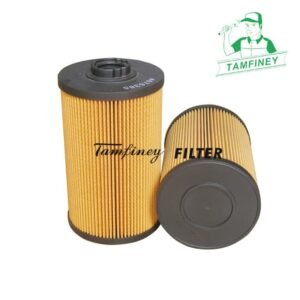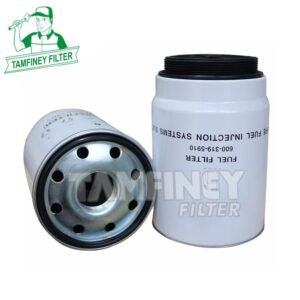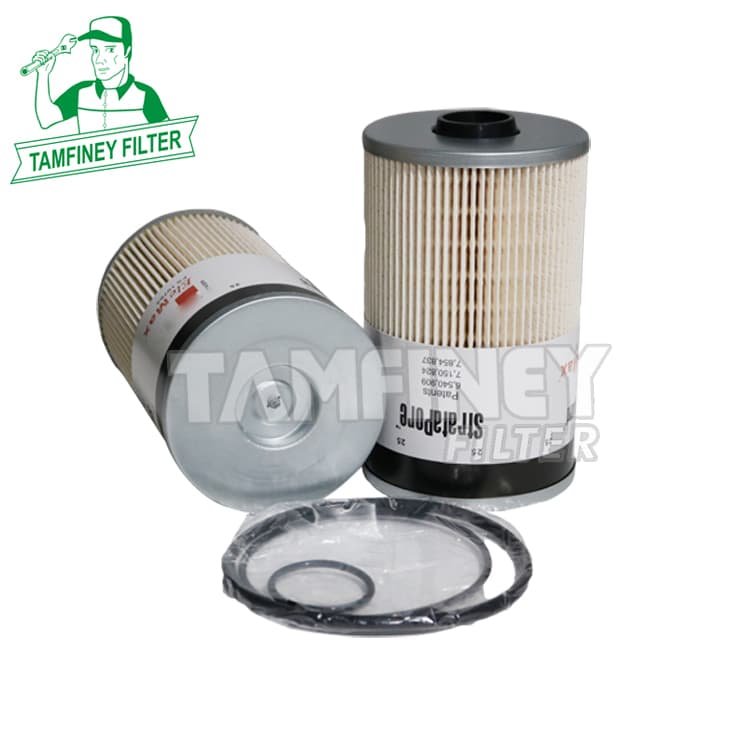


| Fuel Filter FS19765 382951PAC25 Parameter: | |
| Part Number | FS19765 382951PAC25 |
| Brand | Tamfiney |
| Weight | 411 g |
| Height | 173/180 mm |
| Outer Diameter | 106 mm |
| Inner Diameter | 17 mm |
| Minimum Order | 100 PCS |
| Place of Region: | Zhejiang, China |
| Payment Terms: | T/T |
| Price Terms: | FOB |
| Lead Time: | 30 to 50 days based on order quantities |
| Market Type: | After Market |
| Current Export Market: | Southeast Asian,North America, South America, Western Europe, Eastern Europe, Africa, Oceania |
Applications:
• CASE STX 535 QUADTRAC
• DRESSTA TD-25 M ExtraTD-25 R Extra
• SUNWARD SWDM 360
• VOLVO truck
Professional Aftermarket Fuel Filter FS19765 382951PAC25
Q: What material is FS19765 made of?
The material composition of FS19765 filter cartridge varies depending on specific components and design, mainly involving the following materials:
• Sealing components: Fluorine rubber rings and nitrile rubber rings can ensure good sealing performance and oil resistance.
• End cap: mostly made of metal material, fingerprint resistant 1.0 iron sheet, assembled by adhesive method, wrapped with kraft paper for protection or identification.
• Filter body: In applications such as fuel water separation, the filter paper is glass fiber material or composite paper from Hollingsworth&Vose, and the skeleton is stainless steel to provide filtering function and structural support.
These material combinations are designed to meet the requirements of filter cartridges in terms of durability, sealing, and filtration efficiency.
Q: What are common symptoms of problems with the FS19765 fuel water separator?
The fuel water separator is an important component in diesel engine vehicles, used to separate water and impurities from the fuel, ensuring the cleanliness of the fuel system. If the FS19765 fuel water separator malfunctions, common symptoms include the following:
Reduced engine performance: for example, unstable or weak acceleration, and even black smoke emissions. This is because moisture and impurities enter the fuel injector, causing wear or jamming, which affects the accuracy of fuel injection.
Carbon deposition problem: Damaged separators can allow impurities to enter the engine interior (such as intake valves and cylinders), accumulating over a long period of time to form carbon deposits, causing difficulty starting, unstable idling, increased fuel consumption, or excessive exhaust emissions.
White smoke from engine: Water vapor is produced after the combustion of water in the fuel, causing white smoke from the exhaust, which may be accompanied by the risk of insufficient power or sudden engine shutdown.
Other potential symptoms: In some cases, brake tremors or screaming may also occur, which may be related to water entering the brake system; Blue smoke indicates that engine oil may have mixed into the combustion chamber.
These symptoms not only affect the driving experience, but may also cause permanent damage to the engine. If your vehicle experiences the above issues, it is recommended to promptly check and maintain the fuel water separator.
Q: How do you drain water from a Davco fuel filter system using the FS19765 filter?
• Safety preparation and environmental settings: First, ensure that the vehicle engine is turned off and cooled down, and park the vehicle on a flat and safe surface. Prepare containers for collecting water and impurities, as well as any necessary tools such as wrenches or gloves, to prevent fuel leaks or environmental pollution.
• Positioning drainage points and drainage operations: DAVCO fuel filter systems are typically equipped with bottom drain valves or drain ports. Find the drain valve below the filter (which may have a knob, pull tab, or small cap) and ensure that the inlet and outlet ports on both ends of the filter are closed to prevent fuel leakage. Slowly unscrew or pull out the drain valve to allow water and impurities to flow out naturally until the discharged liquid is relatively clear. During the drainage process, the water flow can be observed to determine whether the drainage is complete.
• Inspection and maintenance after drainage: After drainage is completed, quickly tighten the drainage valve to ensure good sealing. Recheck if the inlet and outlet connections of the filter are secure, then start the engine, observe if the instrument panel is normal, and confirm that there are no leaks. Regularly check the status of the filter element. If severe pollution or damage is found, it should be replaced in a timely manner to maintain system efficiency.
If the DAVCO system has a special design (such as pressure drainage or electric drainage function), it is recommended to refer to the vehicle or filter manufacturer's guidelines, as these advanced features may require specific operating procedures.