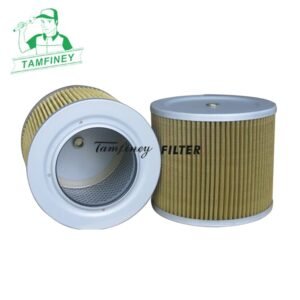


| Hydraulic Air Breather Filter 5801856862 504127720 LC19001 2527A1020 Parameter: | |
| Part Number | 5801856862 504127720 LC19001 2527A1020 |
| Brand | Tamfiney |
| Weight | 408 g |
| Height | 31/42 mm |
| Outer Diameter | 185.5/177.5 mm |
| Inner Diameter/ Thread Size | 74 mm |
| Minimum Order | 100 PCS |
| Place of Region: | Zhejiang, China |
| Payment Terms: | T/T |
| Price Terms: | FOB |
| Lead Time: | 30 to 50 days based on order quantities |
| Market Type: | After Market |
| Current Export Market: | Southeast Asian,North America, South America, Western Europe, Eastern Europe, Africa, Oceania |
Applications:
CASE 6130635701071208010Magnum 250 AFS Magnum 340 AFS ConnectMagnum 340 AFS Connect T4/STG5Magnum 355Magnum 380 AFS ConnectMagnum 380 AFS ConnectMagnum 400 AFS ConnectMagnum 400 AFS ConnectMagnum 405
FIAT IVECO CURSOR 87TE1DCURSOR 9 TIER III
NEW HOLLAND CR 9060 CSX 7060 CX 8080 CX 8.70 I3 CX 8.80 I3CX 8.80 I3-CCX 8.80 K3
Professional 5801856862 Crankcase Air breather filter 504127720 LC19001 2527A1020
Q: What does a crankcase breather filter do?
The core function of the crankcase breathing filter is to balance the pressure inside and outside the crankcase, filter out oil mist and impurities in the exhaust gas, prevent oil leakage and pollutant backflow, and assist in achieving exhaust gas recirculation and emission reduction.
- Air pressure balance: With the pressure fluctuations generated by the movement of the piston, timely intake of fresh air or discharge of blow by gas is necessary to avoid positive pressure causing oil leakage from the seal or negative pressure causing dust to be sucked in and damaging internal components.
- Oil gas separation and filtration: intercept and condense the oil vapor and tiny droplets in the exhaust gas, allowing them to flow back to the oil pan to reduce oil consumption, while filtering solid particles to prevent external pollutants from entering.
- Environmental protection and secondary combustion: Introduce the blow by gas containing unburned mixture into the intake system for further combustion, reducing the direct discharge of harmful gases into the atmosphere and meeting emission regulations.
- Protect seals: maintain a normal pressure environment to prevent accelerated aging or failure of oil seals and gaskets due to excessive pressure.
This component is different from an oil filter (filtering circulating oil) or an air filter (filtering intake air), and is specifically designed for the crankcase ventilation system (PCV). It needs to be cleaned or replaced regularly to prevent blockages from causing malfunctions.
Q: Is a crankcase breather necessary?
The crankcase breather filter is an essential functional component in modern internal combustion engines. Its absence can lead to pressure imbalances, oil leaks, oil degradation, and excessive emissions.
Core Conclusion
- Functional Necessity: Mandatory. During engine operation, piston blow-by raises the crankcase pressure. Without ventilation/filtration mechanisms, this can lead to oil seal leakage, oil emulsification and degradation, power loss, and even safety hazards.
- Regulatory Mandate: To comply with emission regulations (e.g., China VI, Euro standards), crankcase gases must not be directly discharged into the atmosphere but must be separated and filtered before being introduced into the intake for combustion, making the related filtration process indispensable.
Key Roles and Consequences of Absence
- Maintain pressure balance: Prevent positive pressure from causing oil leakage at seals and gaskets.
- Maintain oil quality: Remove water and acidic substances from the窜气 to prevent oil dilution, emulsification, or sludge formation.
- Environmental Compliance: Recycle hydrocarbons (HC) to participate in combustion and eliminate direct oil and gas emissions pollution.
- Safety risk: Severe blockage may cause excessive crankcase pressure, potentially leading to seal failure or backfire in extreme cases.
Q: Is a crank case breather the same as a PCV?
No, they are different.
Modern cars often use closed forced ventilation (PCV system), where oil and fuel separation and filtration are often integrated inside valve covers or pipelines, and there may not be an independent "breathing filter element"; Engineering machinery/some diesel engines are often equipped with independent replaceable filter respirators.