Get a Free Quote

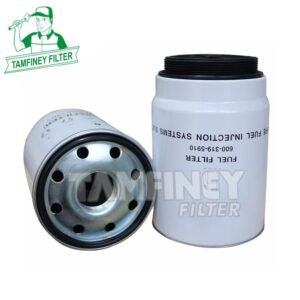
Professional 30 Micron Fuel Filter VG1092080052 PL421 1105050C50A FS36263 WG9925550202
Your Best 30 Micron Fuel Filter VG1092080052 PL421 1105050C50A FS36263 WG9925550202 Fuel filter manufacturer in China.
FAWTRUCK 1105050C50A FLEETGUARD FS36263, MANN PL421 PL421/1 PL481/4, SINOTRUK VG1092080052 WG9925550202 WG9925550202/1 WG9925550212/1 BF80421 CS1127F



| Fuel Filter VG1092080052 PL421 1105050C50A FS36263 WG9925550202 Parameter: | |
| Part Number | VG1092080052 PL421 1105050C50A FS36263 WG9925550202 |
| Brand | Tamfiney |
| Weight | 1206 g |
| Height | 240 mm |
| Outer Diameter | 111 mm |
| Inner Diameter/ Thread Size |
1" - 14 |
| Minimum Order | 100 PCS |
| Place of Region: | Zhejiang, China |
| Payment Terms: | T/T |
| Price Terms: | FOB |
| Lead Time: | 30 to 50 days based on order quantities |
| Market Type: | After Market |
| Current Export Market: | Southeast Asian,North America, South America, Western Europe, Eastern Europe, Africa, Oceania |
Applications:
SINOTRUK 336 SITRAK420 SITRAKHOWO T 5GHOWO T 7HMC 11
Professional 30 Micron Fuel Filter VG1092080052 PL421 1105050C50A FS36263 WG9925550202
Q: Is a 10 micron fuel filter good?
A 10 micron fuel filter has a high level of filtration accuracy and is a good choice for many vehicles, especially high-performance or diesel engine models. The following analysis is based on relevant information.
The significance of filtering accuracy
The filtration accuracy of a fuel filter (such as 10 microns) refers to the minimum particle size it can intercept. The higher the precision (the smaller the value), the better the filtering effect, which can effectively remove impurities in the fuel and protect the precision components of the engine. A precision of 10 microns is particularly important for high-performance cars, diesel engines, or direct injection vehicles, as their engines have strict requirements for fuel cleanliness, which can reduce wear, improve combustion efficiency, and power output. Compared to the commonly used 20 micron precision in ordinary family cars, 10 microns can provide more reliable protection, but it is necessary to ensure that fuel circulation is not affected.
Applicable scenarios and precautions
* High performance vehicles: Turbocharged or high-pressure common rail diesel engines typically recommend filters with a precision of 10 microns or lower to address impurity sensitivity under high load conditions.
* Diesel engine: Generally requires an accuracy of 10-20 microns, and the 10 micron model can effectively separate moisture and particles to avoid nozzle blockage.
Suggestion for selection: It is recommended to choose according to the vehicle manual to avoid excessive pursuit of high precision leading to insufficient fuel supply. Regular replacement (such as every 20000-30000 kilometers) is key to maintaining effectiveness.
Q: Is a 30 micron fuel filter good?
A 30 micron fuel filter has a moderate level of filtration accuracy, and whether it is "good" depends on the specific application scenario and requirements. The filtration accuracy of a fuel filter (in micrometers) represents the minimum particle size it can filter. 30 micrometers means it can effectively intercept impurities with a diameter greater than 30 micrometers, such as dust, rust, etc. This precision is common in general vehicle fuel systems, providing basic protection to prevent large particle impurities from damaging fuel injectors or fuel pumps. However, for high-performance engines or environments that require high fuel cleanliness, such as diesel engines, higher precision filters (such as 10-20 microns) may be needed to ensure optimal performance.
In practical selection, it is also necessary to consider the compatibility of the filter, brand quality, and vehicle usage conditions. For example, some well-known brands offer products with a precision of 30 microns, balancing filtration efficiency and durability.
Q: Which is better cellulose or micro glass fuel filter?
Cellulose and micro glass (usually referring to glass fiber) fuel filters each have their own characteristics, and the choice of which one is better depends on the specific application requirements and usage environment.
• Filtration accuracy: Fuel filters made of fiberglass material usually have higher filtration accuracy and can capture smaller impurity particles, making them suitable for scenarios that require high fuel cleanliness, such as high-performance engines. The filtration accuracy of cellulose material is relatively low, but it is sufficient to meet the daily needs of ordinary household cars.
• Durability and mechanical strength: Cellulose filter cartridges generally have lower costs and better flexibility, but may not be as durable as fiberglass in harsh working conditions; Fiberglass material is more resistant to high temperatures and chemical corrosion, making it suitable for long-term stable operation. For example, cellulose is commonly used for pleated economical filter cartridges, while fiberglass performs better in heavy-duty equipment.
• Applicable scenarios: If pursuing ultimate filtering effect and having sufficient budget, fiberglass filters are more suitable; If cost-effectiveness and general filtration needs are emphasized, cellulose filters are a common choice. In addition, cellulose can also adapt to specific working conditions after special treatment (such as oil-water separation).
In short, there is no absolute superiority or inferiority, and a comprehensive judgment should be made based on the vehicle type, fuel quality, and usage conditions. What is suitable is the best!