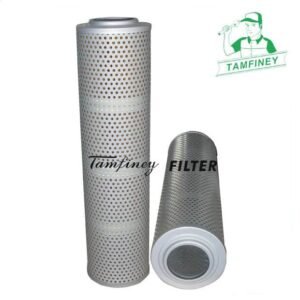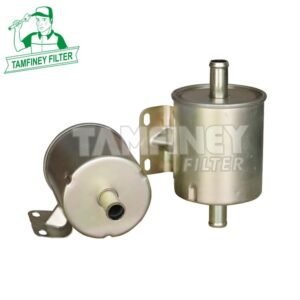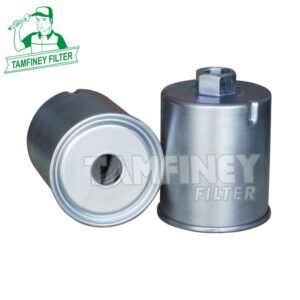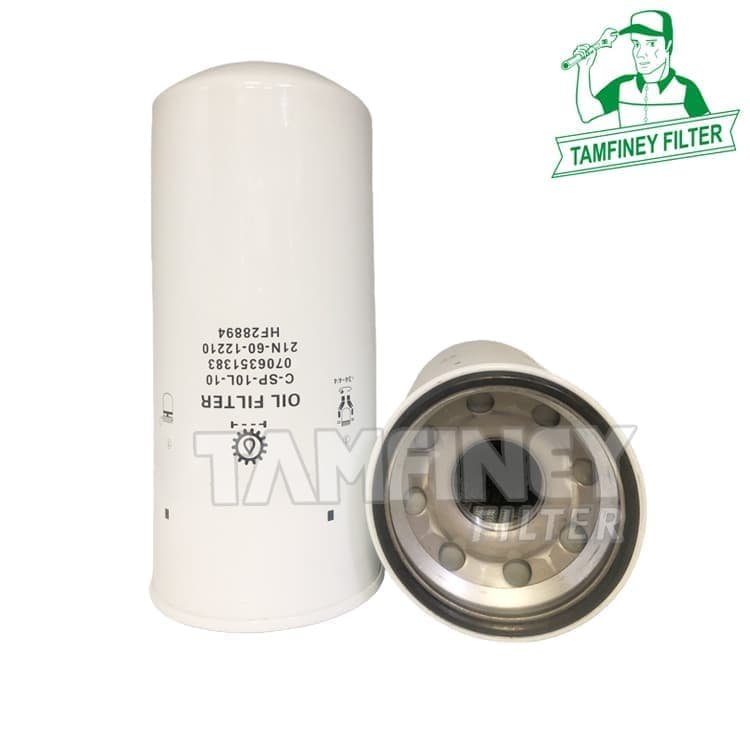



| Hydraulic Filter 21N-60-12210 21N-60-12211 21N6012210 HF28894 Parameter: | |
| Part Number | 21N-60-12210 21N-60-12211 21N6012210 HF28894 |
| Brand | Tamfiney |
| Weight | 1780g |
| Height | 289 mm |
| Outer Diameter | 127 mm |
| Inner Diameter/ Thread Size | M48x2 |
| Material | Metal & Glass fiber |
| Filter Media | Glass fiber with mesh blend |
| Casing | Painted steel outer body with perforated steel internal support |
| Typical Working Pressure | Up to approx. 6–10 bar |
| Filtration | Approx. 5–10 micron |
| Temperature Rating | Up to approx. 100–120°C |
| Minimum Order | 100 PCS |
| Place of Region: | Zhejiang, China |
| Payment Terms: | T/T |
| Price Terms: | FOB |
| Lead Time: | 30 to 50 days based on order quantities |
| Market Type: | After Market |
| Current Export Market: | Southeast Asian,North America, South America, Western Europe, Eastern Europe, Africa, Oceania |
Applications:
- IHI Excavators: IHI 65 VX
- Komatsu Excavators & Loaders: PC1250-7, PC1250-8, and PC1250LC-8 excavators, plus WA600 series wheel loaders.
- Komatsu construction and mining equipment (including D61EX-12, D61PX-12, PC1000, PC1100, and PC1250 series)
Professional 21N-60-12210 21N-60-12211 21N6012210 Hydraulic Filter HF28894
Q: How often should spin-on hydraulic filters be replaced?
The replacement cycle of spin-on hydraulic filters is usually every 2000 hours of operation or every 6 months (whichever comes first), and the specific time needs to be adjusted according to the equipment type, operating load, and oil condition.
Reference cycles for different equipment and operating conditions
General industrial hydraulic equipment: usually replaced every 2000 hours or 6-12 months.
Construction machinery (such as excavators, loaders):
- High load operations (such as installing crushers, vibration hammers, etc.): The system load is extremely high, and the return oil filter element, pilot filter element, etc. need to be replaced every 100-250 hours.
- Adverse environments (such as steel mills, dust/high-temperature workshops): It is not recommended to replace according to time rigidly. It is recommended to regularly take hydraulic oil samples for testing, and determine the reasonable replacement timing based on the oil cleanliness test results or pressure difference alarm.
Q: How does a spin-on filter work?
The core of a spin-on filter is to allow fluid to pass through the filter element and intercept impurities, while ensuring uninterrupted oil supply through check valves and bypass valves. The most common is the rotary oil filter, which can be disassembled into three steps throughout the entire working process:
🔧 During normal filtration
The oil pump presses the oil with impurities into the inlet holes around the casing, passes through the check valve, and reaches the outside of the filter paper. Under pressure, the oil passes through the filter paper, intercepting impurities such as metal shavings, carbon deposits, and dust. Clean engine oil flows out of the central pipe and enters the engine lubrication system.
🛡️ Two key protective valves
- Check valve: It closes after the engine is turned off to prevent the oil in the filter from flowing back to the oil pan, ensuring that the next cold start can quickly establish oil pressure and avoid dry grinding.
- Bypass valve: When the filter paper is severely clogged or the oil is too viscous due to low temperature, the pressure difference will push open the bypass valve, allowing unfiltered oil to directly enter the engine. This is a case of 'choosing the lighter of the two harms' - lubrication interruption causes greater damage to the engine than insufficient oil cleanliness.
🔄 Maintenance Method
The rotary type is designed for overall replacement, with only one sealing point. It can be disassembled and assembled by rotating, providing better sealing and reliability.