Get a Free Quote

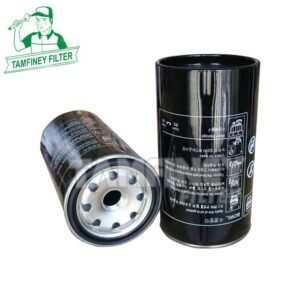
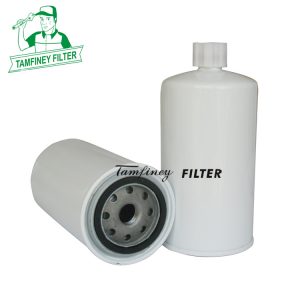
Professional Water Separator Cartridge PF1291 EHS3030007 FS1286 P550547
Your Best Water Separator Cartridge PF1291 EHS3030007 FS1286 P550547 Fuel filter manufacturer in China.
BALDWIN-PF1291 CIMTEK EHS3030007 ; FLEETGUARD-FS1286 Donaldson P550547


| Fuel Filter PF1291 EHS3030007 FS1286 P550547 Parameter: | |
| Part Number | PF1291 EHS3030007 FS1286 P550547 |
| Brand | Tamfiney |
| Weight | 750g |
| Height | 233mm |
| Outer Diameter | 115mm |
| Inner Diameter/ Thread Size |
13/28mm |
| Minimum Order | 100 PCS |
| Place of Region: | Zhejiang, China |
| Payment Terms: | T/T |
| Price Terms: | FOB |
| Lead Time: | 30 to 50 days based on order quantities |
| Market Type: | After Market |
| Current Export Market: | Southeast Asian,North America, South America, Western Europe, Eastern Europe, Africa, Oceania |
Applicaitons:
Professional Water Separator Cartridge PF1291 EHS3030007 FS1286 P550547
Q: What is the purpose of a water separator?
The fuel water separator can separate the moisture in the fuel before it enters the engine fuel injection pump, to ensure the purity of the fuel. The core principle is to use the density difference between water and fuel to remove moisture through gravity settling and other methods, thereby avoiding the negative impact of moisture on the fuel system.
Specific uses include:
• Improve combustion efficiency: After separating moisture, fuel can burn more fully in the engine cylinder, which helps to improve engine power output and fuel economy.
• Protect engine components: reduce the risk of fuel nozzle blockage and high-pressure fuel pump wear caused by moisture, and extend the service life of the engine.
• Filter impurities: Some fuel water separators also have the function of filtering solid impurities to further purify the fuel.
• Adapting to diesel demand: In diesel engines, a fuel water separator is particularly important because diesel is more sensitive to moisture and can effectively prevent problems such as injector jamming caused by moisture.
The fuel water separator is a common type of fuel filter, and its working process usually includes removing impurities from the filter layer, decomposing oil-water emulsions in the demulsification layer, and finally discharging the separated water through a drain valve.
Q: Can you reuse a water separator filter?
NO. The fuel water separator isn’t designed for reuse. It works by using density differences to separate water and impurities through gravity settling, filtration, and agglomeration. Water and sediment collect at the bottom and must be drained regularly to keep the system efficient.
Reusing a filter without cleaning or replacing it can let residual moisture, impurities, or pollutants back into the fuel system. This reduces filtration efficiency and may cause corrosion or blockages in engine parts. Over time, filter elements like coalescing filters can wear out or clog, hurting separation performance and increasing fuel flow resistance.
Follow the manufacturer’s recommended replacement cycle—usually every 8,000 to 10,000 kilometers, but adjust based on actual use. Also, make it a habit to check and drain the water at the separator’s bottom to keep the system running smoothly.
Q: How often should a water separator be changed?
The replacement cycle of the fuel water separator is not fixed, and usually you can replace it when the vehicle has been driven for 8000 to 10000 kilometers. However, specific adjustments need to flexibly based on factors such as fuel quality, usage environment, and vehicle frequency.
Regular replacement cycle
The main function of the fuel water separator is to filter out moisture and impurities in the fuel, protecting the engine. In most cases, manufacturers recommend replacing it every 8000 to 10000 kilometers of driving. If the vehicle uses high-quality fuel and the road conditions are good, the cycle can appropriately extended to 12000 to 15000 kilometers; On the contrary, if the fuel quality is poor or the environment is harsh, it needs to shorten to 5000 to 8000 kilometers.
Key factors affecting replacement cycle
1. Fuel quality: High quality fuel with fewer impurities can extend the replacement cycle; Poor quality fuel will accelerate the wear and tear of the separator, and it needs to be replaced in advance.
2. Operating environment: Damp, dusty, or extreme weather conditions (such as low temperatures and sandstorms) can increase the burden on the separator. It is recommended to shorten the cycle.
3. Vehicle usage frequency: Vehicles that are frequently used (such as taxis) need to be replaced more frequently; Even if the mileage of a low-frequency private car does not meet the standard, it should be inspected once a year.
4. Equipment quality: High quality fuell water separators have stronger durability, and the replacement cycle can be appropriately extended.
Timing judgment and precautions for replacement
Warning light prompt: When the cone-shaped water droplet symbol appears on the dashboard, it indicates that the separator may be faulty and needs to be repaired immediately.
Regular inspection: Check the status of the separator during each maintenance. If the filter element is clogged or there is serious water accumulation, it should be replaced in a timely manner.
Risk of not replacing: Failure to replace in a timely manner may result in water entering the engine, exacerbating cylinder corrosion, blocking the common rail system, and even causing fuel injector failure, shortening engine life.
In summary, the replacement of fuel water separators should be based on the actual usage of the vehicle and strictly follow the manufacturer's recommendations to ensure efficient engine operation.