Get a Free Quote

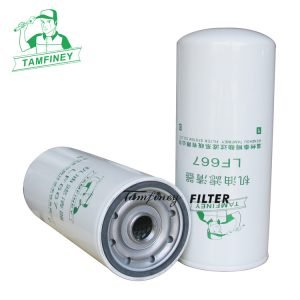
Superior Volvo Penta Oil Filter 21707132 21707135 477556 20843764 OC282
Your best Volvo Penta Oil Filter 21707132 21707135 477556 20843764 OC282 Oil filter manufacturer in China.
Volvo 21707132 21707135 477556 20843764 OC282 VOLVO-471392 ,477556 ,85114048 ,119962280 ,V477556 477556-5 471392 KALMAR 924548.0519 BOSCH 0451300003 ATLAS COPCO 2914960300



| Oil Filter 21707132 21707135 477556 20843764 OC282 Parameter: | |
| Part Number | 21707132 21707135 477556 20843764 OC282 |
| Brand | Tamfiney |
| Height | 263 mm |
| Outer Diameter | 109 mm |
| Inner Diameter/Thread Size | 1 3/8-16 UN |
| Minimum Order | 100 pcs |
| Place of Region: | Zhejiang, China |
| Payment Terms: | T/T |
| Price Terms: | FOB |
| Lead Time: | 30 to 50 days based on order quantities |
| Market Type: | After Market |
| Current Export Market: | North America, South America, Western Europe, Eastern Europe, Africa, Oceania |
Application:
VOLVO 25 GA 30 GA 35 FA 35 F-FSA 35 GA 35 G-FSA 40 EA 40 FA 40 F-FSA 40 GA 40 G-FSA 45 GA 60 HB 11 RB 11 RB 11 RB 11 RB 11 RB 11 RB 11 RB 11 RD 11 FD 11 FD 11 K-330/SCRD 11 K-380/SCRD 11 K-430/SCRD 11 K-460/SCRD13H-AD13H-BD13JD13JD 13 K-420/SCRD 13 K-460/SCRD 13 K-500/SCRD 13 K-540/SCRD16H-AD16H-BD 16 JDD 16EC 370 FEC 380 EEC 380 EEC 380 E HybridEC 400 F
VOLVO-PENTA MARINE D 13 B-E MHD 13 B-N MHD 16 C-DD 9 AZAMGTAD 1341 GETAD 1342 GETAD 1343 GETAD 1350 GETAD 1351 GETAD 1352 GE
WELLINK CAESAR DUTCH DRAGON EC 10075
Superior Volvo Penta Oil Filter 21707132 21707135 477556 20843764 OC282
Q: Which is better synthetic blend or cellulose oil filter?
Cellulose oil filters usually refer to filtration products based on cellulose materials (such as mixed cellulose ester membranes), widely used for liquid or gas filtration, with high porosity and good flow interception effect, but poor resistance to strong acids and alkalis. Synthetic blend filters may involve synthetic fibers or composite materials, which perform better in terms of cost and performance balance.
Characteristics of cellulose filters
Cellulose material (such as mixed cellulose ester, MCE) filters are suitable for filtering aqueous or organic phases, with high flux and low leaching, but limited chemical stability and are not suitable for extreme environments. In the field of oil filtration, cellulose filter materials are commonly used in fuel or hydraulic systems to effectively intercept impurities, but their durability may not be as good as synthetic materials.
Advantages of Synthetic Mixture Filters
Synthetic blend filters (such as synthetic fiber materials) combine the characteristics of low cost and good filtration performance, with a large filtration area and high arrangement density, making them suitable for long-term use. In contrast, they perform better in high temperature resistance and corrosion resistance, especially suitable for heavy-duty engines or high-pressure hydraulic systems.
Selection suggestion
Cellulose filter: suitable for scenarios where chemical compatibility is not high and initial cost is important, such as general hydraulic filtration.
Synthetic mixture filter: More suitable for harsh environments such as high temperature and high pressure, it can provide longer lasting filtration effect, but the cost may be higher.
Q: How many microns should my oil filter be?
The oil filter's filtration accuracy (in micrometers) must match your vehicle type and engine traits. A common range for this accuracy is 5 to 50 micrometers. Different accuracies cater to varying protection needs.
Choosing the right filtering accuracy primarily depends on vehicle type. For ordinary naturally aspirated engine cars, like most family vehicles, 20-40 microns work well. This range effectively catches large impurities such as metal debris and dust. It balances protection and cost efficiently.
Turbocharged models need high-precision filters, typically 5-20 microns. These filters capture finer particles to reduce wear on precision parts like turbochargers. Such engines run at high temperatures and speeds, creating more complex impurities.
High-performance or heavy-duty vehicles may require 25-50 micron filters or higher. This adapts to harsh operating conditions they often face.
When selecting, consider multiple factors. Higher filtration accuracy isn't always better. Excessive accuracy can raise the risk of filter blockage. It may also affect oil flow, so balance efficiency and flow resistance.
Ensure the filter's physical specs (size, interface) fit your vehicle model. Always check the vehicle maintenance manual first. Consult a professional technician for guidance if needed.
Q: When should you not use full synthetic oil?
Although fully synthetic engine oil is known for its high performance, it is not suitable for all vehicles and usage scenarios. In the following situations, using fully synthetic engine oil may bring risks or waste, and should be treated with caution.
For high mileage or old vehicles, the clearance between internal engine parts increases after wear, and fully synthetic engine oil (especially low viscosity models) may be difficult to form effective seals at the worn parts due to its strong fluidity, resulting in increased oil consumption, "oil burning" phenomenon or oil seal leakage. For example, when vehicles over ten years old or over 150000 kilometers use low viscosity fully synthetic engine oil such as 0W20, the crankshaft oil seal and other parts are prone to leakage.
Small displacement naturally aspirated car models (such as economy sedans with a displacement of ≤ 1.6L) are usually sensitive to oil viscosity. If the viscosity grade of fully synthetic engine oil does not match the original factory requirements, it may cause cold start noise, increased fuel consumption, or insufficient lubrication. For example, when Honda Fit uses high viscosity fully synthetic engine oil, fuel consumption may increase by 15%.
Short distance frequent start stop scooters
(with an annual mileage of less than 10000 kilometers) have a short driving distance, making it difficult for the engine to reach a stable operating temperature. The oil acidification rate is fast, and the long-term advantages of fully synthetic engine oil cannot be fully utilized. Instead, it may accumulate carbon or acidic substances due to a long oil change cycle. At this time, semi synthetic engine oil is more economical and practical.
Specific high-performance or special-purpose vehicles must be selected strictly according to the manual requirements. Blindly using them may backfire. For example, although turbocharged engines are suitable for fully synthetic engine oil, if the viscosity or certification does not meet the standards (such as non original factory certification), it may accelerate oil seal corrosion; However, supercars and other models need to be matched with specific high viscosity fully synthetic engine oil (such as 0W50), and ordinary fully synthetic engine oil may not be able to meet extreme working conditions.
When choosing engine oil, priority should be given to referring to the specification recommendations in the vehicle maintenance manual, and a comprehensive judgment should be made based on the actual vehicle condition, driving frequency, and environmental conditions to avoid increasing maintenance costs or damaging the engine due to incorrect selection