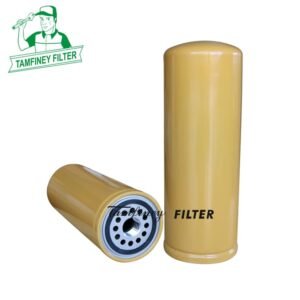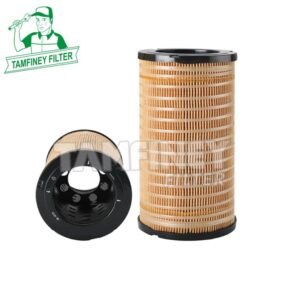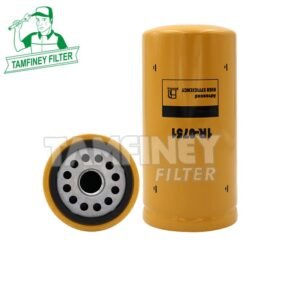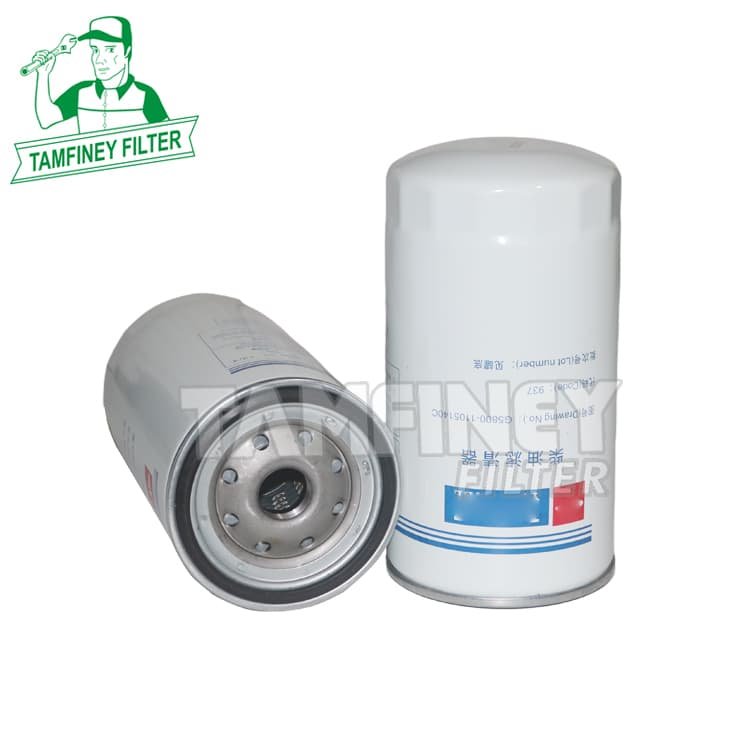


| Fuel Filter VG1540080110 BF9844 FC-55240 Parameter: | |
| Part Number | VG1540080110 BF9844 FC-55240 |
| Brand | Tamfiney |
| Weight | 935 g |
| Height | 210 mm |
| Outer Diameter | 108 mm |
| Inner Diameter/ Thread Size | 1"-14 UN |
| Minimum Order | 100 PCS |
| Place of Region: | Zhejiang, China |
| Payment Terms: | T/T |
| Price Terms: | FOB |
| Lead Time: | 30 to 50 days based on order quantities |
| Market Type: | After Market |
| Current Export Market: | Southeast Asian,North America, South America, Western Europe, Eastern Europe, Africa, Oceania |
Applications:
- SINOTRUK D 10-12D 10.27D 10-34D 10-38HOWO 420WD 615.92WD 615.95ZZ 1257 M4347CZZ 1316 M4669FZZ 187 M3517N1BZZ 4187 M3517N1BZZ 4187 N3517CZZ 4187 N3517HZZ 4257 N25C7N1B
Professional Sinotruk Howo Fuel Filter VG1540080110 BF9844 FC-55240
Q: How to clean a fuel filter?
To clean a fuel filter, it is necessary to determine its type firstly. Fuel filters that can be cleaned should be soaked in cleaning agents and lightly brushed to ensure complete dryness, while those that cannot be cleaned should be replaced directly.
Cleaning steps
1. Prepare tools: specialized cleaning agent, soft bristled brush, clean container, protective gloves.
2. Disassemble the filter: Turn off the fuel supply, locate the filter position, carefully disassemble it with a wrench, and collect residual fuel.
3. Immersion cleaning: Soak the filter in a specialized cleaning agent for 15-20 minutes to fully dissolve impurities.
4. Gently brush dirt: Use a soft bristled brush to gently scrub the inner and outer surfaces of the filter element, moving gently to avoid damaging the structure of the filter element.
5. Drying treatment: After cleaning, blow dry with compressed air to ensure that the filter is completely dry and prevent residual moisture from affecting the fuel system.
6. Installation reset: Reinstall the cleaned filter to its original position, ensuring that the connection is tight, and start the engine to check for leaks.
Precautions
• Type judgment: First confirm whether the filter can be cleaned. Non washable filters should be replaced directly when they reach their service life or have problems.
• Cleaning risk: If the inside of the filter is too dirty, cleaning may not be thorough, and particulate matter may flow into the fuel rail and block the fuel injector. In this case, it must be replaced.
• Alternative methods: Some repair shops use carburetor cleaner to spray from the oil inlet, shake the filter left and right, and then pour out the cleaner, or blow it out with an air gun.
• Regular maintenance: It is recommended to clean the diesel engine fuel filter every 100-200 hours of operation. If the filter element is broken, it should be replaced immediately.
Q1: What does a fuel filter do?
The core function of a fuel filter is to filter out impurities and moisture in the fuel, providing clean fuel for the engine and ensuring smooth operation of the fuel system. Its main functions are reflected in the following aspects:
• Filtration and purification: Remove solid impurities such as iron oxide, dust, and gum from the fuel to prevent fuel system blockage, especially to protect the fuel injectors.
• Protect components: prevent impurities and moisture from entering the engine, reduce mechanical wear of precision components such as fuel pumps and injectors.
• Enhance performance: Ensure stable engine operation, improve combustion efficiency, reduce carbon buildup, and thus extend engine lifespan.
Regularly replacing the fuel filter can prevent power loss or fuel consumption surge caused by blockage, and is a key measure to maintain engine health.
FAQ: What are the signs of a bad fuel filter?
Identifying bad fuel filters can be comprehensively judged from multiple aspects such as appearance, material, structure, brand, and performance.
Appearance and workmanship
• Authentic features: clear printing on the shell, neat fonts, good paint texture, no burrs, and complete packaging.
• Poor quality features: blurry surface printing, rough fonts, easy paint peeling, thin or deformed shell.
Internal structure and key components
• Bypass valve:
The genuine product is equipped with a reliable bypass valve, which can ensure fuel circulation when the filter element is clogged;
Poor quality products often lack bypass valves or have simple structures, which can easily lead to oil supply interruptions.</p>
The genuine product has a stable backflow design to prevent fuel backflow after stalling;
Poor quality products have this feature missing or unreliable.
• Filter element material:
Authentic products use professional filter paper, with uniform pores and high filtration accuracy;
Poor quality filter paper is loose or too dense, and even cotton pulp paper is used, resulting in poor filtration effect.</p>
• Base gasket:
The genuine product is made of high-quality oil resistant rubber, which is resistant to high temperatures and has good sealing performance;
Poor quality gaskets have poor material and are prone to oil leakage and even fire under high temperature and pressure.</p>