Get a Free Quote
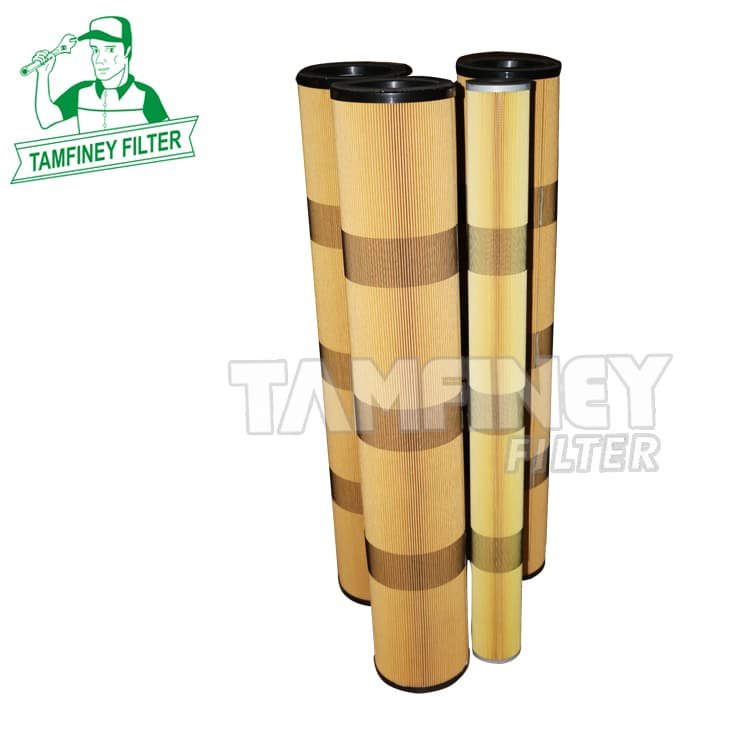
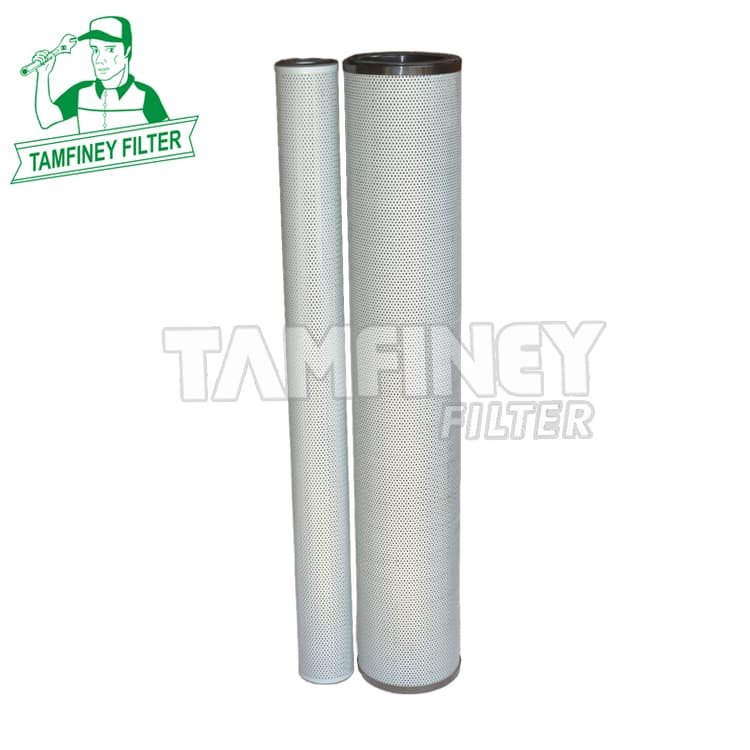
Performance Separator Filter HOCP-44825 HSP-44425 HOCP44825 HSP44425
Your best Separator Filter HOCP-44825 HSP-44425 HOCP44825 HSP44425 fuel filter manufacturer in China.
Parker HOCP-44825 HSP-44425 HOCP44825 HSP44425



| Coalescer Filter HOCP-44825 HSP-44425 HOCP44825 HSP44425 Parameter: | |
| Part Number | HOCP-44825 HSP-44425 HOCP44825 HSP44425 |
| Brand | Tamfiney |
| Weight | 8250 g |
| Height | 1128 mm |
| Outer Diameter | 195 mm |
| Inner Diameter/ Thread Size |
142 mm |
| Minimum Order | 20 PCS |
| Place of Region: | Zhejiang, China |
| Payment Terms: | T/T |
| Price Terms: | FOB |
| Lead Time: | 30 to 50 days based on order quantities |
| Market Type: | After Market |
| Current Export Market: | North America, South America, Western Europe, Eastern Europe, Africa, Oceania |
Applicate Engine:
• Marine Parker RVFS-3
Performance Separator Filter HOCP-44825 HSP-44425 HOCP44825 HSP44425
Q: What is a separator filter?
A separator filter is an industrial device that removes solid particles, droplets, or oil from gases, liquids, or gas-liquid mixtures. It purifies and separates materials effectively.
The core principle relies on physical separation. Common methods include filter interception, centrifugal force, and gravity settling. For example, in compressed air systems, an oil-gas separator uses ultra-fine glass fiber to condense oil mist, achieving ≤6ppm oil content. In natural gas processing, a filtration separator removes water and solids through coalescence, demulsification, and water-repellent interception.
There are several types based on application and principle. A filter separator provides high-precision purification for aviation fuel and chemical raw materials, using a metal shell and coalescing filter structure. A gravity separator achieves gas-liquid or oil-water separation via gravity, commonly used in oilfield production. A filter centrifugal separator accelerates solid-liquid separation with centrifugal force, ideal for solid-containing suspensions. A gas-water separator is designed for coal mine gas pipelines to remove moisture.
In industry, separator filters are widely used. They ensure compressed air quality in air compressor systems, process raw materials in oil and gas extraction, and handle gas-solid separation in power plants. For maintenance, regularly check the pressure difference, replace the filter element, or clean accumulated fluid to ensure stable operation.
Q: What is the function of a separator?
A separator is an industrial equipment based on physical or chemical principles, whose core function is to separate different components or phases (such as gas, liquid, solid) in a mixture to achieve purification, recovery, or process optimization of substances.
In the oil and gas industry, separators are mainly used to process three-phase mixtures of oil, gas, and water. Through mechanisms such as gravity settling, centrifugal force, or pressure control, they efficiently separate oil, gas, and water, reduce subsequent equipment wear, and improve crude oil quality; For example, a three-phase separator maintains phase stability by regulating valves through a liquid level controller, while a hot high-pressure separator achieves gas-liquid separation under high temperature and pressure in a hydroprocessing unit.
In the field of compressed air systems or engines, separators (such as oil and gas separators) use density difference or filtration technology to remove oil particles from the gas, reduce emissions and protect the environment, while improving equipment efficiency.
In the fields of power and environmental protection, separators are used for gas-solid separation. For example, cyclone separators capture dust particles through centrifugal force (with an efficiency of up to 90% -98%), while steam water separators improve steam dryness to ensure safe boiler operation; Liquid liquid separators are widely used in the chemical, pharmaceutical, and environmental industries to separate immiscible liquids (such as oil-water separation) based on density differences.
In refrigeration or synthesis processes, separators ensure effective separation of gas-liquid phases. For example, gas-liquid separators after evaporators in refrigeration systems can improve cooling efficiency, while ammonia separators in synthetic ammonia systems can increase raw material conversion rates.
Q: What micron filter is best for fuel?
The filtration accuracy of fuel filters (in micrometers) needs to be determined comprehensively based on factors such as engine type, working pressure, and fuel system design. There is no unified "most suitable" value because the requirements for impurity tolerance and fuel circulation vary significantly in different application scenarios.
The filtering accuracy range of common application scenarios is as follows: the filtering accuracy of ordinary family cars (such as naturally aspirated engines) is usually around 20 microns, which can effectively balance impurity filtering and fuel supply; High performance gasoline engines (such as turbocharged or direct injection) have stricter requirements, with precision ranging from 5 to 20 microns, commonly 10 microns or lower, to protect precision fuel injectors; Diesel engines (especially high-pressure common rail systems) are sensitive to moisture and impurities, with a filtration accuracy generally ranging from 1 to 10 microns, and some high-end systems require a filtration accuracy of less than 1 micron; Special equipment such as aviation fuel filters have wider standards, typically ranging from 5 to 75 microns.
When choosing a filter, it should be noted that the higher the filtering accuracy, the better. Excessive accuracy may hinder fuel flow and increase replacement frequency. Therefore, priority should be given to referring to the technical specifications of the vehicle manufacturer to ensure compatibility with the fuel system.