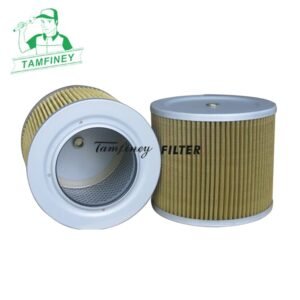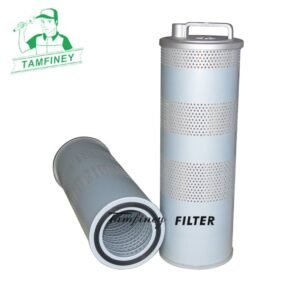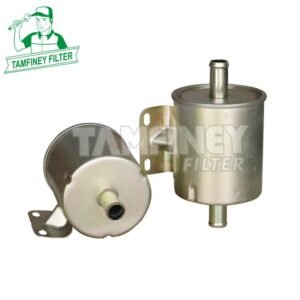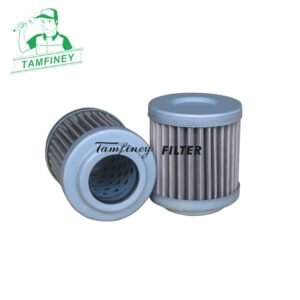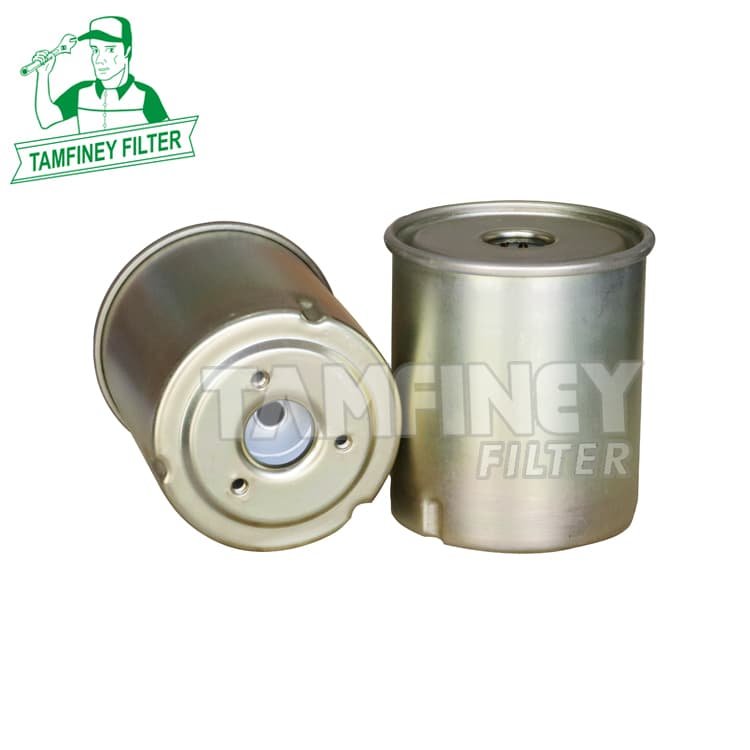



| Hydraulic Filter 67503-U2170-71 67503-23321-71 37HN-30070 Parameter: | |
| Part Number | 67503-U2170-71 67503-23321-71 37HN-30070 |
| Brand | Tamfiney |
| Weight | 476g |
| Height | 125 mm |
| Outer Diameter | 108 mm |
| Inner Diameter/ Thread Size | 27mm |
| Minimum Order | 100 PCS |
| Place of Region: | Zhejiang, China |
| Payment Terms: | T/T |
| Price Terms: | FOB |
| Lead Time: | 30 to 50 days based on order quantities |
| Market Type: | After Market |
| Current Export Market: | Southeast Asian,North America, South America, Western Europe, Eastern Europe, Africa, Oceania |
Applications:
TOYOTA
02-7 FDF 1502-7 FDF 1802-7 FDF 2502-8 FGF 2542-7 FGF 1842-7 FGF 2562-7 FDF 2562-7 FDF 30
Professional Replacement Hydraulic Filter 67503-U2170-71 67503-23321-71 37HN-30070
Q: Is there a difference between a hydraulic filter and an oil filter?
There is a fundamental difference between hydraulic filters and oil filters: the former serves the hydraulic transmission system, while the latter serves the engine lubrication system . The two are not interchangeable in terms of application scenarios, pressure resistance requirements, filtration accuracy standards, and replacement logic.
Comparison of core differences
- System and Function: The oil filter is located inside the engine, filtering out metal debris and carbon deposits in the circulating oil, and protecting the crankshaft, camshaft, and other moving pairs; Hydraulic filters are located in the hydraulic circuits of construction machinery or vehicles, filtering out particle contamination in hydraulic oil and protecting precision components such as pumps, valves, and cylinders from jamming or wear.
- Work pressure and structure: Oil filters usually withstand low pressure, and are often of the rotary type with built-in bypass valves to prevent blockage during cold start; Hydraulic filters need to withstand extremely high system pressures , with a more robust structure. They are divided into suction, pressure, and return types according to their installation positions, and some do not have bypass designs.
- Filtering accuracy and standards: The oil filter focuses on full flow filtration and pollutant holding capacity, and testing follows automotive standards such as ISO 4548; Hydraulic filters have extremely strict requirements for cleanliness level and efficiency is often measured by beta ratio. The filtration accuracy range is wider, and it needs to comply with multi pass test standards such as ISO 16889.
- Media and compatibility: The oil filter is only compatible with engine lubricating oil; Hydraulic filters need to be compatible with multiple working fluids, and have higher requirements for the chemical compatibility of sealing materials and filter elements.
Q: Will water clog a hydraulic filter?
Water usually does not directly physically clog hydraulic filters like solid particles, but it can indirectly cause the loss of filter permeability and "clogging" through emulsification, generation of sludge or ice crystals, and lead to more serious system failures.
Core mechanism and consequences
- Indirect blockage principle: Moisture entering hydraulic oil can easily cause emulsification, resulting in the formation of a viscous emulsion by mixing oil and water; Long term existence will accelerate the oxidation of oil products to form sludge/gum, which will adhere to the filter fibers and significantly reduce the flow capacity, causing an increase in pressure difference or even blockage.
- Special working condition blockage: In low-temperature environments, free water may form tiny ice crystals, directly physically blocking the micropores of the filter element; If a specific water absorbing filter element is used, it will also fail due to excessive water content after saturation.
- Main hazards: The core risk of water pollution is not simply blockage, but the destruction of oil film lubrication, corrosion of metal parts, and the failure of additives. Its degree of harm is often higher than that of simple filter blockage.