
Get a Free Quote
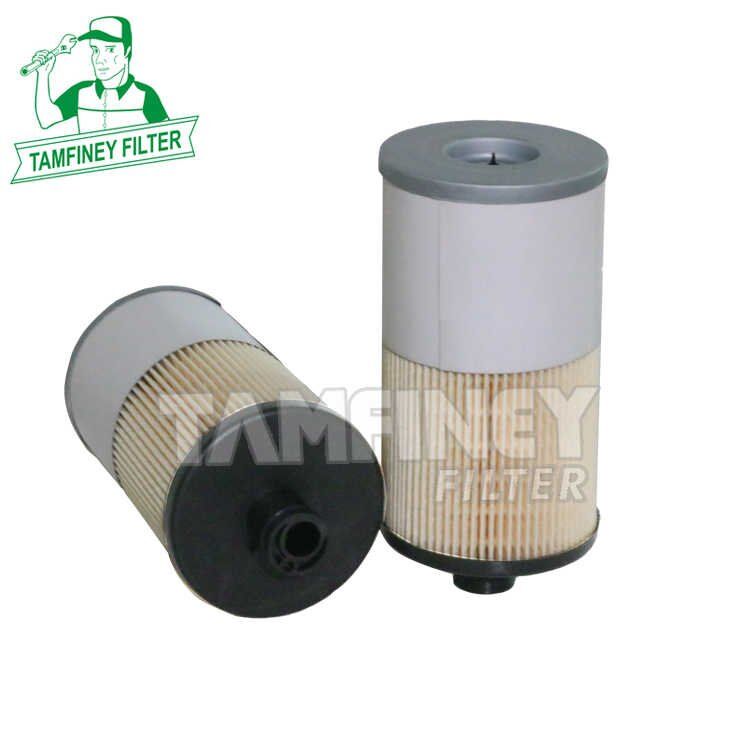
Replacement filter for Fuel Pro FS20019 FS20018 FS20021
Your Best Replacement filter for Fuel Pro FS20019 FS20018 FS20021 Fuel Filter manufacturer in China.
Fleetguard FS20019 FS20018 FS20021 XCMG 800153293 860511071

| Fuel Filter FS20019 FS20018 FS20021 Parameter: | |
| Part Number | FS20019 FS20018 FS20021 |
| Brand | Tamfiney |
| Weight | 349 g |
| Height | 174/197mm |
| Outer Diameter | 97 mm |
| Inner Diameter | 17 mm |
| Minimum Order | 100 PCS |
| Place of Region: | Zhejiang, China |
| Payment Terms: | T/T |
| Price Terms: | FOB |
| Lead Time: | 30 to 50 days based on order quantities |
| Market Type: | After Market |
| Current Export Market: | Southeast Asian,North America, South America, Western Europe, Eastern Europe, Africa, Oceania |
Applications:
LIUGONG 922 E922 FCLG 922 ECLG 926 E
SUNWARD SWE 215 E
Professional Replacement filter for Fuel Pro FS20019 FS20018 FS20021
Q: What is a replacement filter?
Replacement Filter is the maintenance process of replacing dirty or clogged filters with new ones to ensure optimal system performance and prevent damage. It is suitable for vehicles (oil, air, fuel, cabin filters) and HVAC systems to prevent pollutants from reducing efficiency or causing engine/machine failure. Regular replacement can prevent restricted airflow and prevent engine sludge or damage in the car.
Q: How often do you need to replace a filter?
Automotive "filters" usually refer to the "four filters": oil filter, air filter, cabin air filter, and fuel filter. The replacement cycle of different filters varies due to factors such as usage environment, oil/air quality, vehicle model, etc.
1. Oil filter
• Change oil synchronously, the cycle depends on the type of oil:
Mineral oil: Replace every 5000 kilometers or 6 months.
Fully synthetic engine oil: Change every 8000-10000 kilometers or 12 months.
Note: Some materials suggest that the use of fully synthetic engine oil can be extended up to 15000 kilometers, but reference should be made to the vehicle maintenance manual.
2. Air filter
• General recommendation: Replace every 10000-15000 kilometers or 6-12 months.
• Influencing factors:
Dust prone environments (such as rural areas, construction sites, and gravel roads): shorten to 5000-8000 kilometers.
Urban clean roads: can be extended up to 15000 kilometers or even 20000 kilometers.
• Judgment method:
The filter element turns black, deformed, and there is a large amount of dust falling off when knocked;
The vehicle experiences weak acceleration, increased fuel consumption, and unstable idle.
3. Cabin air filter
• General recommendation: Replace every 10000-15000 kilometers or annually.
Special environments (such as high dust, pollen season, smoking in the car): It is recommended to replace it 7500 kilometers or earlier.
Some car models support cleaning (washable), but if there is a noticeable odor or severe dirt, it should be replaced directly.
4. Fuel filter
External type: replace every 20000 to 40000 kilometers;
Built in (integrated into the fuel tank): Replace every 40000 to 80000 kilometers or only in case of malfunction.
• Influencing factors:
Poor fuel quality or frequent driving in areas with high impurities: the cycle should be shortened.
If there are difficulties in starting or slow acceleration, it is necessary to check in a timely manner.
Q: What happens if I don't change the filter?
• Air filter
1. The engine intake is obstructed, resulting in decreased power, weak acceleration, and increased fuel consumption.
2. Dust and impurities entering the cylinder can exacerbate the wear of internal components such as pistons and cylinders, and in severe cases can cause irreversible damage such as "cylinder pulling".
3. Long term blockage may also cause insufficient combustion and increase carbon emissions.
• Oil filter
1. After the filter element fails, impurities mix into the lubricating oil, resulting in a decrease in lubrication effect and increased friction between various engine components.
2. It may cause a decrease in oil pressure, insufficient local lubrication, accelerate engine aging, and even malfunction.
• Fuel filter
1. Impurities enter the fuel system, causing blockages in the fuel injectors and insufficient fuel supply, which affects the normal operation of the engine.
2. Long term non replacement may lead to increased burden and even damage to the fuel pump.
• Cabin filter
1. The air quality inside the car deteriorates, and dust, pollen, and bacteria enter the cabin, which can easily cause allergies or respiratory discomfort.
2. The air conditioning output decreases, the cooling/heating efficiency decreases, and energy consumption increases.
3. The accumulation of dirt in the filter element can easily breed mold, produce odors, and affect driving comfort.

