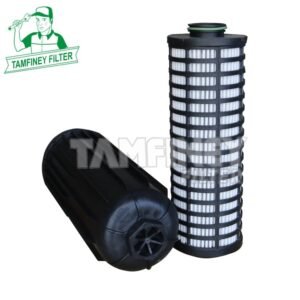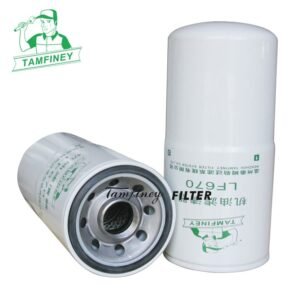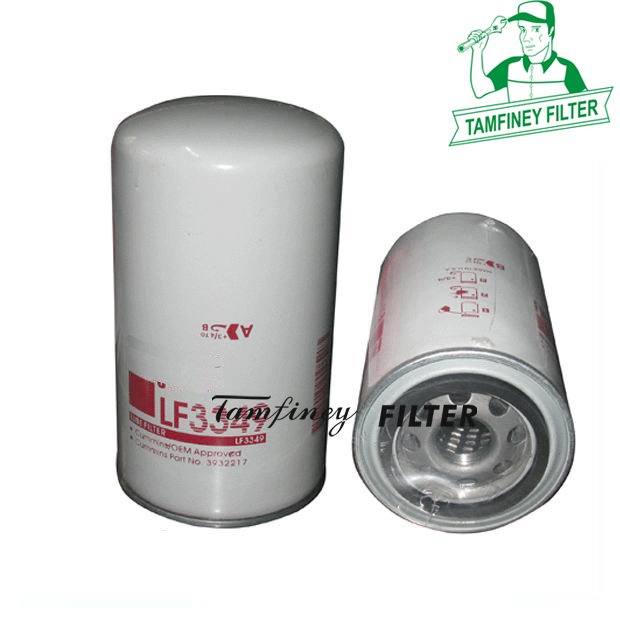



| Oil Filter MO-285 MO285 Parameter: | |
| Part Number | MO-285 MO285 |
| Brand | Tamfiney |
| Weight | 631 g |
| Height | 174 mm |
| Outer Diameter | 93 mm |
| Inner Diameter/ Thread Size | 1-16 UN |
| Minimum Order | 100 PCS |
| Place of Region: | Zhejiang, China |
| Payment Terms: | T/T |
| Price Terms: | FOB |
| Lead Time: | 30 to 50 days based on order quantities |
| Market Type: | After Market |
| Current Export Market: | North America, South America, Western Europe, Eastern Europe, Africa, Oceania |
Application:
CHRYSLER DODGE RAM 6,2 TD 2500 4X4
CUMMINS 4 BT 6.16 B 5.96B5.9E6 B 5,9 M6BT5.9-1506 BT 5.9 DM6 BT 5.9-G26 BT 5.9-G26 BT 5,9 M6 BTA 5.96 BTA 5.9-G26 BTA 5,9 M6 BTAA 5.9-G126 BTAA 5.9-G2B SERIESEQB 210-20
CUMMINS POWER GENERATION GRPE ELECT 6 BT 5.9
Performance Ram 2500 Oil Filter MO-285 MO285
Q: What happens if I don’t change my oil filter?
If you don't change your oil filter, it will cause a series of negative effects on the engine, and in severe cases, it may lead to irreversible damage.
• Decreased lubrication effect: The machine filter is responsible for filtering impurities such as metal shavings, carbon deposits, and dust in the engine oil. Long term non replacement can cause the filter element to become clogged or saturated, and impurities circulate in the engine oil, exacerbating the wear of precision components such as pistons, crankshafts, and cylinder walls like "tiny sandpapers".
• Engine oil pollution acceleration: Even if you change new engine oil, if you don't change the old engine filter, the residual pollutants will quickly contaminate the new engine oil, making the oil change meaningless.
• Oil flow obstruction: When the filter paper is severely clogged, the bypass valve will open, allowing unfiltered oil to directly enter the engine, completely losing its filtering protection function.
• Decreased engine performance: manifested as weakened power, slow acceleration, increased fuel consumption, increased noise, and even problems such as oil burning and low oil pressure.
• Serious malfunction risk: Long term failure to replace may lead to major malfunctions such as cylinder pulling, tile sticking, engine stalling, etc., and the maintenance cost is much higher than the cost of replacing the filter.
• Shorten engine life: Continuous wear and poor lubrication can significantly shorten the engine's service life, potentially leading to early entry into major repairs or scrapping stages.
Q: How does an oil filter work?
The oil filter mainly uses filter paper to physically intercept impurities and clean the engine oil. It is equipped with a bypass valve to prevent blockage and oil cut-off, and a check valve to prevent oil backflow, thereby ensuring continuous lubrication and protection of the engine. It needs to regularly maintain performance.
1. Oil entry and pressurization: When the engine is running, the oil pump presses the oil in the oil pan into the filter. Under the action of oil pressure, the rubber check valve is open, and the oil reaches the outside of the filter paper through the inlet.
2. Impurity interception and purification: Under pressure, the engine oil enters the central pipe through the micropores of the filter paper, and harmful impurities such as metal debris, carbon deposits, colloids, and oxides are on the surface or inside of the filter paper. The clean engine oil then transported to the main oil passage of the engine through the central pipe.
3. Lubrication supply: The filtered clean engine oil is transported to the engine oil passage through small circular holes on the bracket, providing lubrication, cooling, and cleaning for moving parts such as pistons, bearings, and camshafts, reducing friction and extending the service life of components.
Security protection mechanism
Emergency oil supply for bypass valve:
Trigger condition: When the filter element is clogged due to excessive impurities or the oil is viscous at low temperatures, resulting in excessive flow resistance, causing the oil pressure on the outside of the filter paper to rise to the set value (usually between 0.8 bar and 2.5 bar).
Working principle: The bypass valve opens under the action of pressure difference, allowing unfiltered oil to directly enter the main oil passage of the engine, ensuring uninterrupted lubrication and preventing engine damage due to lack of oil.
Check valve anti backflow:
Timing of action: After turn off the engine, the oil pump stops working.
Working principle: The check valve is closed, retaining some clean oil in the filter and oil passage to prevent oil from flowing back to the oil pan, ensuring that the oil pressure can be quickly established when the engine is restarted, and avoiding sudden dry wear during startup.
Q: How to install oil filter?
Installing the oil filter is a critical step in vehicle maintenance, and proper operation can prevent issues such as oil leakage and inadequate lubrication. Below is the standard installation procedure:
1. Preparation
Ensure the vehicle is parked on level ground, with the engine turned off and cooled (some sources recommend a short drive to thin the oil for easier drainage).
Prepare a new oil filter, a dedicated wrench, a clean cloth, new engine oil, and a funnel.
2. Drain the old engine oil
Place an oil catch pan under the oil pan, then use a wrench to turn the drain plug counterclockwise to remove it and completely drain the old engine oil.
Clean the drain plug and reinstall it with the specified torque (typically around 30 N•m).
3. Remove the old filter
o Loosen the old filter element counterclockwise using an oil filter wrench, noting that waste oil may be trapped inside. It is recommended to wrap it with a rag and remove it slowly to avoid spills.
Clean the old sealing ring residue and dirt from the surface of the mounting base, ensuring the mounting surface is clean and smooth.
4. Handling the new filter
Vertical installation of the filter element (with oil feed tube): It is recommended to first inject a small amount of new oil into the filter element, then evenly apply a layer of oil on the rubber sealing ring to enhance sealing and reduce dry friction during startup.
Lateral installation of the filter element (directly connected to the oil pump): No pre-filling of engine oil is required; simply apply oil to the sealing ring.
Check whether the new filter model matches the vehicle and ensure the sealing ring is undamaged.
5. Install the new filter
Hold the new filter in place, align it with the threads, and hand-tighten it clockwise until the sealing ring fully contacts the mounting surface.
Use the filter wrench to tighten an additional 3/4 turn (approximately 270°) to avoid over-tightening and damaging the sealing ring.
The torque reference value is approximately 15N•m (use this standard if a torque wrench is available).
6. Add new engine oil and inspect
Add the specified amount of new engine oil through the oil filler port, and use the dipstick to ensure the oil level is between the MIN and MAX marks.
Start the engine and let it run for 1–2 minutes before shutting it off. Check for oil leaks at the filter and drain plug.
Check the engine oil level again and top it up to the standard level if necessary.
Precautions
• O-ring lubrication is crucial: Regardless of the installation method, apply oil to the O-ring; otherwise, oil leakage or sealing failure may occur during startup.
• Environmental Cleanliness: The replacement process should be conducted in a dust-free environment to prevent contaminants from entering the lubrication system.