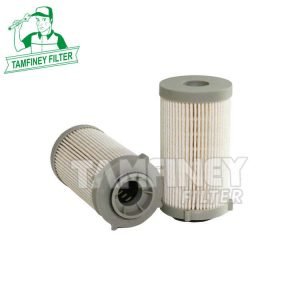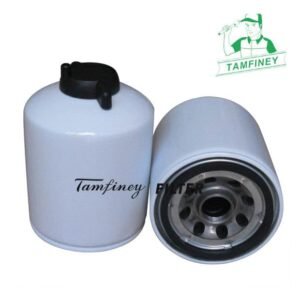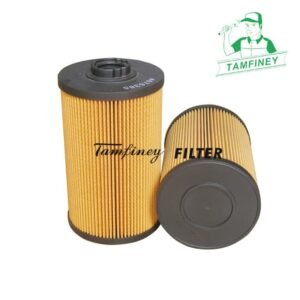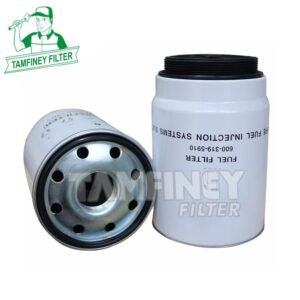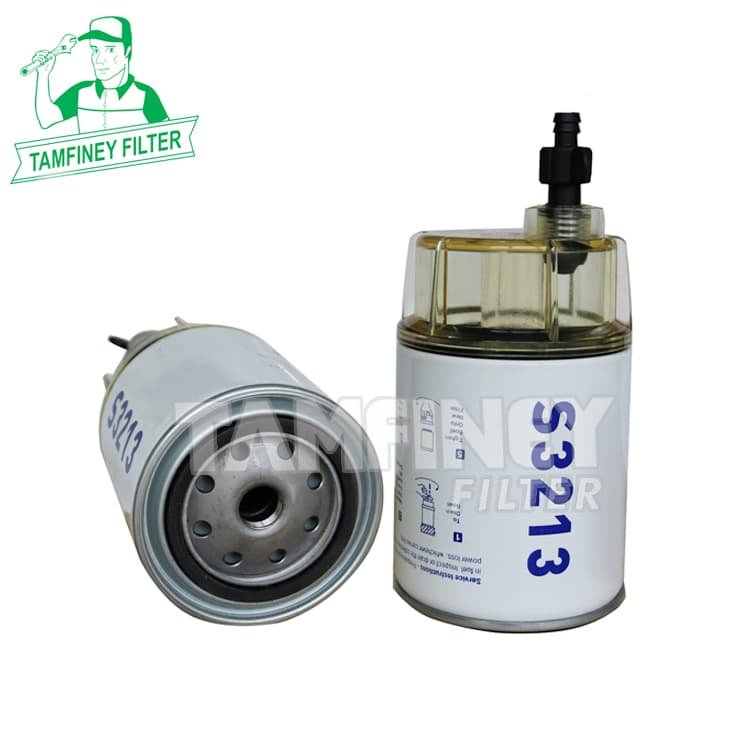


| Fuel Filter B32013 Parameter: | |
| Part Number | B32013 |
| Brand | Tamfiney |
| Weight | 595 g |
| Height | 102 mm |
| Outer Diameter | 97 mm |
| Inner Diameter/ Thread Size | 11/16-16 3 1/4-10 |
| Minimum Order | 100 PCS |
| Place of Region: | Zhejiang, China |
| Payment Terms: | T/T |
| Price Terms: | FOB |
| Lead Time: | 30 to 50 days based on order quantities |
| Market Type: | After Market |
| Current Export Market: | Southeast Asian,North America, South America, Western Europe, Eastern Europe, Africa, Oceania |
Applications:
- MERCRUISER DIVERS
- Yamaha
- Suzuki
- Volvo Penta
- OMC
- Honda
- Tohatsu
Professional Racor B32013 Fuel Water Separator S3213 with Bowl
Q: Do I need a collection bowl with S3213?
YES, S3213 can separate water from fuel and drink other magazines, which requires a water bowl to collect the separated water or impurities to avoid leakage or facilitate cleaning. Therefore, a matching collection bowl or cup must be needed.
Q: Can the bowl be reused?
The water bowl in the fuel water separator is reusable. Its material is plastic or corrosion-resistant metal. With no damage, deformation, or aging, it lasts long.
Regular inspection and maintenance are crucial. Check the water level every 2000 kilometers. If water is abundant, drain it manually promptly.
When draining, use the bottom knob to release water. After operation, tighten the knob securely. If dirt builds up on inner walls, rinse with clean water.
Rinsing prevents oxidation but ensure complete drying before reuse. Replace the water bowl if cracks appear. Sealing ring failure also warrants replacement.
If drainage function is impaired, change it timely. Poor fuel quality or harsh environments may shorten inspection cycles. Yet, the bowl itself doesn’t need frequent replacement.
Only replace when damage occurs. Dusty or humid areas require more checks. Proper care extends the component’s lifespan.
Q: How do I drain water from the bowl?
Preparation before drainage: Prepare splash proof water bucket (with a capacity of at least 5 liters), rubber gloves, anti slip shoes, and spare towels; Check for signs of leakage around the drain valve.
Drainage operation steps:
• Positioning drain valve: The drain valve of the oil-water separator is usually located at the bottom of the equipment and may be a ball valve or handle type structure; For vehicle equipment, refer to the user manual to locate the valve near the fuel filter.
• Slowly open the valve: manually rotate the drain valve handle to the open position to allow water to flow out naturally; The drainage speed is relatively fast in the initial stage, and then slows down. It is necessary to control the flow rate to avoid splashing.
• Observe the drainage status: Continuously monitor the outflow of liquid. When the liquid changes from turbid to clear, it indicates that the accumulated water has been drained completely; If the drainage speed is too slow or there is grease flowing out, check whether the pipeline is blocked or adjust the valve opening.
• Complete drainage: After the liquid becomes clear, close the valve first, and then restore the equipment power or tighten the bolts; Rinse the inside of the equipment with clean water and wipe off any spilled water.