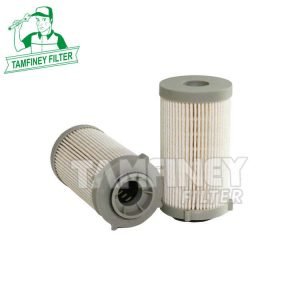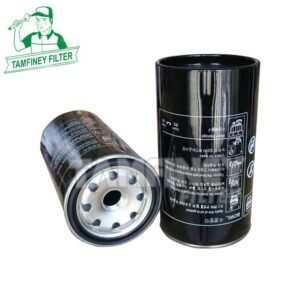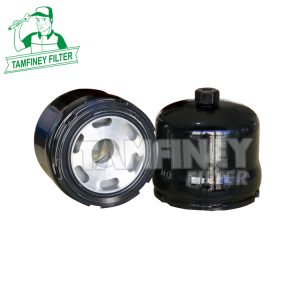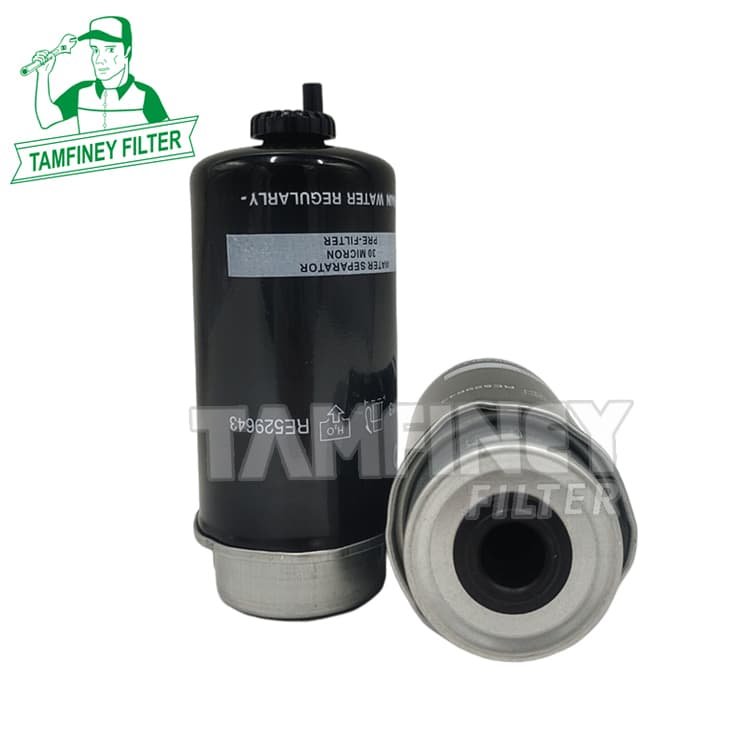



| Fuel Filter RE529643 BF7950-D WK8151 Parameter: | |
| Part Number | RE529643 BF7950-D WK8151 |
| Brand | Tamfiney |
| Weight | 402g |
| Height | 197 mm |
| Outer Diameter | 83/88mm |
| Inner Diameter/ Thread Size | |
| Minimum Order | 100 PCS |
| Place of Region: | Zhejiang, China |
| Payment Terms: | T/T |
| Price Terms: | FOB |
| Lead Time: | 30 to 50 days based on order quantities |
| Market Type: | After Market |
| Current Export Market: | Southeast Asian,North America, South America, Western Europe, Eastern Europe, Africa, Oceania |
Applications:
• JOHN DEERE 1210 E14704045 HFS 854045 HFS 87473048306068 HFS 856068/HFS86 PowerTech6068 HTJ7630773078307930W 540 CWL 56
• LIEBHERR D 504 TIL 514L 524L 524L 524L 524L 528L 528L 528L 528L 538L 538L 550L 556L 556LR 614PR 714PR 714TL 435-10 LITRONICTL 435-10 LITRONICTL 435-13 LITRONICTL 435-13
• SDMO J 165 C 2J 66 C 3R 110 C 2R 110 C 2R 110 C 2R 110 C 3R 110 C 3R 110 C 3R 110 C 3R 110 KR 135 C3R 135 KR 165 C 2R 165 C 3R 165 C 3R 220 C 3R 220 KR 66 C 3R 66 C 3R 90 C 3
Professional Primary Fuel Filter RE529643 BF7950-D WK8151
Introduction: Ensuring Engine Excellence with John Deere Diesel Filters
Engine health depends significantly on fuel quality. Therefore, the John Deere Diesel Filter is a leading choice for reliable performance. Because clean diesel boosts power, using premium filters like RE529643 is crucial. Moreover, regular replacement keeps your John Deere equipment operating efficiently.
RE529643: The Core Solution for Diesel Filtration
Among all filters, RE529643 stands out for advanced protection. Not only does it block tiny contaminants, but it also maintains consistent fuel flow. Consequently, engines start faster and last longer. Furthermore, RE529643 ensures that John Deere machinery performs optimally, even under tough conditions. Operators notice less fuel-related trouble when using this core filter.
Exploring Filter Options: BF7950-D and WK8151
Although RE529643 dominates as a primary filter, alternatives are sometimes necessary. For instance, BF7950-D offers reliable filtration for various diesel engines. Similarly, WK8151 provides efficient protection in different operating environments.
Lower Operational Costs and Longer Lifespan
Fuel contaminants harm engines and inflate service expenses. However, switching to trusted filters like RE529643 immediately counters this risk. Besides reducing wear, these filters extend intervals between repairs. Moreover, alternatives such as BF7950-D help lower fuel system problems. As a result, downtime decreases, making your operations more profitable.
TAMFINEY: Your Supplier for John Deere Diesel Filter Replacements
For every fleet manager, filter quality comes first. TAMFINEY supplies superb John Deere Diesel Filter choices, including RE529643. Not only do we offer variants like BF7950-D and WK8151, but we also guarantee quick delivery. Furthermore, our expert advice ensures you select the perfect match for your equipment. Because our focus is customer satisfaction, your maintenance routines become much easier.
Conclusion: Protect Your Diesel Engines with TAMFINEY
In summary, the John Deere Diesel Filter RE529643 is vital for top engine performance. Alternatives such as BF7950-D and WK8151 add flexibility. Moreover, replacing filters on time keeps your engines safe and powerful. Therefore, TAMFINEY is your trusted partner for all filtering needs. Choose our products for reliability, efficiency, and peace of mind every day.
Q: What is a primary fuel filter?
A primary fuel filter is a primary filtering device installed at the front end of the fuel system, mainly used to intercept large particulate impurities (such as gravel, rust, metal debris, etc.) in the fuel and separate moisture to protect downstream precision components (such as high-pressure fuel pumps, fuel injectors, etc.) from wear or blockage.
Core functionality
• Intercept large particle impurities: It can usually filter out solid pollutants with a diameter of ≥ 100 microns, with an interception efficiency of 60% -70%.
• Fuel water separation: Some models have oleophilic and hydrophobic structures or water accumulation chambers, which can separate free water in diesel and discharge it centrally.
• Reduce the burden on the fine filter: As the first line of defense, reduce the load on the fine filter and extend its service life by about 30%.
Typical Structure and Working Principle
• Installation position: generally located between the fuel tank and the fuel pump (low-pressure section).
• Filtration accuracy: The coarse filter has a filtration accuracy of about 15-50 microns, while the fine filter can reach 3-5 microns.
• Common forms:
External (chassis or engine compartment installation)
Built in (integrated into the fuel tank)
Equipped with a sedimentation cup or drainage valve, convenient for manual or automatic drainage separation
Q: Are primary and secondary fuel filters the same?
No, they are different.
The primary fuel filter and the secondary fuel filter are not the same, and they have significant differences in function, filtration accuracy, installation position, and structural design.
• Different filtering accuracies
O Primary fuel filter: mainly filters out larger particulate impurities in fuel (such as mechanical impurities with a diameter of 0.06-0.07 mm or more), and some also have fuel-water separation function.
O Secondary fuel filter: capable of filtering finer impurities with an accuracy of 3-5 micrometers (μ m), used to protect precision components such as high-pressure oil pumps and fuel injectors.
• Different installation locations
O Primary fuel filter: usually installed near the outlet of the fuel tank or before the low-pressure fuel pump as the first filtering barrier.
O Secondary fuel filter: It is often installed after the low-pressure fuel pump and before the high-pressure fuel pump, near the core area of the engine fuel system.
• Structural and material differences
O Primary fuel filter: It often uses copper wire mesh, filter screen or simple filter paper structure for easy cleaning or replacement.
O Secondary fuel filter: Precision filter cartridges made of high-efficiency filter paper, felt, or polymer materials are often used, emphasizing high interception efficiency.
• Different system functions
O Primary fuel filter: responsible for initial purification and reducing the burden on subsequent components.
O Secondary fuel filter: Ensure that the fuel reaches the extremely high cleanliness required by the high-pressure common rail system, preventing fuel injector blockage or wear.
In diesel engines, these two types of filters are usually used in series to form a multi-stage filtration system; In gasoline engines, generally only one comprehensive fuel filter is installed, and there is less clear distinction between the "primary" and "secondary" stages.
Therefore, the Primary fuel filter and Secondary fuel filter are two independent components with complementary functions and cannot be interchanged.
Q: What is the difference between primary and secondary filter?
• Different filtering objects
Primary filter: mainly intercepts large particulate pollutants with a size of ≥ 5 μ m, such as dust, hair, paper scraps, sediment, etc.
Secondary filter (usually a medium efficiency filter): mainly captures small particles of 1-5 μ m, such as pollen, fungal spores, bacteria, fine fibers, etc.
• Different filtration efficiencies
The efficiency of primary filters (such as G1-G4 grades) for particles ≥ 5 μ m is 20% -90%.
The efficiency of secondary filters (such as F5 to F9 intermediate efficiency) for particles of 1-5 μ m is 60% to 95%.
• Different application scenarios
Primary filters are used at the front end of the system as the "first line of defense" to protect subsequent equipment from being blocked by large particles.
The secondary filter is located after the primary and before the high efficiency, undertaking intermediate interception tasks to reduce the burden on the high efficiency filter.
• Maintenance and lifespan
The replacement cycle of primary filters is short (1-3 months).
The replacement cycle of secondary filters is relatively long (3-6 months), but the single cost is high.