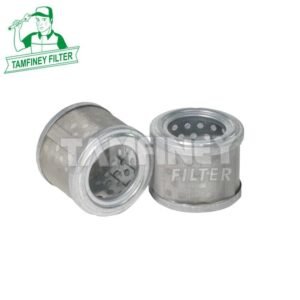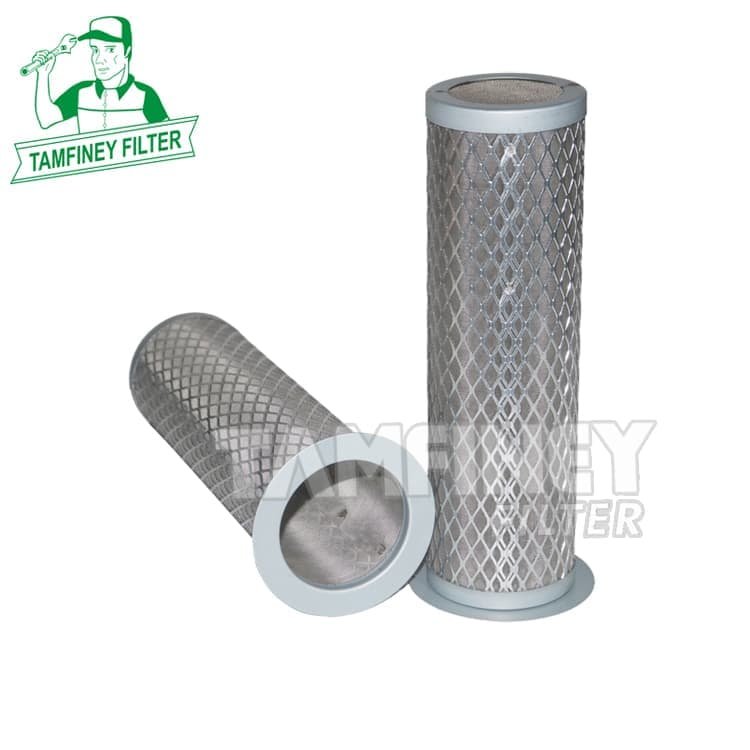



| Fuel Filter KHH10060 53c0857 14537348 Parameter: | |
| Part Number | KHH10060 53c0857 14537348 |
| Brand | Tamfiney |
| Weight | 138 g |
| Height | 203 mm |
| Outer Diameter | 75/61 mm |
| Inner Diameter/ Thread Size |
55 mm |
| Minimum Order | 100 PCS |
| Place of Region: | Zhejiang, China |
| Payment Terms: | T/T |
| Price Terms: | FOB |
| Lead Time: | 30 to 50 days based on order quantities |
| Market Type: | After Market |
| Current Export Market: | Southeast Asian,North America, South America, Western Europe, Eastern Europe, Africa, Oceania |
Applications:
CASE
CX 130 DCX 130 DCX 130 DCX 130 D-LCCX 130 D-LCCX 130 D-LCLRCX 160 D-LCCX 160 D-LCCX 180 D-LCCX 180 D-LCCX 230 DCX 240 DCX 500 D-LCCX 500 D-LCCX 500 D-LC MECX 500 D-LC MECX 750 D-RTCCX 750 D-RTCCX 750 D-RTC MECX 750 D-RTC MECX 750 D-RTC ME
Professional Prefilter KHH10060 53c0857 14537348 Pre Filter
Q: Do I need to maintain diesel fuel pre filter?
Yes, most diesel pre filters are composed of nylon or metal filters, which can be cleaned and maintained regularly. When the filter is damaged or clogged after multiple cleaning and maintenance, a new filter can be replaced.
Q: Should I pre-fill my diesel fuel pre filter?
It is not recommended to directly fill the interior of the diesel pre filter with fuel for installation. Modern diesel vehicles (especially those with National III and above common rail systems) should use manual pump exhaust or ignition pre fuel supply to eliminate air. Forcefully filling the oil can easily cause impurities to enter the high-pressure oil pump and fuel injector.
Prohibition of direct oil injection: Diesel fuel injected manually without filtration may carry dust/impurities and directly damage precision components; And the oil filling process is difficult to ensure complete absence of bubbles, which instead introduces the risk of air resistance.
Correct method: After replacing the filter element, use the vehicle's built-in manual oil pump (mechanical pump) to repeatedly press until the feel becomes hard, or perform multiple "ignition stop" cycles to allow the electric fuel pump to automatically exhaust and inject oil.
Exception: Only when the vehicle does not have a manual fuel pump and the instructions clearly allow it, can clean diesel be used to slightly wet the inside of the filter element (not necessarily fill it up), and then strict exhaust must be carried out.
This method was popular in the early days of carburetors or low-pressure fuel lines, but modern high-pressure common rail systems require extremely high fuel cleanliness (micron level filtration). Pre filling not only cannot guarantee fuel cleanliness, but also introduces air or impurities due to improper operation, causing difficulty in starting, unstable idling, and even damage to fuel injectors. The reason why oil filters can be filled with oil is because the oil itself is clean and cannot be manually vented, while diesel filters have an exhaust mechanism and different oil environments. The two cannot be compared.
Q: Is a pre-filter necessary?
The "pre-filter" for cars is not a standard essential component for all passenger vehicles but serves as a critical protective element in high-dust, heavy-duty, or diesel operating conditions. Ordinary family cars typically rely on the main air filter to meet their needs, while installing a pre-filter constitutes enhanced protection.
• The necessity depends on the vehicle type and environment: light gasoline passenger cars typically lack an independent "pre-filter" in the factory setup, as the main air filter is sufficient; for trucks, construction machinery, diesel vehicles, or those frequently operating in sandy/off-road conditions, a pre-filter (e.g., cyclone-type) can intercept 80%-90% of large particulate impurities, significantly extending the lifespan of the main filter element and reducing engine wear.
• Functional Positioning: The pre-filter is located at the front of the main air filter, utilizing centrifugal force or a mesh screen to coarsely filter large particles (sediments, insect carcasses, leaves). It does not replace the main filter element but instead reduces its load and slows the rate of intake resistance attenuation.
Risk trade-off: Without a pre-filter, harsh environments can lead to rapid clogging of the main filter, insufficient air intake, increased fuel consumption, and even engine damage. However, in clean urban roads, improper installation may increase air intake resistance or sealing risks, making it non-essential for upgrades.