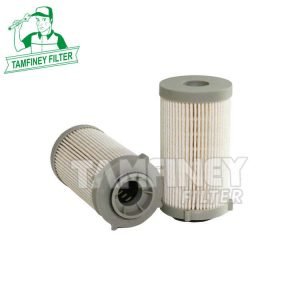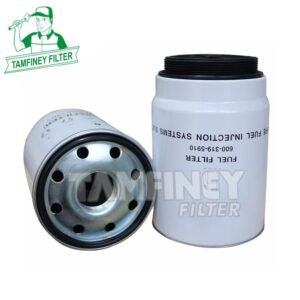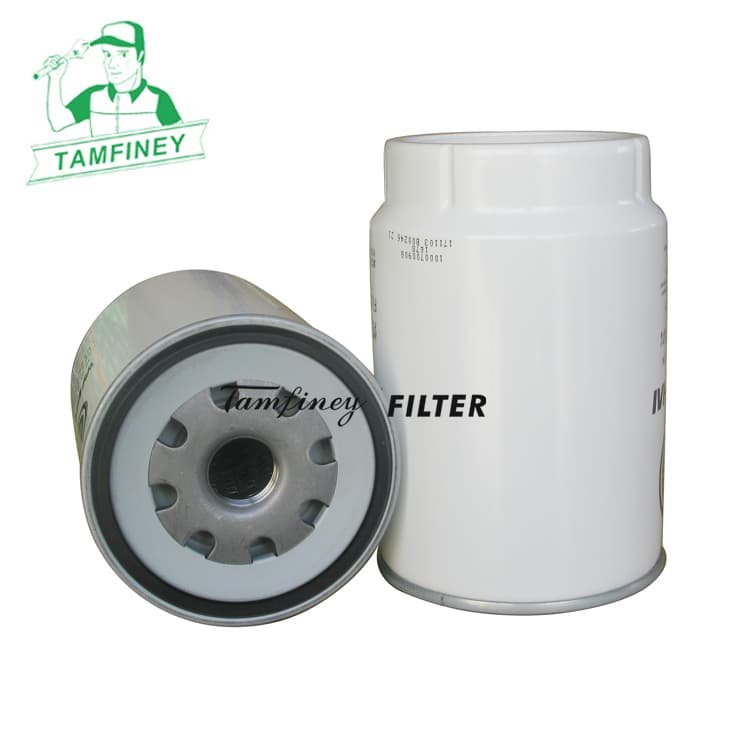



| Fuel Filter PL270 BF1296-O 1000700908 53C0860 Parameter: | |
| Part Number | PL270 BF1296-O 1000700908 53C0860 |
| Brand | Tamfiney |
| Weight | 869 g |
| Height | 150 mm |
| Outer Diameter | 108 mm |
| Inner Diameter/ Thread Size | 1-14 S80X3 |
| Minimum Order | 100 PCS |
| Place of Region: | Zhejiang, China |
| Payment Terms: | T/T |
| Price Terms: | FOB |
| Lead Time: | 30 to 50 days based on order quantities |
| Market Type: | After Market |
| Current Export Market: | Southeast Asian,North America, South America, Western Europe, Eastern Europe, Africa, Oceania |
Applications:
KAESER M 255
MAN TGS 35.480
SDLG B 877
SINOTRUK HOWO 336 HOWO 371
Professional PL270 Fuel Primary Filter BF1296-O 1000700908 53C0860
Q: What does a primary fuel filter do?
The core function of a fuel coarse filter is to initially intercept larger solid impurities (such as gravel, metal debris, etc.) in the fuel, and often also has the function of assisting in separating moisture to protect subsequent precision components.
• Filter large particle impurities: mainly filter out pollutants with larger diameters (usually ≥ 100 microns) to prevent them from entering downstream pipelines and causing blockages or scratches.
• Protecting precision components as the first line of defense, reducing the wear risk of high-pressure system components such as fuel injection pumps and injectors, and extending the life of precision filters and engines.
• Auxiliary oil-water separation: Some coarse filters are integrated with sedimentation cups or oleophilic and hydrophobic designs, which can separate free water and collect it for discharge, avoiding water corrosion or "water hammer" effects caused by moisture.
It is usually installed between the fuel tank and the main filter (fine filter), belonging to the primary filtration link of the fuel system, and needs regular maintenance and replacement to ensure efficiency.
Q: What's the difference between a primary and secondary fuel filter?
The two are mainly different in filtration accuracy, installation position, and function, and are more common in diesel engines.
• Filtration accuracy: Coarse filtration blocks large particles (10-30 microns), and fine filtration filters out small impurities (3-5 microns).
• Installation position: The coarse filter is located before the low-pressure oil pump, and the fine filter is located after the low-pressure pump and before the high-pressure pump.
• Core function: Coarse filtration often includes oil-water separation, while fine filtration focuses on filtering solid particles to protect fuel injectors.
• Applicable vehicle models: Gasoline cars usually only have one fuel filter, regardless of whether it is coarse or fine.
• Maintenance reminder: The coarse filter is easily overlooked, and the fine filter needs to be replaced regularly to ensure power.
Q: What is the micron rating for a primary fuel filter?
The primary fuel filter does not have a standardized fixed micron specification, as its filtration precision depends on the engine type and fuel system technology, typically ranging between 5 and 40 microns
• Gasoline car (natural aspiration): Typically 20~40 microns, with most regular family sedans around 20 microns.
• Gasoline vehicles (turbocharged/direct injection): Higher requirements, typically 5~20 microns, with some high-performance models reaching below 10 microns.
• Diesel vehicles (conventional): typically between 10~20 micrometers.