Get a Free Quote
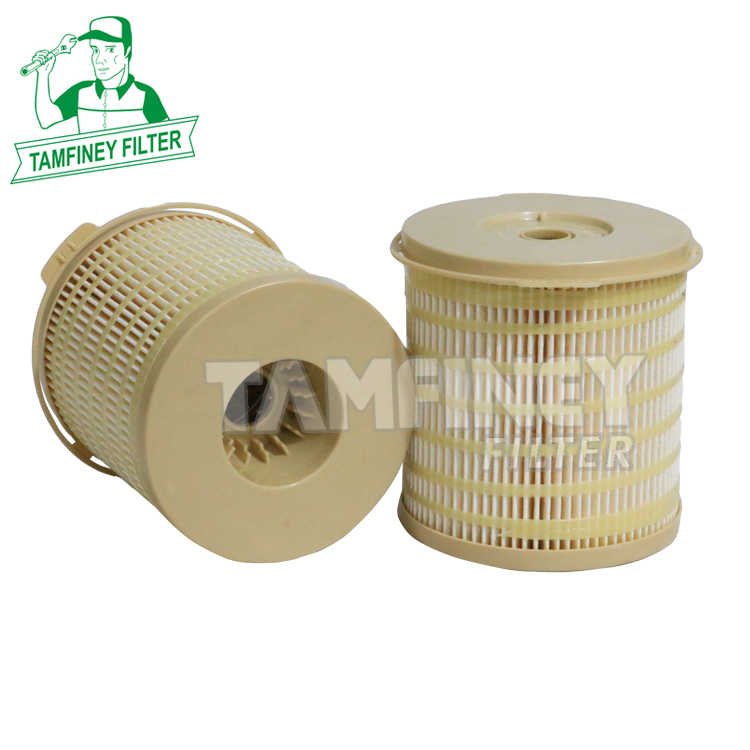
Professional Parker Racor Fuel Filter FS20403 FS20401 FS20402 2040TM 2040N-10 2040TM-OR
Your Best Parker Racor Fuel Filter FS20403 FS20401 FS20402 2040TM 2040N-10 2040TM-OR Fuel filter manufacturer in China.
Racor 2040TM 2040TMOR 2040N10 ,2040TM-OR
FS20402 FS1207 P552040 PF7889-10 FS20403 FS20401 2040N-10 2040TM-OR


| Fuel Filter FS20403 FS20401 FS20402 2040TM 2040N-10 2040TM-OR Parameter: | |
| Part Number | FS20403 FS20401 FS20402 2040TM 2040N-10 2040TM-OR |
| Brand | Tamfiney |
| Weight | 298 g |
| Height | 117 mm |
| Outer Diameter | 116 mm |
| Inner Diameter/ Thread Size |
|
| Minimum Order | 100 PCS |
| Place of Region: | Zhejiang, China |
| Payment Terms: | T/T |
| Price Terms: | FOB |
| Lead Time: | 30 to 50 days based on order quantities |
| Market Type: | After Market |
| Current Export Market: | Southeast Asian,North America, South America, Western Europe, Eastern Europe, Africa, Oceania |
Applications:
BELL B 25 DB 30 DB 30 E
CLAAS AVERO 160AVERO 240DOMINATOR 130DOMINATOR 140DOMINATOR 150LEXION 410LEXION 420LEXION 430LEXION 430 EVOLUTIONLEXION 440LEXION 450LEXION 460LEXION 460 EVOLUTIONLEXION 460
DOOSAN DAEWOO G 500
KALMAR DCF 420-12
SANDVIK Ranger DX 800i
STEYR MOTORS SE 126 E 25SE 156 E 26SE 156 E 32SE 156 E 34SE 196 E 35SE 236 E 40SE 236 S 36SE 266 E 40SE 266 S 36SE 286 E 40SE 306 J 38
TATRA JAMAL 270 T163JAMAL 270 T163JAMAL 280 T163JAMAL 300 T163JAMAL 300 T163JAMAL 320 T163JAMAL 325 T163
VOLVO A 25 FA 30 FA 60 HEC 170 DL 110 HL 120 HL 150 HL 150 HL 180 HL 180 HL 180 H High-LiftL 180 H-High-LiftL 220 HL 220 H-High-LiftTAD 1232 GETAD 941 GE
VOLVO-PENTA MARINE DIVERSTAD 853 VETAD 941 GE
Professional Parker Racor Fuel Filter FS20403 FS20401 FS20402 2040TM 2040N-10 2040TM-OR
Q: Who makes Racor fuel filters?
Parker Hannifin Corporation makes Racor fuel filters in the U.S. They bought the Racor brand in 1985, boosting their fuel filter and water separator business. Mike Richards started Racor in 1969, focusing on diesel filtration. Under Parker Hannifin, it grew into a global leader through innovation.
Q: Are micron filters washable?
The filter element in a fuel filter (commonly referred to as a "micrometer filter") usually refers to its filtration accuracy, measured in micrometers, but the feasibility of cleaning depends on the specific design. Most fuel filters use disposable paper filter elements, designed to be non washable. Cleaning may result in a decrease in filtration efficiency or residual impurities, which can actually damage the fuel system; Some external filters may support cleaning, but strict adherence to the manufacturer's guidelines is required.
There are significant risks associated with cleaning operations, such as using carburetor cleaning agents or gasoline flushing, which may not completely remove micrometer level impurities. Residual substances can cause secondary pollution, leading to weak engine acceleration, idle shaking, and even stalling; The built-in filter is difficult to disassemble, and the cleaning process can easily cause physical damage, and the cost and risk are much higher than directly replacing it.
The maintenance recommendation is mainly to replace the fuel filter. As a consumable, the fuel filter should be replaced according to the manufacturer's recommended cycle (such as every 50000 kilometers or 4 years). The daily status can be judged by observing changes in fuel consumption, starting performance, or the color of the filter element (dark brown or granular needs to be replaced). If the filter element is severely clogged, direct replacement is a safe solution to ensure engine safety.
Q: How many microns is a good filter?
The filtration accuracy of a good fuel filter is usually between 1 micron and 75 microns, and the specific value needs to be determined based on factors such as vehicle type, engine design, and usage scenarios.
The requirements for filtration accuracy vary among different vehicle types: the fuel filter accuracy of ordinary family cars is mostly around 20 microns, which can meet the daily impurity filtration needs; High performance cars or diesel engine vehicles require higher precision, often up to 10 microns or even lower. For high-pressure common rail diesel engines, a precision of 5 microns to 10 microns is recommended to ensure system stability; Direct injection gasoline engines typically have higher filtration accuracy than multi-point electronic fuel injection models due to their precise fuel injection system.
The choice of filtering accuracy directly affects engine performance and lifespan: too high or too low accuracy can cause problems, such as insufficient accuracy leading to clogged fuel injectors, while excessive pursuit of high accuracy may affect fuel flow or increase costs. Therefore, the selection should strictly follow the recommendations of the vehicle manufacturer.