Get a Free Quote
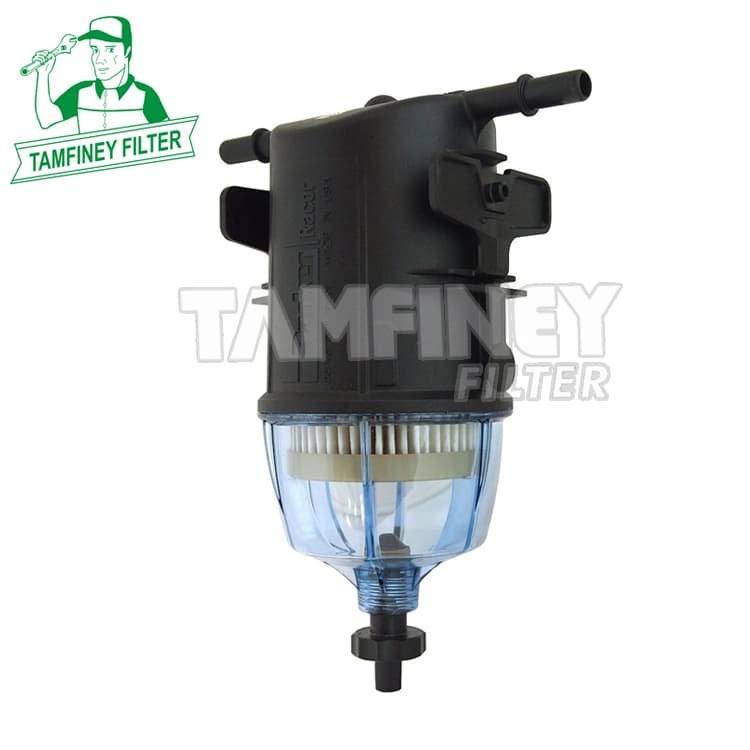
Professional Parker Fuel Filters Water Separators R23107-10 R23107-02 R23107-30 R23107 WS10141
Your best Parker Fuel Filters Water Separators R23107-10 R23107-02 R23107-30 R23107 WS10141 Fuel filter manufacturer in China.
Parker R23107-10 R23107-02 R23107-30 R23107 WIX WS10141



| Fuel Filter R23107-10 R23107-02 R23107-30 R23107 WS10141 Parameter: | |
| Part Number | R23107-10 R23107-02 R23107-30 R23107 WS10141 |
| Brand | Tamfiney |
| Weight | 465g |
| Height | 198 mm |
| Outer Diameter | 156 mm |
| Inner Diameter/ Thread Size |
|
| Minimum Order | 100 PCS |
| Place of Region: | Zhejiang, China |
| Payment Terms: | T/T |
| Price Terms: | FOB |
| Lead Time: | 30 to 50 days based on order quantities |
| Market Type: | After Market |
| Current Export Market: | Southeast Asian,North America, South America, Western Europe, Eastern Europe, Africa, Oceania |
Applications:
Professional Parker Fuel Filters Water Separators R23107-10 R23107-02 R23107-30 R23107 WS10141
Q: What goes first, fuel filter or water separator?
In the automotive fuel system, the oil-water separator is usually located before the fuel filter, and the order of fuel flow is: fuel tank → oil-water separator → fuel filter → engine. This sequence is based on the working principle and functional requirements: the oil-water separator is specifically designed to process moisture and large particulate impurities in the fuel, installed after the fuel pump and before the filter to purify the fuel in advance; The fuel filter further filters out small impurities to ensure that the fuel entering the engine is highly clean. For different car models, the position may vary slightly, but the overall order remains consistent. For example, in diesel cars, the fuel output from the fuel pump usually passes through the oil-water separator before flowing to the filter.
Q: How do I know if my fuel water separator is bad?
When the fuel moisture separator is damaged, it is usually manifested through abnormal vehicle performance or changes in indicator light status. Here are some common signs that can help make a preliminary diagnosis of the problem.
Abnormal engine operation: If the separator is damaged, the engine may experience unstable acceleration, weak acceleration, difficulty starting, or unstable idling. This is because moisture and impurities enter the fuel system, wear down fuel injectors and other components, resulting in insufficient combustion; In severe cases, black or white smoke may also be emitted. Black smoke indicates incomplete fuel combustion, while white smoke produces water vapor due to moisture combustion, which may be accompanied by a decrease in power or sudden engine shutdown.
Fault indicator light alarm: The oil-water separator fault light on the vehicle dashboard is an important reminder. If the indicator light flashes, it may indicate excessive moisture in the fuel filter. If it stays on, it may be a sensor malfunction or the oil level has not been resolved. In this case, the vehicle should be stopped for inspection to avoid further damage.
Abnormal noise and vibration: A damaged separator may cause sharp abnormal noise or severe shaking during engine operation, which is usually related to imbalanced oil and gas mixture ratio or component wear, affecting driving stability.
Performance deterioration and carbon buildup: Long term failures can lead to valve carbon buildup due to impurity accumulation, manifested as increased fuel consumption, excessive exhaust emissions, or backfire during emergency refueling. Carbon buildup gradually reduces engine power and may cause permanent damage in severe cases.
If the above symptoms occur, it is recommended to repair it as soon as possible to avoid upgrading the fault. Daily problems can be prevented by regularly checking maintenance records and the status of oil discharge valves.
Q: What happens if you don't drain a fuel water separator?
The fuel water separator in the fuel system of construction machinery such as excavators is responsible for removing moisture from diesel fuel to prevent it from entering the engine. If the accumulated water in the separator is not drained promptly, it can lead to a series of malfunctions.
Engine Performance Degradation: When water and impurities enter the engine, they may cause wear or jamming of the precision components inside the fuel injectors, leading to inaccurate fuel injection. This results in weak acceleration, insufficient power, and even black smoke emissions.
Carbon Deposits and Component Wear: Moisture and impurities deposit in the combustion chamber or intake manifold, easily forming hard carbon deposits that can clog fuel injectors or valves. This leads to issues such as difficulty starting, unstable idle, and increased fuel consumption. Over time, it exacerbates wear on critical components like piston rings and cylinder walls.
Abnormal Emissions and Corrosion: During the combustion process, moisture converts into water vapor, causing the engine to emit white smoke. This not only indicates low combustion efficiency but may also corrode the high-pressure fuel injectors, leading to sudden engine shutdown or insufficient power in severe cases.
System Clogging and Lubrication Failure: Moisture mixed into the engine oil can cause oil emulsification, reducing lubrication performance and increasing internal engine friction and damage risks. Meanwhile, dust and other impurities entering through unsealed pipelines may clog the fuel filter or air filter, further affecting engine operation.