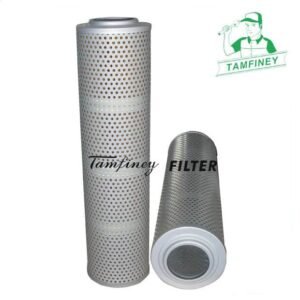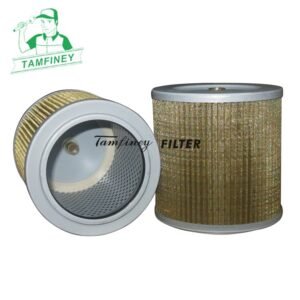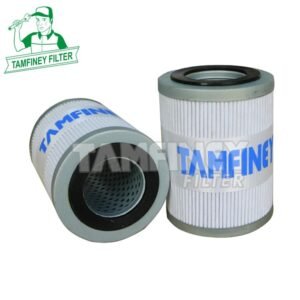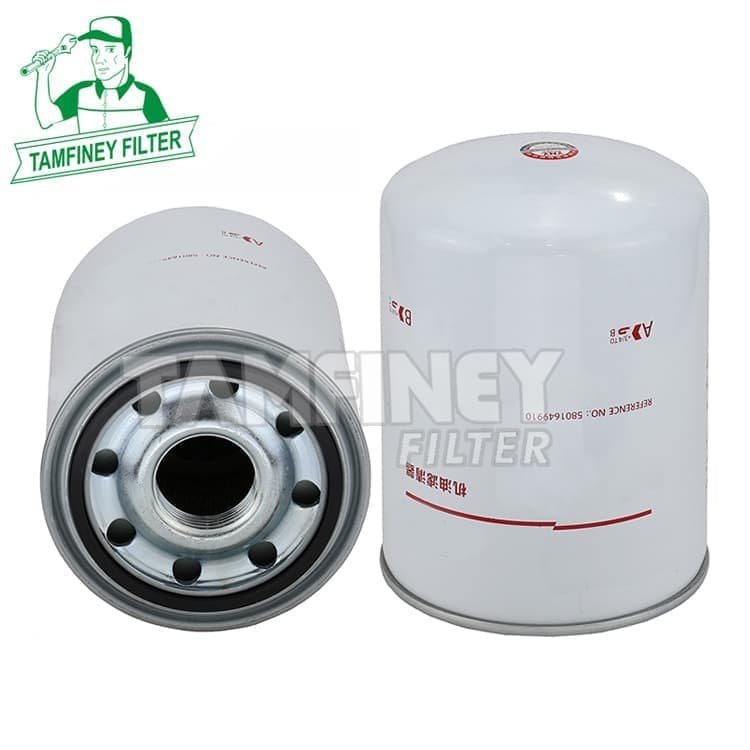



| Hydraulic Filter P550148 32/901401 32/901701 3I1597 SFH1591 Parameter: | |
| Part Number | P550148 32/901401 32/901701 3I1597 SFH1591 |
| Brand | Tamfiney |
| Weight | 1264 g |
| Height | 180 mm |
| Outer Diameter | 128 mm |
| Thread Size | 1 1/4-11 BSPT |
| Material | Metal & Paper |
| Filter Media | High-efficiency pleated cellulose paper |
| Casing | Painted steel outer body with perforated steel internal support |
| Typical Working Pressure | Up to approx. 6–10 bar |
| Filtration | Approx. 5–10 micron |
| Temperature Rating | Up to approx. 100–120°C |
| Minimum Order | 100 PCS |
| Place of Region: | Zhejiang, China |
| Payment Terms: | T/T |
| Price Terms: | FOB |
| Lead Time: | 30 to 50 days based on order quantities |
| Market Type: | After Market |
| Current Export Market: | Southeast Asian,North America, South America, Western Europe, Eastern Europe, Africa, Oceania |
Applications:
- DEUTZ - AGROTRON 100, 105, 106, 108, 110, 115, 118, 120, 128, 130, 135, 140, 150, 155, 165, 600, 610, 6140, 6150, 6155, 6160, 6165, 6175, 80, 85, 90, K100
- JCB - 525, 527, 530.
- KOMATSU - SK09, WB70, WB98.
Premium P550148 Hydraulic Filter 32/901401 32/901701 3I1597 SFH1591
Q: What is the purpose of a 10-micron hydraulic filter?
The main purpose of a 10 micron hydraulic filter is to filter out solid particle impurities, which is a diameter greater than or equal to 10 microns, protecting precision hydraulic valves, pumps, motors and other components from wear and jamming.
It belongs to the category of "ordinary precision" filtration (10-40 μm), commonly used in the pressure or return oil circuit of hydraulic systems, and is a key link to ensure system cleanliness and reliability.
🎯 What can be done specifically
- Protecting precision components: intercepting metal debris, rubber impurities, and other particles to prevent slide valve jamming, throttle hole blockage, and reduce malfunctions.
- Control oil cleanliness: Keep the oil flowing back to the tank clean and extend the service life of hydraulic oil.
- Widely applicable scenarios: commonly used in hydraulic systems of construction machinery (such as excavators), metallurgy, petrochemicals, wind power equipment, etc.
Q: What causes a hydraulic filter to collapse?
The most common reason for hydraulic filter collapse is that the filter t is severely clogged by pollutants, not replaced in a timely manner, resulting in a large pressure difference between the inside and outside, exceeding the bearing strength of the filter skeleton. Simply put, it means that dirt has blocked the filter, preventing oil from flowing through.
🔍 Specific reasons for disassembly
- Blockage leads to excessive pressure difference: After the filter element intercepts pollutants, the pores become smaller, and the pressure difference between the inlet and outlet sides continues to increase. When it exceeds the strength of the central pipe or filter layer skeleton, the filter element is crushed, deformed, or even exploded.
- Overdue service without maintenance: The filter element has a lifespan (such as 2000-2500 hours), but if it is not replaced after the expiration date, the filtration effect will decrease, the pressure difference will be high for a long time, the central pipe will be crushed, and the filter element will be deformed.
- Insufficient selection and pressure resistance: The rated pressure of the filter element is lower than the actual working pressure or peak pressure of the system, and the strength is not enough to be directly penetrated and deformed.
- High temperature or deterioration of oil: Long term high temperature softens the filter material and sealant, causing structural relaxation; The deterioration of oil products leads to accelerated blockage of sludge, further increasing the pressure difference.
- Installation or mechanical damage: Eccentricity during installation, tightness or looseness of the sealing gland, vibration fatigue of the pipeline, or violent operation during disassembly and assembly may cause uneven stress and deformation of the filter element.
- Direct impact on oil return port: Some inferior or non original filter elements lack anti impact structures, and the oil flow at the oil return port directly washes over the filter paper for a long time, causing local damage and collapse.
⚠️ Investigation and Prevention
- Priority check for differential pressure: If there is a differential pressure alarm or the value remains high, it can be basically determined that the filter element is clogged and needs to be replaced immediately.
- Replace the filter element according to the cycle: Do not replace it again when the pressure difference ruptures. It is safest to replace it regularly according to the equipment maintenance manual.
- Check the filter element model: Confirm that the rated pressure and filtration accuracy match the system parameters to avoid "small horses pulling big cars".
- Set bypass valve: Install a bypass valve on the end cover of the filter element, which will automatically open when the pressure difference is too large to prevent the filter element from being crushed.