Get a Free Quote

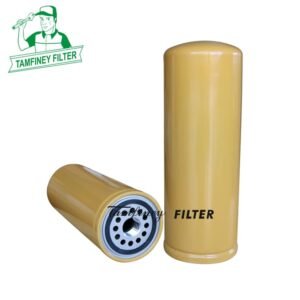
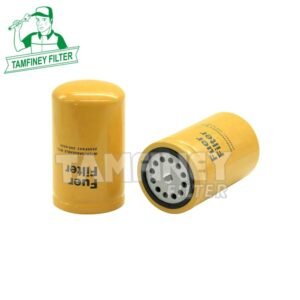
Professional Nissan Fuel Filter 23304-78090 23304-78091 EF-13070
Your Best Nissan Fuel Filter 23304-78090 23304-78091 EF-13070 Fuel filter manufacturer in China.
Hino 23304-78090 23304-78091 Sakura EF-13070 XTRA 23304.027


| Fuel Filter 23304-78090 23304-78091 EF-13070 Parameter: | |
| Part Number | 23304-78090 23304-78091 EF-13070 |
| Brand | Tamfiney |
| Weight | 236 g |
| Height | 112/146 mm |
| Outer Diameter | 78/85 mm |
| Inner Diameter/ Thread Size |
13 mm |
| Minimum Order | 100 PCS |
| Place of Region: | Zhejiang, China |
| Payment Terms: | T/T |
| Price Terms: | FOB |
| Lead Time: | 30 to 50 days based on order quantities |
| Market Type: | After Market |
| Current Export Market: | Southeast Asian,North America, South America, Western Europe, Eastern Europe, Africa, Oceania |
Applications:
• HINO
300 SERIES 611300 SERIES 714300 SERIES 814300 SERIES 815300 SERIES 915
• TOYOTA VU/LT/LW
DYNA 200 SWB 4,0
Professional Nissan Fuel Filter 23304-78090 23304-78091 EF-13070
Why Every Nissan Needs a Reliable Fuel Filter
When considering engine longevity, the Nissan Fuel Filter is essential. Not only does it keep your engine running smoothly, but it also prevents unwanted debris from causing harm. Additionally, clean fuel ensures optimal combustion, efficiency, and reduced emissions. Because impurities can quickly build up in the fuel tank, routine filter replacement is crucial. Moreover, investing in quality parts protects the overall health of your Nissan engine for years to come.
Understanding Your Options: 23304-78090, 23304-78091, and EF-13070
Choosing the right Nissan Fuel Filter means exploring fitment and features. While 23304-78090 is highly recommended for certain Nissan models, 23304-78091 is another well-matched alternative. Furthermore, EF-13070 offers compatibility for a range of engines and applications. Since every Nissan has its own specifications, always confirm the part number before purchasing. In addition, cross-referencing ensures the filter matches both physical dimensions and filtration requirements.
Replacing Your Nissan Fuel Filter Step by Step
Although filter replacement may sound complicated, it remains a straightforward process. First, make sure the engine is off and cool before starting the task. Next, gather the required tools and your selected Nissan Fuel Filter. Carefully disconnect fittings and remove the old filter, making sure all seals stay intact. Then, install the new 23304-78090, 23304-78091, or EF-13070, depending on your needs. Finally, check for any fuel leaks and restart the engine to test the system. Because clean fuel dramatically boosts performance, regular replacement pays off.
Watch for Signs of a Clogged Fuel Filter
Sometimes, your Nissan will show warning signs when it’s time for a new Nissan Fuel Filter. Common symptoms include engine hesitations, poor acceleration, and frequent stalling. Additionally, a noticeable drop in fuel economy may signal clogging issues. Because ignoring these problems can lead to injector damage, early intervention always saves money. Keep an eye on unusual engine noises and rough idling. By addressing these warning signs promptly, you safeguard your Nissan against bigger problems.
Tamfiney’s Dedication to Quality Nissan Fuel Filters
If you demand reliability, Tamfiney supplies only top-grade Nissan Fuel Filters. Not only do we offer genuine 23304-78090, but 23304-78091 and EF-13070 are readily available as well. Furthermore, every product is tested to meet strict standards for performance and durability. While other suppliers might offer generic parts, Tamfiney prioritizes precision and consistent quality. Additionally, we provide expert customer service to help match each filter to your exact vehicle model.
Maximizing Value with Tamfiney Nissan Fuel Filters
Routine maintenance becomes simpler when you choose Tamfiney for your Nissan Fuel Filter replacements. Since we focus on delivering high-quality products, you get peace of mind with every installation. Moreover, our efficient logistics ensure fast delivery and competitive pricing. Because filter changes support engine reliability, Tamfiney is your trusted partner for long-term performance. Consult our team for technical insights and make every Nissan fuel filter replacement count.
Secure Your Nissan’s Future with Professional Filter Solutions
In summary, Tamfiney leads the industry with its Nissan Fuel Filter offerings—whether you need 23304-78090, 23304-78091, or EF-13070. Not only do our products ensure superior fuel filtration, but they also unlock better mileage and smoother driving. Furthermore, we assist clients in selecting and installing the right filter for every Nissan application. Contact Tamfiney today—enhance engine performance and enjoy years of worry-free driving with genuine Nissan Fuel Filters.
Q: When should I replace my Nissan fuel filter?
The replacement time of Nissan fuel filters is not fixed and mainly depends on the mileage, service life, and your specific driving environment. Overall, the reference period for the core is between 20000 to 40000 kilometers or replaced every 2 years.
However, the most crucial thing is to flexibly adjust according to your actual situation. The following are specific criteria and suggestions for judgment:
🔧 Core replacement cycle reference
• General recommendation: For most daily driving situations, it is recommended to replace it after driving around 20000 kilometers.
• Extended cycle: If the fuel quality is good and the vehicle engine is running well, the replacement cycle can be appropriately extended to 30000 to 40000 kilometers or 2 years.
⚠️ Several situations that require early replacement
If the following situations occur, it is recommended that you shorten the replacement cycle or check the replacement in a timely manner:
1. Poor fuel quality: If you frequently refuel at gas stations where the quality of the fuel is not guaranteed, or if you find that the fuel is draining from the bottom or tank truck during refueling, there are many impurities in the fuel, which will greatly shorten the life of the filter element. It is recommended to replace it every 30000 kilometers or 2 years.
2. Poor vehicle operating environment: If driving frequently in areas with high levels of sand and dust such as deserts and construction sites, a large amount of dust may enter the fuel system and need to be replaced in advance.
3. Engine malfunction signal: This is the most direct basis for judgment. If the following phenomena occur, it is likely that the fuel filter is clogged or too dirty and needs to be checked and replaced immediately:
Acceleration lag: When stepping on the accelerator, I feel that the power cannot keep up, especially during rapid acceleration.
Cold start difficulty: Multiple ignitions are required to start the vehicle.
Abnormal increase in fuel consumption: Despite unchanged driving habits and road conditions, fuel consumption has significantly increased.
Unstable idle or stalling.
💡 Precautions for replacement operation
• Professional operation: The fuel system involves safety, and it is recommended to have it replaced by professional maintenance personnel to ensure correct and safe installation.
• Pay attention to the installation direction: When replacing, be sure to pay attention to the arrow indication on the filter housing, which must point towards the engine to ensure the correct fuel flow direction.
• Check for oil leakage: After installation, start the engine and run it for a few minutes to check for fuel leaks at the interface.
To sum up, the replacement of Nissan fuel filters should not only refer to mileage and time, but also pay attention to fuel quality and the actual performance of the engine. Regular replacement is the key to ensuring engine performance and fuel economy, avoiding losses due to minor issues.
Q: How much does it cost to replace a fuel filter on a Nissan?
The cost of replacing Nissan fuel filters varies greatly depending on the vehicle model, repair location (such as 4S or regular repair shops), and type of fuel filter (internal or external). The following are cost references based on common situations:
Regular repair shops: The cost is usually lower, around $7 to $12.
4S dealership: The cost is relatively high, usually around 22 US dollars.
If considering a broader market situation, the total cost of replacing the fuel filter (including parts and labor) may range from $15 to $150, depending on the complexity of the vehicle model and regional differences. For example, the replacement cost of an internal fuel filter is relatively high, possibly reaching $45 to $75, while an external one is relatively cheaper, around $15 to $45 more.
Suggestion: The actual cost may vary depending on the vehicle model (such as the specific year of Nissan Sylphy), accessory brand, and local labor costs. To obtain an accurate quotation, it is best to consult a local repair service provider.
Q: What is the life expectancy of a fuel filter?
The expected lifespan of a fuel filter is not fixed and mainly depends on factors such as its type (external or internal), vehicle usage environment, fuel quality, and driving habits. The following is a summary based on common situations:
External fuel filter: usually installed outside the fuel tank, with a short expected lifespan. It is generally recommended to replace it every 10000 to 30000 kilometers. If driving frequently in dusty environments or using inferior fuel, the cycle may be shortened to 10000 to 15000 kilometers.
Built in fuel filter: integrated into the fuel pump inside the fuel tank, with a long design life, it is usually recommended to replace it every 40000 to 100000 kilometers. With good fuel quality and proper maintenance, some models can be extended to 80000 to 100000 kilometers, but most recommend using 40000 to 80000 kilometers as a reference.
Key factors affecting lifespan:
• Fuel quality: Long term use of high-quality fuel can extend the lifespan of the filter, while low-quality oil or fuel with more impurities can accelerate clogging and require a shorter replacement cycle.
• Driving environment: Frequent short distance driving, humid areas, or when using ethanol gasoline, moisture and impurities are prone to accumulate. It is recommended to prioritize the time cycle (such as replacing every 1-2 years).
• Vehicle usage: If the vehicle is frequently driven in harsh road conditions or the fuel is unstable, the replacement cycle may need to be advanced to about 30000 kilometers.
Notes:
The recommendations in the vehicle manual are usually conservative and may have a longer actual lifespan, but if there are symptoms such as difficulty starting cold, weak acceleration, abnormally high fuel consumption, or engine malfunction lights, they should be checked and replaced in a timely manner.
The replacement of the built-in filter is relatively complicated, and it is recommended to have a professional operate it to avoid self disassembly and damage.
Comparing the lifespan differences between aftermarket and original parts, the following points can be used for reference:
• Performance and lifespan: Original fuel filters are usually customized according to vehicle design parameters, and their filtration efficiency and durability may be more stable. The lifespan matches the manufacturer's recommended cycle (such as 40000 to 80000 kilometers) more closely. In the market accessories, high-quality brand products may have a lifespan close to that of the original factory, but inferior products may have a shortened lifespan due to material or process differences, and even affect engine performance.
• Adaptability and reliability: Original factory accessories provide more assurance in terms of installation adaptability and long-term reliability, while market accessories should pay attention to choosing reputable brands to avoid risks caused by poor filtering effect or leakage.
• Economy: Market accessories usually have lower prices, but if their lifespan is short or they need to be replaced frequently, long-term costs may increase. It is recommended to prioritize selecting market products that meet vehicle specifications (such as filter accuracy and interface standards) and refer to the recommendations in the vehicle manual.
Suggestion
The replacement cycle should be comprehensively judged based on the vehicle manual and actual driving conditions (such as frequent traffic jams or poor fuel quality requiring early replacement).
When selecting market accessories, give priority to well-known brands and ensure compatibility with the vehicle model; Regularly check the status of the filter to avoid engine failure caused by blockage.