Get a Free Quote

Professional Mitsubishi Pajero Fuel Filter 1770A337 23390-0L050 VH23303EV010 SK48746
Your Best Mitsubishi Pajero Fuel Filter 1770A337 23390-0L050 VH23303EV010 SK48746 Fuel filter manufacturer in China.
KOBELCO VH23303EV010 TOYOTA 23390-OL050 23390-0L050 MITSUBISHI 1770A337 MAZDA U2Y0-13-ZA2 SCHUPP SF SK48746


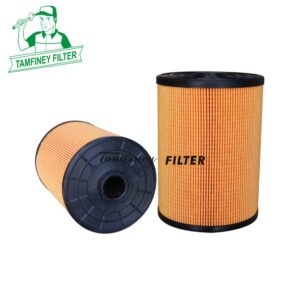
| Fuel Filter 1770A337 23390-0L050 VH23303EV010 SK48746 Parameter: | |
| Part Number | 1770A337 23390-0L050 VH23303EV010 SK48746 |
| Brand | Tamfiney |
| Weight | 120 g |
| Height | 88 mm |
| Outer Diameter | 84 mm |
| Inner Diameter/ Thread Size |
mm |
| Minimum Order | 100 PCS |
| Place of Region: | Zhejiang, China |
| Payment Terms: | T/T |
| Price Terms: | FOB |
| Lead Time: | 30 to 50 days based on order quantities |
| Market Type: | After Market |
| Current Export Market: | Southeast Asian,North America, South America, Western Europe, Eastern Europe, Africa, Oceania |
Applications:
• MITSUBISHI 4X4 PAJERO SPORT III 2,4 DI-D 4X4
• MITSUBISHI VU/LT/LW L 200 2400 DI-DL 200 2,4 DI-DL 200 2,4 DI-DL 200 2,4 DI-D 4WDL 200 2,4 DI-D 4WD
Professional Mitsubishi Pajero Fuel Filter 1770A337 23390-0L050 VH23303EV010 SK48746
Enhance Pajero Reliability with 1770A337 Fuel Filter
Driving a Mitsubishi Pajero demands robust engine protection. Therefore, using the Mitsubishi Pajero Fuel Filter 1770A337 becomes crucial. Not only does it remove impurities, but it also helps maintain smooth engine performance. Moreover, cleaner fuel extends your vehicle’s lifespan while reducing service costs.
Compare Top Pajero Fuel Filters
Although 1770A337 is often chosen, models like 23390-0L050 and VH23303EV010 are popular alternatives. For example, both provide excellent filtration and strong durability. Meanwhile, SK48746 offers easy installation and reliable operation for everyday use. Therefore, Pajero owners have several dependable filter options.
Why Fuel Filter Maintenance Matters
Neglecting filter changes can cause engine trouble quickly. Because debris clogs the fuel supply, acceleration becomes sluggish. Eventually, fuel consumption increases and repairs cost more. However, regular replacement with 1770A337 or 23390-0L050 keeps engines efficient and responsive.
TAMFINEY’s Quality Commitment
At TAMFINEY, every Mitsubishi Pajero Fuel Filter meets strict quality standards. For instance, each 1770A337 filter undergoes thorough inspection before leaving the factory. Furthermore, advanced filtration material maximizes protection against tiny contaminants. Thus, drivers experience fewer breakdowns and greater peace of mind.
Simple Filter Installation Steps
First, ensure the engine is cool. Next, remove the old fuel filter carefully. Afterward, install a new one—such as 1770A337 or VH23303EV010. In addition, check all connections for leaks before finishing. As a result, your Pajero instantly enjoys safer, cleaner fuel.
Eco-Friendly Innovation and Customer Support
TAMFINEY uses recyclable packaging to reduce environmental impact. Moreover, each filter design helps lower exhaust emissions for greener driving. Instead of complicated choices, our team guides you in selecting 1770A337, SK48746, or any alternative. Customers benefit from expert support and swift delivery every time.
Choose TAMFINEY for Lasting Pajero Protection
To sum up, fuel filter quality impacts Pajero performance and durability. Whether you need 1770A337, 23390-0L050, VH23303EV010, or SK48746, TAMFINEY delivers trusted solutions. With superior filtration, eco-conscious packaging, and responsive service, your vehicle stays powerful and protected. Contact TAMFINEY now for worry-free driving year-round.
Q: How much does it cost to replace a fuel filter on a Pajero?
1. Model and filter type: Some models of Pajero have built-in fuel filters (integrated with the fuel pump in the fuel tank), which require dismantling the fuel tank for replacement, resulting in higher labor and accessory costs. The specific cost is best based on the actual model of your vehicle and the quotation from the repair shop.
2. The importance of regular replacement: The fuel filter needs to be replaced regularly to prevent impurities from clogging and affecting engine performance. If not replaced for a long time, it may cause damage to the fuel injector or oil pump, and the repair cost will be much higher than replacing the filter itself.
3. Safety reminder: Replacing fuel system components poses safety risks, and must be carried out under safety measures such as power outage and oil pressure release, and attention should be paid to fire and static electricity prevention.
If you wish to obtain the most accurate quotation, it is recommended to directly consult the Pajero 4S store or a reputable professional repair shop in your location, providing your vehicle information to obtain a detailed quotation.
Q: How to unclog a fuel filter without removing it?
There is no direct mention of the specific method for loosening the connecting pipeline or fixing device of the fuel filter without disassembling the fuel filter body.
Although these materials provide a detailed description of the complete steps for replacing the fuel filter, the core operations all involve dismantling pipelines and fasteners. However, based on this information, we can provide you with tips on how to handle the connection part relatively easily during the replacement process to reduce operational difficulty.
Q: What can I put in my gas tank to clean the fuel filter?
There are two main ways to clean fuel filters: one is to directly add specialized chemical cleaning agents (known as "fuel treasure") to the fuel tank, and the other is to use professional equipment for physical cleaning. Below, we will provide you with a detailed introduction to these two methods and related precautions.
1. Add fuel cleaner (the most commonly used household maintenance method)
This is the simplest method to indirectly clean the fuel filter by regularly adding specialized cleaning agents to dissolve carbon deposits and gum in the fuel circuit.
Recommended products: Common brands on the market include Chepu, Goodway, HBOIL, etc. The main components of these products are ether compounds, which can effectively dissolve carbon deposits. four
• Usage:
1. When refueling, pour a bottle of cleaning agent (usually around 50ml) directly into the full tank of gasoline.
2. The general addition ratio is 1:1000 (for example, 50ml of additive to 50 liters of gasoline), please refer to the product instructions for details.
3. For optimal results, it is recommended to add 2-3 times in a row to allow the cleaning agent to circulate and thoroughly clean the entire oil circuit.
Advantages: Simple operation, low cost, suitable for daily maintenance.
Disadvantages: The effect is relatively mild, and the cleaning effect is limited for severely clogged filters, requiring long-term consistent use.
2. Professional equipment deep cleaning (more thorough effect)
This method requires professional cleaning equipment that can perform deeper cleaning on the fuel system, including fuel injectors, intake valves, and other parts, in order to more effectively protect and clean the fuel filter.
Process Overview: Operated by professional technicians, the cleaning agent is directly injected into the fuel system by connecting a dedicated cleaning machine, while the engine is running, allowing the cleaning agent to completely decompose carbon deposits in circulation.
Advantages: Thoroughly clean and significantly improve engine performance.
Disadvantages: Need to go to a professional repair shop, which incurs high costs.
Important precautions
• Choose the appropriate product: When purchasing, please identify a reputable brand and select the corresponding product based on your vehicle model and fuel type (gasoline/diesel).
• Avoid excessive addition: Do not add too much cleaning agent at once, otherwise it may cause a large amount of carbon deposits to fall off and clog the filter.
• Regularly replace the filter: Cleaning agents are mainly used for "cleaning" rather than "replacement". The fuel filter itself is a consumable, and even if cleaning agents are used, it should be replaced regularly according to the manufacturer's recommended mileage (usually every 20000 to 40000 kilometers) to ensure optimal performance.
• Observe vehicle reaction: After the first use of the cleaning agent, the vehicle may experience a brief period of unstable idling or a slight increase in fuel consumption, which is a normal process of carbon deposition being dissolved. If the problem persists or worsens, it is recommended to perform professional oil circuit cleaning and check the condition of the filter.
In summary, for daily maintenance, adding reliable fuel cleaning agents to the fuel tank is the most feasible household method for cleaning fuel filters. If your vehicle has experienced significant issues such as decreased power and increased fuel consumption, it is recommended to seek the help of a professional organization for a thorough cleaning.