Get a Free Quote
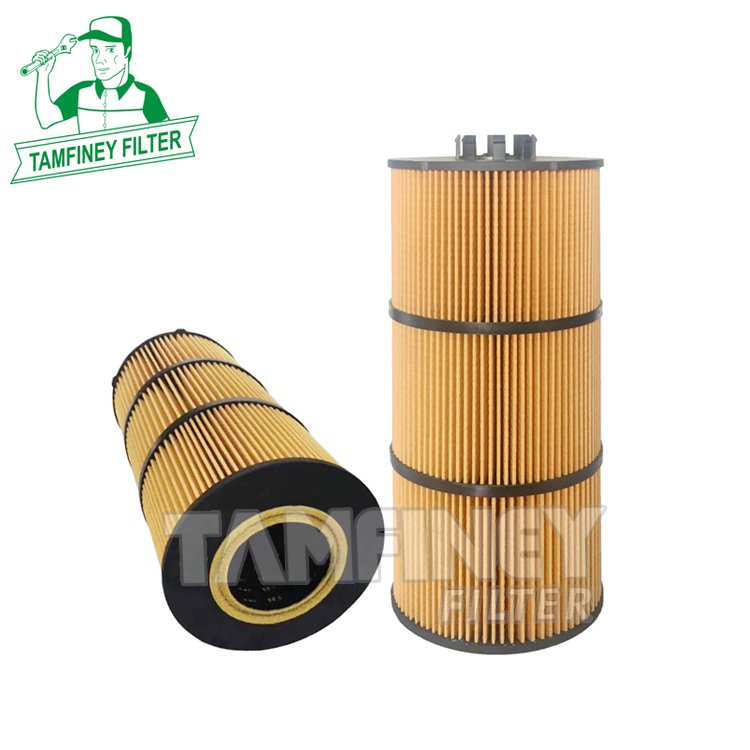
Premium Mercedes Benz diesel oil filter P7505 E510H07D129 4721800109 LP5090 A4721841225
Your best Mercedes Benz diesel oil filter P7505 E510H07D129 4721800109 LP5090 A4721841225 Oil filter manufacturer in China.
Benz A4721800309, A4721840525; A4721800409 A4721800609 4721800109 4721800309 4721800409 A4721840225 4721800509 4721800209, 4721840425, 4721840525, 4721841025, 4721841125, 4731800009, A4721800209 A4721840425, A4721841025 A4721841125, A4731800009 P7505 E510H07D129 LP5090 Hengst E510H04, E510H06D129 E510H07D129,E510H04D129 E510H06D254


| Oil Filter P7505 E510H07D129 4721800109 LP5090 A4721841225 Parameter: | |
| Part Number | P7505 E510H07D129 4721800109 LP5090 A4721841225 |
| Brand | Tamfiney |
| Height | 263 mm |
| Outer Diameter | 121 mm |
| Inner Diameter/Thread Size | 53 mm |
| Minimum Order | 500 pcs |
| Place of Region: | Zhejiang, China |
| Payment Terms: | T/T |
| Price Terms: | FOB |
| Lead Time: | 30 to 50 days based on order quantities |
| Market Type: | After Market |
| Current Export Market: | North America, South America, Western Europe, Eastern Europe, Africa, Oceania |
What are the main applications for the P7505?
KASSBOHRER-SETRA S 407S 407 COMFORT CLASS 400S 431 DT EURO 6S 431 DT TOP CLASSS 515 HDH TOP CLASSS 515 HDH TOP CLASSS 516 HD COMFORTCLASSS 516 HD COMFORTCLASSS 516 HDH TOP CLASSS 516 HDH TOP CLASSS 517 HD COMFORTCLASSS 517 HDH TOP CLASSS 517 HDH TOP CLASSS 519 HD COMFORTCLASSS 531 DT TOP CLASS
KRONE BiG X 480BIG X 480BIG X 480 ST3BiG X 530BIG X 530BiG X 580BiG X 630BIG X 630
MERCEDES ACTROS 1842 L BLUETECACTROS 1842 L BLUETECACTROS 1842 LS BLUETECACTROS 1842 LS BLUETECACTROS 1842 MP5 BlueTecACTROS 1845 L BLUETECACTROS 1845 L BLUETECACTROS 1845 LS BLUETECACTROS 1845 LS
MISTA FUSO FU
MITSUBISHI FUSO FP41OG1 AIRFUSO FP54SGR AIRFUSO FS470S1FUSO FS52SSFUSO FS52SSFUSO FV470J1FUSO FV470K1FUSO FV51SKFUSO FV51SKFUSO
FV51SKFUSO FV54JR AIRFUSO FV54ST AIRFUSO SUPER GREAT 350
MTU 6 R 13006 R 1500
PRINOTH LEITWOLF LINEW LEITWOLFNEW LEITWOLF LI
ROPA EURO-PANTHERPANTHERTIGER 5
ROSTSELMASH RSM F 2650
SISU 420 POLAR ROCK420 TIMBER420 WORKS480 POLAR ROCK480 TIMBER480 Timber 480Polar Timber 510Polar Timber 530Polar Works 420Polar Works 480Polar Works 510Polar Works 530Solar Rock 480
TADANO AC 5.120-1AC 5.220-1AC 6.300-1AC 7.450-1AC 8.500-1AC 9.700-1ATF 120-5.1ATF 200-5.1ATF 200G-5ATF 400G-6
TEREX 3800 SUPERFLIT
Premium Mercedes Benz diesel oil filter P7505 E510H07D129 4721800109 LP5090 A4721841225
Q: What happens if I neglect to change the oil filter?
Neglecting oil filter replacement can trigger a chain reaction of engine problems. The oil filter filters impurities and metal debris from engine oil, ensuring clean oil circulation and lubrication. Once it fails, harm intensifies gradually.
Short-Term Impacts
- Weakened lubrication: Clogged filters reduce oil flow and pressure, increasing friction. This causes insufficient power, weak acceleration, and poor fuel economy, raising fuel consumption.
- Increased oil pollution: Old filters can't intercept impurities. Pollutants quickly reduce oil cleanliness and lubrication performance, potentially exceeding normal pollution levels after short drives (e.g., 500 kilometers).
Long-Term Mechanical Damage
- Wear of key components: Impurity particles (5-10 microns) accelerate abrasive damage to precision parts like crankshafts and camshafts. Severe cases may cause cylinder wall scratches or piston ring failure.
- Oil circuit blockage and overheating: When filter paper pores are blocked by over 60%, the bypass valve may open, circulating unfiltered oil. This can cause insufficient oil supply to hydraulic tappets, abnormal noise, or oil sludge blockage of the VVT solenoid valve, reducing power output by 10%-15%.
- Engine failure and shortened lifespan: Continuous lack of lubrication may trigger oil pressure alarms. Extreme cases can lead to fuel cut-off, difficulty starting, overheating, oil burning, mechanical noise, or major repairs, significantly reducing engine lifespan (typically 150,000-250,000 kilometers).
Economic and Maintenance Costs
Initially cost-effective, neglecting replacement leads to high actual costs. Short-term, fuel consumption may slightly increase (about 0.5L/100km). Long-term, frequent maintenance, parts replacement, and potential major repairs cost much more than regular maintenance. Performance degradation may also cause emissions to exceed standards, increasing environmental compliance risks.
Prevention Recommendations
- Follow maintenance standards: Change oil and filter synchronously every 5,000-10,000 kilometers (refer to the vehicle manual and oil type). Shorten the cycle in dusty or extreme weather.
- Use original or certified filters: Avoid leakage or insufficient filtration efficiency from inferior products.
Q: What is the difference between Mercedes fleece and paper oil filters?
Mercedes fleece filters are superior to traditional paper filters, featuring a stronger, synthetic (pleated fleece) media that captures more contaminants, lasts significantly longer (up to 45% more), and resists deterioration during modern extended synthetic oil change intervals, preventing the unfiltered oil bypass that cheaper paper filters can cause in demanding Mercedes engines.
Mercedes Fleece Filters (OEM/High-Quality)
- Material:High-quality, pleated synthetic fleece.
- Durability:Much stronger, resists tearing and collapsing under pressure.
- Performance:Captures finer particles and maintains filtration efficiency longer, ideal for extended oil change intervals.
- Fit:Precise fit with proper tension to prevent oil bypassing.
- Lifespan:Lasts significantly longer, often matching extended service intervals.
Paper Filters (Cheaper/Aftermarket)
- Material:Cellulose (paper).
- Durability:Weaker, can become brittle, and may deform or tear, especially with synthetic oils.
- Performance:Filters less effectively over time and can fail under high heat/stress, leading to unfiltered oil entering the engine.
- Fit:May have looser tolerances, allowing for oil bypass.
- Lifespan:Shorter, requiring more frequent changes; inadequate for long intervals.
For modern Mercedes-Benz engines, especially those using synthetic oils and designed for longer service intervals, fleece filters are essential for optimal engine protection; paper filters are generally insufficient and can lead to premature wear or damage. Genuine Mercedes or high-quality aftermarket fleece filters (like Mann) are recommended to ensure correct fit and performance.
Q: What type of filter is the Baldwin P7505?
The P7505 is a lube oil filter element (cartridge-style, not a spin-on filter). It is designed to remove contaminants from the engine oil, protecting internal components from wear and tear.