Get a Free Quote

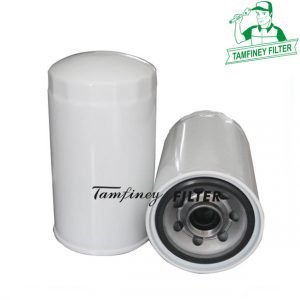
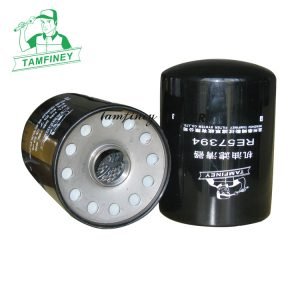
Komatsu Baldwin Oil Filter BD7154 BD7153 600-211-1340 7612210
Your best Komatsu Baldwin Oil Filter BD7154 BD7153 600-211-1340 7612210 Oil filter manufacturer in China.
Baldwin BD7154 BD7153 KOMATSU 600-211-1340 ,600-211-1341 ,621-654-5110 ,E600-211-1340 6216-54-5110 Doosan 474-00034A 474-00034 CASE 7612210 ,324617A1 ,441700A1 ATLAS COPCO-5580011671 BALDWIN-BD7153 ,BD7154 ,BD7355 FOTON-3101869X0571A ; FRAM-PH8690 ,PH8691 ,PH8691A ,PH8960 HITACHI-E12979663 ,E12979905



| Oil Filter BD7154 BD7153 600-211-1340 7612210 Parameter: | |
| Part Number | BD7154 BD7153 600-211-1340 7612210 |
| Brand | Tamfiney |
| Weight | 1786 g |
| Height | 330 mm |
| Outer Diameter | 118 mm |
| Inner Diameter/ Thread Size |
M95*2.5 |
| Minimum Order | 100 PCS |
| Place of Region: | Zhejiang, China |
| Payment Terms: | T/T |
| Price Terms: | FOB |
| Lead Time: | 30 to 50 days based on order quantities |
| Market Type: | After Market |
| Current Export Market: | North America, South America, Western Europe, Eastern Europe, Africa, Oceania |
What is 600-211-1340 used for?
KOMATSU
BR 580 JG-1D 155 AX-6D 155 AX-8D 155 AX-8E0D 155 AXi-8D 155 AXi-8E0D 275 AX-5D 375 A-8D 65 PX/EX 15D 85 EX-15D 85 EX-18D 85 EX-18E0D 85 EXi-18D 85 EXi-18E0D 85 PX-15D 85 PX-18D 85 PX-18E0D 85 PXi-18D 85 PXi-18E0HD 1500-7HD 325-7RHD 325-8HD 325-8E0HD 405-6HD 405-7HD 405-8HD 405-8E0HD 465-7 RHD 605-7HD 785-7HD 787-7HM 300-1HM 300-2HM 300-2HM 300-3HM 300-5HM 350-2HM 400HM 400-3HM 400-3 RPC 400-7 LCPC 450-7
Premium Komatsu Baldwin Oil Filter BD7154 BD7153 600-211-1340 7612210
Q: Do oil filters get tighter when hot?
When the engine is hot, the metal housing and sealing ring inside the oil filter will undergo thermal expansion due to heat, resulting in a slight increase in overall size and a physical effect of "tightening" in the installation position.
This thermal expansion phenomenon is one of the main reasons why it is usually recommended to tighten the oil filter by only three-quarters of a turn during installation. Specifically:
Sealing rubber ring expansion: The rubber sealing ring at the bottom of the oil filter will expand and harden when it comes into contact with hot oil. If the filter is tightened too tightly during installation, the expanded sealing ring will generate greater friction with the mounting seat, making it extremely difficult to disassemble during the next replacement, and may even damage the installation threads on the filter housing or engine.
Avoid excessive tightening: Therefore, maintenance standards typically recommend tightening the filter by hand until the sealing ring contacts the mounting surface, and then using tools to tighten an additional three-quarters of a turn (approximately 270 degrees). This additional torque is sufficient to ensure sealing and reserve space for thermal expansion, preventing disassembly problems or damage to the filter element due to being too tight.
In short, the oil filter itself does not "automatically" tighten when it is hot, but its material expands when heated, making the fit between it and the mounting seat "tighter". This is the fundamental reason why a margin needs to be reserved during installation.
Q: When you install a new oil filter, how tight should it be?
The correct tightening degree is crucial when installing a new oil filter, ensuring sealing to prevent oil leakage and avoiding damage to the filter due to excessive tightening. Overall, the most common and recommended operating methods are as follows:
1. Manual pre tightening: First, manually screw the new oil filter into the filter seat until the sealing ring contacts the end face of the filter seat. This step ensures the initial alignment and positioning of the filter.
2. Final tightening with wrench: After manually pre tightening, use a specialized oil filter wrench and tighten an additional three-quarters of a turn (3/4 turn).
3. Check for oil leakage: After installation and adding new oil, start the engine and let it run for a few minutes, then turn off the engine. Carefully check if there is any leakage at the connection between the bottom of the oil filter and the filter seat. If oil leakage is found, the engine should be immediately shut down and the installation should be rechecked.
Q: Is it okay to hand tighten an oil filter?
Manual tightening is the standard and recommended method for oil filters. Their design encourages manual installation. Sealing depends on the rubber ring at the filter's base, not excessive torque.
Before installing a new filter, apply a thin oil layer to its sealing ring. This helps create a better seal. It also prevents seal damage during installation.
Align the new filter with its position. Rotate it clockwise by hand until the sealing ring touches the mounting surface. After contact, tighten it manually by 3/4 turn (about 270 degrees). This force ensures sealing without over-tightening.
Why use manual tightening? First, it avoids damage. Tools like wrenches can compress or tear the rubber seal, causing leaks. Over-torqueing may also harm filter threads or engine mounting seats, complicating future replacements.
Second, manual tightening works well. If the sealing ring contacts properly and you tighten by 3/4 turn, it provides enough sealing force. Engine pressure during operation further aids sealing.
Some materials suggest using wrenches in tight spaces or for stuck filters. But these tools only assist screwing in, not forceful tightening. The final step should still rely on manual feeling, following the "3/4 turn after contact" rule.