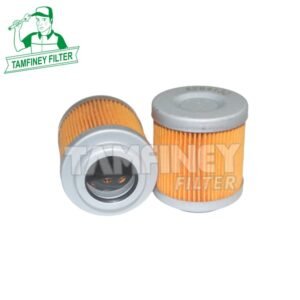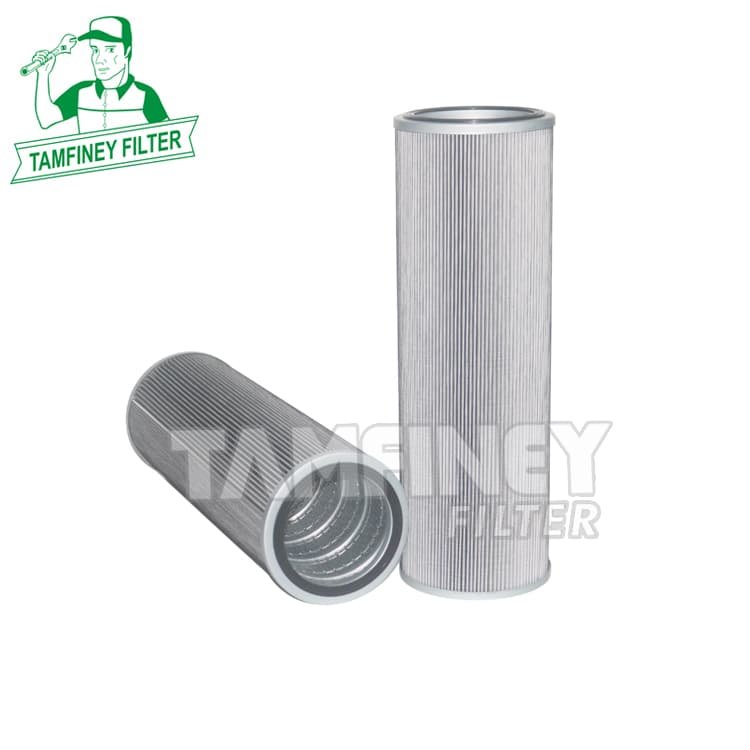



| Hydraulic Filter K9005928 400504-00277 PT8366 Parameter: | |
| Part Number | K9005928 400504-00277 PT8366 |
| Brand | Tamfiney |
| Weight | 2536g |
| Height | 450 mm |
| Outer Diameter | 150 mm |
| Inner Diameter/ Thread Size | 110 mm |
| Minimum Order | 100 PCS |
| Place of Region: | Zhejiang, China |
| Payment Terms: | T/T |
| Price Terms: | FOB |
| Lead Time: | 30 to 50 days based on order quantities |
| Market Type: | After Market |
| Current Export Market: | Southeast Asian,North America, South America, Western Europe, Eastern Europe, Africa, Oceania |
Applications:
- Doosan / Doosan Daewoo Excavators: Models such as DX300LC, DX300LL, DX480LC, DX520LC, DX138, 280LC-III Solar, and 280LCV MkIII.
- Doosan / Doosan Daewoo Wheel Loaders: Models such as DL200, DL200A, DL200TC, DL200 TONY, DL220, DL250, DL250T, DL300, DL350, DL400, DL400A, DL450, DL500, and 300 Mega MkV.
- Other Heavy Equipment: Hitachi, Komatsu, Sumitomo, Kobelco, Caterpillar, and Mitsubishi depending on the specific cross-referenced variant.
Professional K9005928 Excavator Hydraulic Filter 400504-00277 PT8366
Q: What filters does an excavator have?
The filtering devices of excavators are mainly distributed in four major parts: intake, fuel, oil, and hydraulic systems. The core includes air filters, diesel filters (including fuel-water separators), oil filters, hydraulic oil filters (suction, return, pilot, and pipeline filters), and some models also come with cabin air filters.
- Air filter: The air filter is responsible for filtering out dust and impurities entering the engine. It usually adopts a two-stage design of main filter element and safety filter element, with the safety filter element providing a bottom cover when the main filter element is damaged. It is recommended to clean up environments with high dust levels before starting work every day.
- Fuel filter: Diesel fuel comes out of the fuel tank, usually first passing through an fuel-water separator, then through diesel coarse and fine filters, and finally entering the high-pressure fuel pump. The fuel-water separator mainly removes water, and the coarse and fine filters intercept mechanical impurities. The filtration accuracy of diesel filter cartridges is generally between 10-20 microns.
- Oil filter: The oil filter removes impurities such as dust, metal particles, and carbon deposits from the engine oil, protecting the moving parts of the engine. Generally, it is replaced along with the engine oil every 250-500 working hours.
- Hydraulic oil filter: Hydraulic systems usually have multiple lines of defense. The oil suction filter is installed at the oil suction port of the hydraulic pump, with a low filtration accuracy (100-180 microns), mainly to prevent large particles and impurities from entering the pump; The return oil filter element is installed on the return oil path, with a filtration accuracy of 10-30 microns and a bypass valve; The pilot filter protects the pilot valve with high accuracy (10-20 microns).
Q: What are the symptoms of a clogged excavator hydraulic filter?
- Action slows down and lacks power: The arm lift is sluggish, and there's a sense of "weak legs" when digging hard soil, with noticeably reduced strength. The hydraulic pump struggles to suck oil, making it difficult to build pressure.
- High hydraulic oil temperature: Clogged filters cause poor oil flow, increasing resistance and frictional heat, which raises system temperature and may damage seals in severe cases.
- Internal leakage increases: Insufficient oil supply can exacerbate internal leakage in the hydraulic system, further intensifying temperature rise and operational weakness.