Get a Free Quote
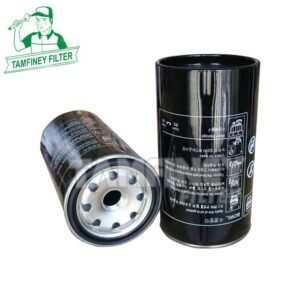
Professional John Deere Filter Cross Reference RE546336 87803444 87803443 84269163
Your Best John Deere Filter Cross Reference RE546336 87803444 87803443 84269163 Fuel filter manufacturer in China.
John Deere RE546336 87803444 87803443 84269163 RE516477 MANN WK8130 RENAULT VI-6005028153


|
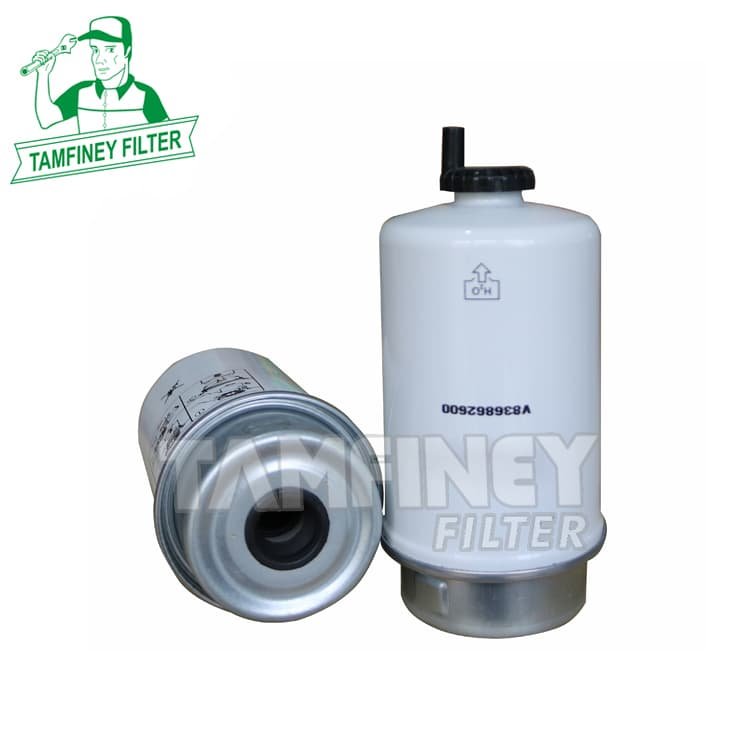
Fuel Filter RE546336 87803444 87803443 84269163 Parameter: |
|
| Part Number | RE546336 87803444 87803443 84269163 |
| Brand | Tamfiney |
| Weight | 327 g |
| Height | 155 mm |
| Outer Diameter | 88 mm |
| Inner Diameter/ Thread Size |
|
| Minimum Order | 100 PCS |
| Place of Region: | Zhejiang, China |
| Payment Terms: | T/T |
| Price Terms: | FOB |
| Lead Time: | 30 to 50 days based on order quantities |
| Market Type: | After Market |
| Current Export Market: | Southeast Asian,North America, South America, Western Europe, Eastern Europe, Africa, Oceania |
Applications:
• JOHN DEERE
4045 DFM 70-M24045 TFM 75-M14045 TFM 75-M24045 TFM 75-M35090 M5090 M5100 M5100 M5100 R5115 M5115 M5115 R5125 R6090 MC6100 MC6100 RC6105 M6105 R6110 M6110 MC6110 RC6115 M6115 R6120 R6125 M6125 R6130 M6130 R623062306330633064306430
Professional John Deere Filter Cross Reference RE546336 87803444 87803443 84269163
Protecting Your John Deere Engine with Quality Filtration
Every John Deere machine demands a dependable filter for peak operation. Because contaminants easily invade fuel streams, choosing the right product is crucial. In particular, the RE546336 filter stands out for robust performance and tight tolerances. Moreover, a superior filter blocks harmful debris before it damages vital components. Instead of risking engine failures, prioritizing quality filtration leads to smoother operation and longer equipment life.
Exploring Versatile Filter Cross References
Although RE546336 serves as the core reference, other filters can offer critical support. For example, 87803444 and 87803443 provide strong filtration across multiple John Deere models. Additionally, 84269163 matches specific machinery, expanding compatibility and value. Instead of settling for generic parts, using the John Deere Filter Cross Reference boosts efficiency and maintains OEM standards. Furthermore, alternative references simplify maintenance, making service more flexible for field repairs.
The Importance of Effective Filter Selection
Many owners underestimate the risk of improper filter selection. Yet, using the correct filter—whether RE546336 or 87803443—reduces wear and minimizes clogging. Thus, the RE546336 ensures reliable engine performance even under challenging conditions. Besides greater dependability, a proper cross reference supports fuel economy and lowers emissions. Consequently, the right filter means fewer repairs and less stress during peak fieldwork seasons.
TAMFINEY’s Promise: Precision and Endurance
TAMFINEY puts customer needs and product reliability first. Each filter, including RE546336, undergoes strict testing for durability and filtration strength. Besides meeting John Deere specifications, our products deliver consistent results when exposed to harsh environments. Additionally, alternative filters like 87803444 and 84269163 are engineered for extended service intervals. Instead of frequent replacements, TAMFINEY filters last longer and safeguard engines all year round.
Streamlined Installation with Expert Guidance
Changing fuel filters shouldn’t be an obstacle for any operator. First, shut down the engine and ensure safety before starting. Next, remove the old filter with care, preventing contamination or spills. Afterward, install the RE546336 or your chosen cross-reference filter tightly. Moreover, check for leaks or loose connections to guarantee safety. Instead of lengthy procedures, this routine saves time and ensures peak engine operation immediately.
Eco-Friendly Practices and Responsive Service
TAMFINEY supports sustainability in manufacturing and packaging for every filter. Because our products use recyclable materials and low-emission designs, environmental impact is minimized. Furthermore, our staff offers expert help to select the ideal filter—RE546336, 87803444, or 84269163. Besides responsive advice, TAMFINEY guarantees swift shipping and after-sales support. Instead of delays, customers receive the right products precisely when needed.
Choose TAMFINEY for Trusted John Deere Solutions
In summary, safeguarding your John Deere engine begins with selecting the correct filter. Whether you need RE546336, 87803444, 87803443, or 84269163, TAMFINEY ensures consistent reliability and superior performance. Because our filters combine tested durability and eco-conscious design, every operator benefits from fewer breakdowns and maximum machine uptime. For expert filter cross referencing and unmatched value, trust TAMFINEY to power your fields and keep your fleet performing strongly. Contact our team today to experience the difference firsthand.
Q: Can I use aftermarket filters instead of genuine John Deere filters?
Under specific conditions, standard aftermarket filters (non original) can be used instead of original John Deere filters, but the key is to ensure that their specifications, quality, and certification fully meet the requirements of John Deere equipment. Especially when your machine or equipment has been in use for more than 1 or 2 years.
Core conclusion: Matching is key
John Deere's filter products, such as oil filters, fuel filters, etc., are tailored for their engines and hydraulic systems to ensure optimal performance and durability. Therefore, when choosing after-sales filters, the primary principle is that the model and specifications must be fully matched with the original John Deere components.
Precautions for choosing after-sales filters
1. Strictly verify the model: John Deere equipment of different brands and models, and even engines of the same brand with different displacements, may have different filter sizes, interfaces, and filtration accuracies. Before purchasing, be sure to carefully check whether the model of the after-sales filter is consistent with the original John Deere filter model used on your device.
2. Focus on quality and certification: Not all after-sales filters have the same quality. When choosing, priority should be given to products that are clearly labeled as meeting or exceeding OEM (Original Equipment Manufacturer) standards.
3. Performance and warranty considerations:
Performance: High quality after-sales filters can reach the original level in filtration efficiency and service life. But if substandard after-sales products are used, it may lead to incomplete filtration, impurities entering the system, and instead increase the risk of engine wear.
Warranty: An important potential requirement is equipment warranty. Using non original filters may void your device warranty, especially if the device is still within the original factory warranty period. This must be confirmed with John Deere authorized service stations or distributors before making a decision.
Summary suggestions
If pursuing worry free and complete protection: During the equipment warranty period or when high reliability is required, it is strongly recommended to use original John Deere filters. This is the safest choice to ensure equipment performance, extend service life, and maintain warranty benefits.
If considering cost-effectiveness: When the equipment has exceeded its warranty period and you have clear model matching information, you can consider reputable and quality assured after-sales filter brands. But this requires you to bear the risk of equipment damage that may be caused by filter quality issues on your own.
Q: What are the different types of John Deere filters?
John Deere filters are key components used in agricultural machinery, tractors, and engineering machinery, including air filters, fuel filters, oil filters, and hydraulic oil filters, to ensure reliable operation of equipment in harsh working environments. These filters typically come with specialized accessories for different models of John Deere equipment.
Here are some common examples of filter types:
Air filter: used to filter the air entering the engine, preventing dust and impurities from damaging engine components.
Fuel filter: specifically used for diesel filtration, commonly found in John Deere tractors, such as sedimentation cups, filter cups, and other accessories.
Oil filter: including engine oil filter and transmission oil filter, used to maintain the cleanliness of lubricating oil.
Hydraulic oil filter: used in hydraulic systems, such as rear axle hydraulic filter elements, to ensure the purity of hydraulic oil.
Q: How often should I change my John Deere filter?
The replacement cycle of John Deere filters (such as oil filters) is not fixed, but depends on your equipment type, usage environment, and operating frequency. Here are some general suggestions, but the most accurate guidance should be based on the operating manual of your device.
General replacement cycle reference
For most John Deere equipment (such as agricultural machinery, landscaping equipment, etc.), if normal maintenance procedures are followed, the replacement of the oil filter is usually carried out simultaneously with the oil change. The recommended oil change interval by John Deere may vary depending on the engine model and operating conditions. For example, under standard conditions, the oil change interval may be extended to 500 hours (for certain engine models), but this typically includes oil and filter changes.
If the device is used in harsh environments (such as high dust, high temperature, high load, or frequent start stop), it is recommended to shorten the replacement cycle, such as replacing every 300-400 hours or earlier, to ensure filtration efficiency.
Key precautions
1. Prioritize referring to equipment manuals: The maintenance intervals for different John Deere equipment, such as tractors, harvesters, and generator sets, vary greatly. The manual will clearly indicate the type of filter, replacement mileage/time, and recommended brand (such as John Deere original filter).
2. Risks of poor quality filters: Using non original or low-quality filters may result in insufficient filtration, impurities entering the engine, and increasing the risk of wear and tear. John Deere filters focus on high dust holding capacity, low pressure drop, and sealing to ensure engine life.
3. Regular inspection: Even if the replacement cycle has not yet arrived, the filter status should be checked regularly. If abnormal oil pressure, decreased equipment performance, or filter blockage alarm is found, it should be replaced immediately.
Suggested action
• Contact authorized service points: Due to the wide variety of John Deere equipment models, the most reliable way is to check John Deere's official channels (such as Quick Reference Guides) or contact local distributors to obtain specific maintenance plans for your equipment model.
• Record maintenance history: Keep replacement records for easy tracking of the next replacement time.
If you can provide specific equipment models (such as a John Deere engine or machinery), I can further assist in finding more accurate information.