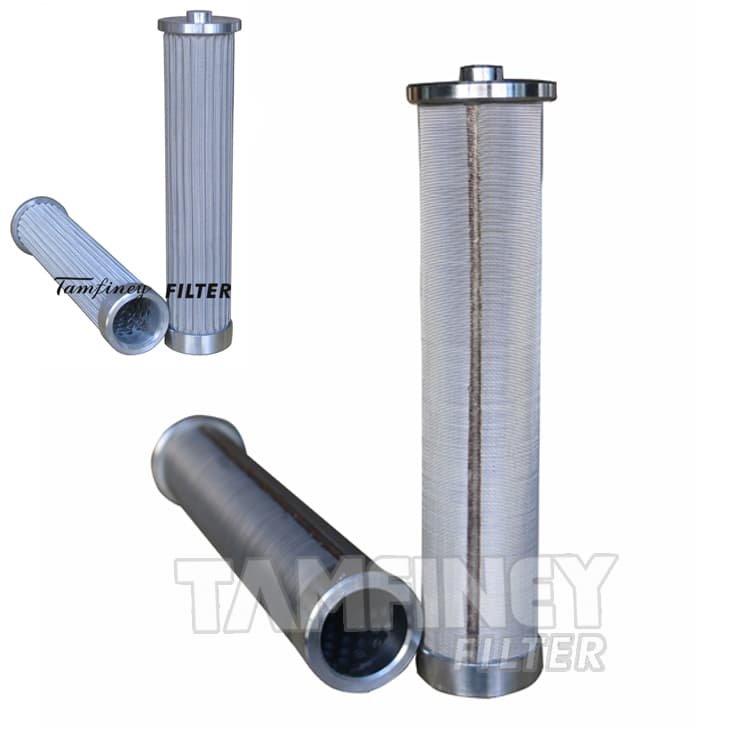



| Hydraulic Pilot Strainer 207-60-61250 207-62-71100 P502611 Parameter: | |
| Part Number | 207-60-61250 207-62-71100 P502611 |
| Brand | Tamfiney |
| Weight | 165g |
| Height | 140/144 mm |
| Outer Diameter | 30 mm |
| Inner Diameter | 23mm |
| Material | Metal & Strainless steel |
| Filter Media | 100-mesh or 125-micron stainless steel wire cloth Strainless steel blend |
| Typical Working Pressure | Up to approx. 6–10 bar |
| Filtration | Approx. 5–10 micron |
| Temperature Rating | Up to approx. 100–120°C |
| Minimum Order | 100 PCS |
| Place of Region: | Zhejiang, China |
| Payment Terms: | T/T |
| Price Terms: | FOB |
| Lead Time: | 30 to 50 days based on order quantities |
| Market Type: | After Market |
| Current Export Market: | Southeast Asian,North America, South America, Western Europe, Eastern Europe, Africa, Oceania |
Application:
KOMATSU
HD 325-8HD 325-8E0HD 405-8HD 405-8E0HD 465-7 RHD 787-7HM 300-2HM 350-1HM 350-1 LHM 350-2HM 400-1PC 300-6PC 300-7 LCPC 340-6K LCPC 350-6PC 350-7PC 360-7PC 400-7 LCPC 450-6 KPC 450 LC-6KWA 1200-3WA 500-6
Professional Hydraulic Pilot Strainer 207-60-61250 207-62-71100 P502611
Q: What is a pilot hydraulic filter?
The pilot hydraulic filter is a precision filtration device specifically designed for the pilot control circuits in hydraulic systems. Its primary function is to ensure high cleanliness of low-flow, low-pressure pilot oil, preventing contaminants from causing pilot valve sticking or signal distortion, thereby guaranteeing precise main valve operation and stable machine control.
Core Features and Functions
- Application Scenario: Primarily installed at the outlet of the pilot pump or the oil inlet of the pilot valve in construction machinery such as excavators, loaders, and hydraulic supports, serving systems like PPC (Pilot Proportional Control).
- Filter Precision: Typically requires 6–20 microns, higher than standard return/oil suction filters, to match the micron-level clearance of pilot valves. Some high-sensitivity systems (e.g., servo/proportional valve circuits) demand precision within 6μm, with oil cleanliness recommended to be maintained below NAS 8.
Structural Features:
- Compact in size, suitable for narrow installation spaces;
- Fiberglass or stainless steel sintered mesh filter materials are commonly used, ensuring both high precision and pressure resistance;
- Equipped with a bypass valve (activation pressure approximately 0.1–0.2MPa), it maintains basic fuel supply during blockages to prevent control interruptions; some models feature differential pressure alarm indicators.
- Key Value: Intercept metal debris, grease, external dust, and other contaminants to prevent valve core jamming, delayed response, misoperation, and other malfunctions, thereby extending the lifespan of precision components.
Maintenance Points
- When replacing hydraulic oil, the pilot filter must be replaced simultaneously to prevent secondary contamination;
Selection must strictly match the manufacturer's specifications (accuracy, flow rate, interface size, pressure rating), and approximate substitution is strictly prohibited; - Regularly inspect the filter element deposits, and establish a replacement cycle based on differential pressure monitoring .
Q: What is the purpose of a pilot line in hydraulics?
The core purpose of hydraulic pilot pipelines is to transmit low flow, low-pressure pilot control oil, which is used to drive or control the action of main hydraulic valves (such as main directional valves, pilot relief valves, etc.), thereby indirectly controlling the high flow, high-pressure main working circuit.
Specific functions include:
- Realize safe and convenient operation control: In construction machinery (such as excavators), the operating handle drives the pilot valve to generate a pilot pressure signal, which is transmitted to both ends of the main valve core through the pilot pipeline, pushing the main valve to change direction and avoiding the operator from directly bearing high-pressure reaction force.
- Reduce control energy consumption and structural complexity: Use low-power pilot oil pressure to "pry" the action of high-power main valves, reduce the force required for electromagnetic or manual operation, and support remote/multi-channel centralized control.
- Ensuring system stability and accuracy: Used in conjunction with the pilot filter element to filter impurities and protect precision pilot components, ensuring accurate control response and no jamming.
Note: The pilot pipeline belongs to the auxiliary control pipeline and does not directly participate in the main energy transmission (different from working pipelines such as oil suction, pressure, and return); Its working pressure is usually much lower than that of the main system (for example, when the main system of an excavator is 30MPa, the pilot pressure is usually 3-5MPa).