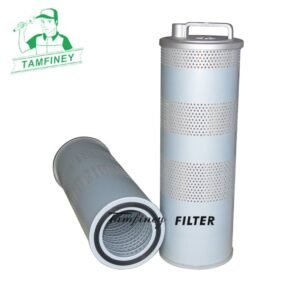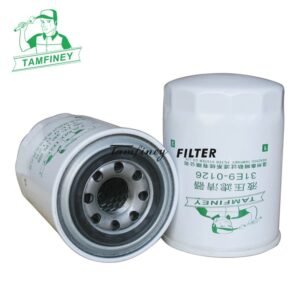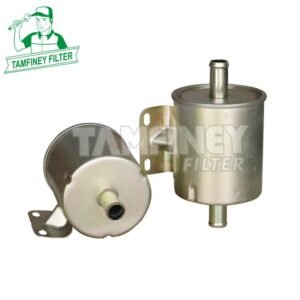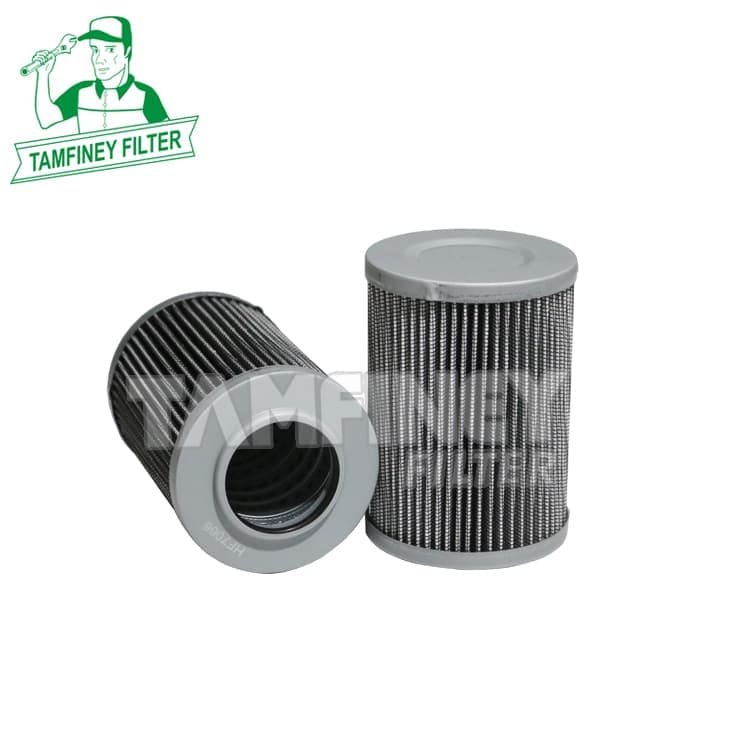



| Hydraulic Filter H9070 H9071 332/J9389 69000056 P164164 Parameter: | |
| Part Number | H9070 H9071 332/J9389 69000056 P164164 |
| Brand | Tamfiney |
| Weight | 289 g |
| Height | 113/117 mm |
| Outer Diameter | 79 mm |
| Inner Diameter | 43 mm |
| Material | Metal & Glass Fiber |
| Filter Media | Glass fiber with Strainless steel blend |
| Typical Working Pressure | Up to approx. 6–10 bar |
| Filtration | Approx. 5–10 micron |
| Temperature Rating | Up to approx. 100–120°C |
| Minimum Order | 100 PCS |
| Place of Region: | Zhejiang, China |
| Payment Terms: | T/T |
| Price Terms: | FOB |
| Lead Time: | 30 to 50 days based on order quantities |
| Market Type: | After Market |
| Current Export Market: | Southeast Asian,North America, South America, Western Europe, Eastern Europe, Africa, Oceania |
Applications:
JCB
MASSEY FERGUSON
MUSTANG
SIMON
TREEMME
VOLVO
Professional H9070 H9071 Hydraulic Element Filter 332/J9389 69000056 P164164
Q: Can you clean a hydraulic filter element?
Yes, youcan. But we need to distinguish the filter material first: metal mesh or copper mesh filters can be cleaned, while fiberglass or paper filters cannot be washed and can only be replaced.
✅ Washable: Hydraulic filter elements made of metal mesh, copper mesh, or stainless steel sintered mesh can be reused after cleaning. This type of filter belongs to the "washable and reusable" category, and can generally be reused more than 20000 times.
❌ Not recommended for cleaning: The vast majority of modern hydraulic filter cartridges are made of glass fiber or filter paper material, and pollutants are trapped in the deep interior of the filter material, not on the surface. Cleaning is simply impossible and can damage the fiber structure, leading to filtration failure.
It's not wrong to save money, but don't take risks with devices. Forcefully cleaning the fiberglass filter element and reusing it is equivalent to letting a "broken sieve" continue to work, and impurities directly enter the system, which accelerates the wear and tear of the pump valve and makes it more expensive to repair.
- If it is confirmed to be a washable metal filter, the method of operating it at home is very simple: soak it in kerosene for a period of time, and then use compressed air or a hair dryer to blow off the blocked dirt from inside out.
- It should be noted that it is best to check the differential pressure indicator of the filter element before cleaning, and only deal with it when it reaches the preset threshold; When cleaning, follow the direction of the filter and do not poke with hard objects.
Q: What is the purpose of a hydraulic filter element?
The core function of the hydraulic filter is to remove impurities from hydraulic oil, protect precision components within the hydraulic system, and maintain oil cleanliness, serving as the "blood purifier" of the hydraulic system.
If not changed for a long time, impurities will wear down the hydraulic pump and cause control valves to jam, resulting in weak performance, sluggish movements, and even oil leakage. Statistics show that approximately 90% of hydraulic system failures are related to oil contamination.
🔧 Specific function
- Filtering impurities: Intercepts contaminants such as metal debris, iron filings, rubber particles, dust, and sludge from the oil to prevent them from scratching valve ports, pump bodies, and seals.
- Protective element: Prevents contaminants from entering precision components such as hydraulic pumps and servo valves, reduces wear and sticking, and extends equipment lifespan.
- Stability Performance: Maintain oil cleanliness, ensure stable system pressure and flow, and achieve more precise movements.
- Extend lifespan: Reduce oil oxidation and component wear, lower maintenance costs, and minimize unplanned downtime.