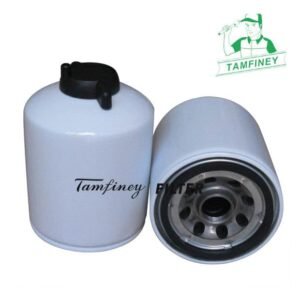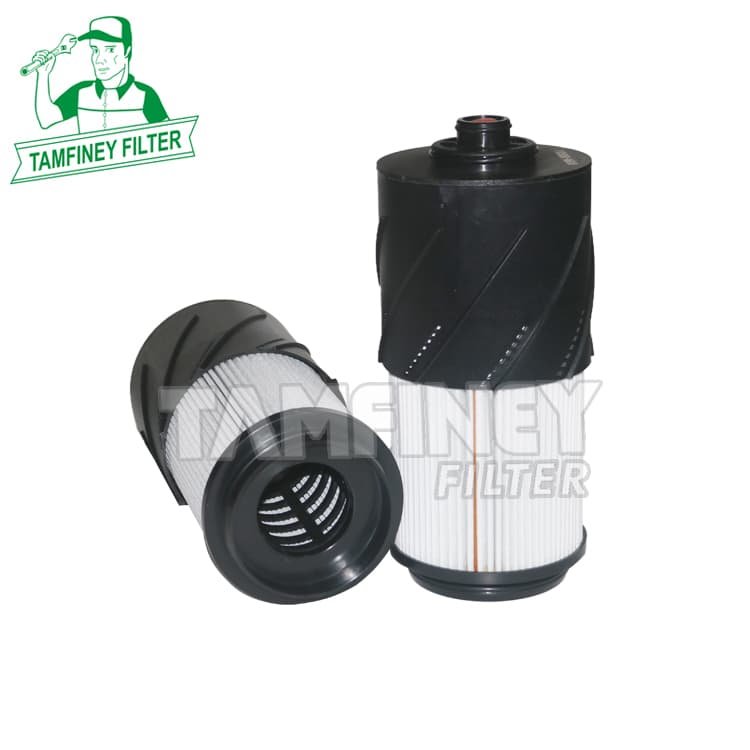


| Fuel Filter Cross Reference 1105050-Q6000 Parameter: | |
| Part Number | 1105050-Q6000 |
| Brand | Tamfiney |
| Weight | 466 g |
| Height | 250/290 mm |
| Outer Diameter | 126/130 mm |
| Inner Diameter/ Thread Size | 60MM |
| Minimum Order | 100 PCS |
| Place of Region: | Zhejiang, China |
| Payment Terms: | T/T |
| Price Terms: | FOB |
| Lead Time: | 30 to 50 days based on order quantities |
| Market Type: | After Market |
| Current Export Market: | Southeast Asian,North America, South America, Western Europe, Eastern Europe, Africa, Oceania |
Applications:
• FAW
Professional Fuel Filters for Diesel Engines 1105050-Q6000 FAW
Why Quality Fuel Filters for Diesel Engines Matter
Engines are the heart of your vehicle, and therefore, fuel quality is crucial. So, investing in reliable Fuel Filters for Diesel Engines is a smart choice. Not only do diesel engines require superior filtration, but they also demand longevity and consistent operation. Because of contaminated fuel, engines can suffer from clogging or premature wear. Additionally, using the right filter reduces maintenance costs over time. Whenever diesel machines operate in tough conditions, their filters protect internal components with every mile.
1105050-Q6000: Specialized Protection for FAW Diesel Vehicles
Every diesel engine needs a part tailored to its system. Specifically, FAW filters such as the 1105050-Q6000 are engineered for superior filtration. Moreover, this FAW filter consistently catches harmful debris and water. Whenever the filter is in place, your diesel engine receives cleaner fuel. Because a precise fit matters, choosing OEM-compliant filters guarantees optimum results. In addition, FAW diesel vehicles have unique filtration requirements, so the 1105050-Q6000 ensures no compromise in performance.
Advanced Filtration Benefits: Extending Engine Life
Diesel engines face more severe operating environments than gasoline engines. Therefore, premium Fuel Filters for Diesel Engines must utilize advanced filtration technology. With multi-layer filter media, contaminants are trapped effectively. Furthermore, the 1105050-Q6000 for FAW offers exceptional dirt-holding capacity. Not only does this extend service intervals, but it also reduces emergency breakdowns. Whenever reliability is needed, advanced filters become the best investment for fleets and single vehicles alike.
Easy Installation: Minimize Downtime and Costs
Routine maintenance shouldn’t be a challenge. Therefore, FAW filters like the 1105050-Q6000 offer user-friendly designs. Whenever replacement is required, technicians save time thanks to thoughtful engineering. Not only do streamlined installation processes prevent errors, but they also help vehicles resume operation quickly. Additionally, diesel engine filters with easy-fit features reduce labor expenses considerably. Because time equals money in business, simple changes make a noticeable impact on every fleet’s profitability.
TAMFINEY: The Trustworthy Source for Diesel Filtration
Whenever looking for consistent quality and responsive service, TAMFINEY meets your needs seamlessly. We supply Fuel Filters for Diesel Engines, including FAW filters such as 1105050-Q6000. Furthermore, our products undergo rigorous quality testing before shipping. Because customers demand reliability, we provide expert support for every filter purchase. Not only does TAMFINEY offer fast delivery, but we also help clients select perfect filtration solutions easily.
Sustainability Through Efficient Filtration Solutions
Today, eco-friendly solutions gain increasing importance in diesel fleets. Therefore, TAMFINEY incorporates sustainability into our Fuel Filters for Diesel Engines. By using durable filter media, products like 1105050-Q6000 reduce frequency of replacements. Additionally, less waste means a lower environmental footprint. Whenever compliance is necessary, our FAW filters help businesses meet green standards. Not only do these choices yield cost-effective operations, but they also support responsible consumption.
Choose TAMFINEY: Reliable Diesel Engine Filters for Every Need
Engine protection begins with the right filter solution. Whenever you select TAMFINEY’s Fuel Filters for Diesel Engines, your vehicle’s longevity is assured. Additionally, our range of FAW filters—including 1105050-Q6000—fits multiple applications and needs. Not only do we provide technical support, but our team ensures every order meets top standards. Because downtime and costly repairs can be prevented, choose TAMFINEY to drive your business forward confidently. In conclusion, rely on TAMFINEY for quality, efficiency, and unmatched service—every mile, every engine.
Q1: How often should you change your fuel filter on a diesel engine?
The replacement cycle of diesel engine fuel filters is not fixed and depends mainly on various factors such as your vehicle's user manual recommendations, actual driving environment, and diesel quality. Overall, a common reference range is to replace it every 5000 to 10000 kilometers of driving.
However, in order to more accurately meet your needs, the following key information is provided for your reference:
🔧 The main factors affecting the replacement cycle
Fuel quality: This is the most critical factor. If you frequently refuel at regular gas stations with less fuel impurities, the lifespan of the filter will be longer. On the contrary, if non-standard diesel or oil from small gas stations is frequently added, impurities will clog the filter element faster and the replacement cycle needs to be shortened.
Driving environment:
Harsh environment: If your vehicle frequently travels in areas with high levels of dust, poor road conditions, or humidity, the dust and moisture in the air can accelerate filter pollution. It is recommended to shorten the replacement mileage (e.g. every 3000-5000 kilometers).
Good environment: In areas with good road conditions and clean environment, the replacement cycle can be appropriately extended (e.g. up to 20000 kilometers).
Vehicle usage: If the vehicle frequently travels short distances, heavy loads, or at high speeds, the engine workload is high, fuel consumption is fast, and filter wear is also faster, it needs to be checked and replaced more frequently.
Q2: What filter is best for diesel fuel?
The filters of diesel engines mainly include oil filters, air filters, and fuel filters. Choosing the most suitable filter requires consideration of the vehicle model, operating environment, and quality standards of the filter.
For diesel vehicles, air filters and oil filters are key components that can effectively filter impurities and protect the engine. Famous brands such as MANNFILTER, MAHLE, and Wix are recommended for their high filtration efficiency and reliability. If you want to choose cost-effectiveness, the Tamfiney filter can also be used as a reference. When making specific choices, priority should be given to matching the engine model and emission standards of the vehicle.
Q3: What are the symptoms of a bad diesel fuel filter?
When the diesel filter is damaged, the vehicle usually exhibits various abnormal symptoms, mainly due to fuel supply obstruction or insufficient combustion. The following are common manifestations:
Power decline: The engine feels weak, accelerates slowly, and overtaking is difficult due to impurities and moisture causing insufficient fuel combustion, resulting in a decrease in output power.
Difficulty starting: Fuel fluidity and atomization effect are affected, and the engine may require multiple attempts to start, or even fail to start.
Black smoke emitted from the exhaust pipe: When the combustion is incomplete, the partially burned fuel is discharged in the form of black particles, and the exhaust gas becomes noticeably black.
Increased fuel consumption: The combustion efficiency decreases, and the vehicle needs to consume more fuel to maintain the same power, resulting in an increase in fuel costs.
Increased noise: Abnormal operation of the fuel supply system, unstable fuel injection rhythm, intensified friction of internal mechanical components of the engine, resulting in greater noise.
Overheating of engine: Insufficient combustion increases workload, heat accumulation leads to abnormal temperature rise of the engine, which may cause more serious faults.
If the above symptoms occur, it is recommended to check the diesel filter in a timely manner and replace it regularly (usually every 20000 to 40000 kilometers or as required by the vehicle manual), while using high-quality diesel to reduce the accumulation of impurities