Get a Free Quote
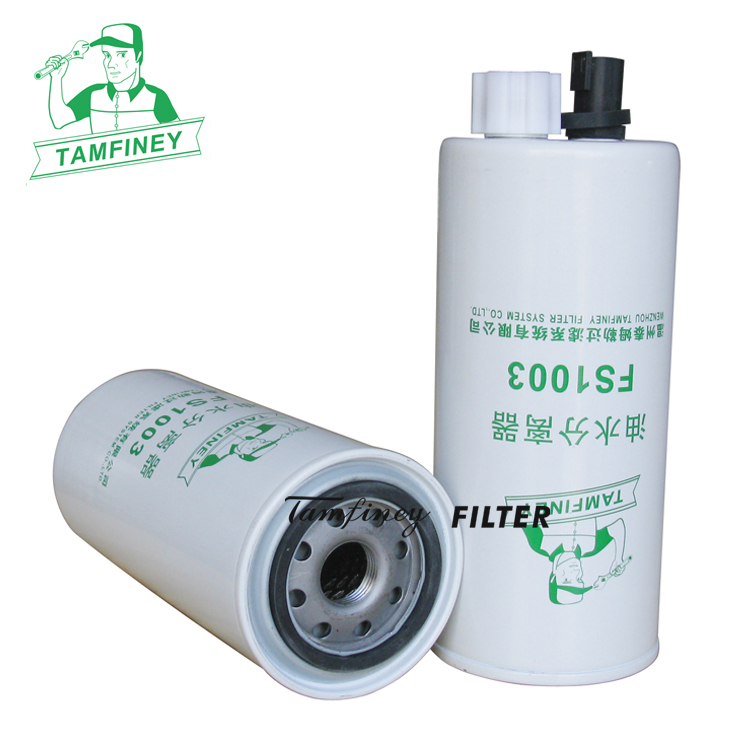
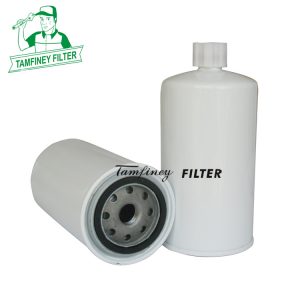
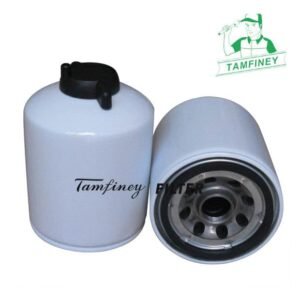
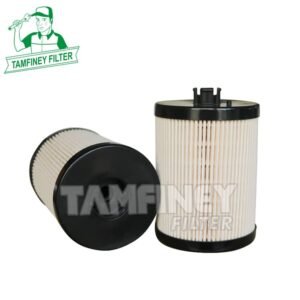
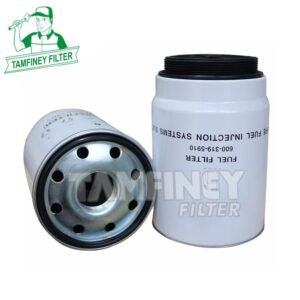
Fuel Filter FS1065 FS1067 BF1293-SPS BF1293SPS BF1272-SPS
Your BestFuel Filter FS1065 FS1067 BF1293-SPS BF1293SPS BF1272-SPS Fuel filter manufacturer in China.
Fleetguard FS1065 FS1067 JLG 70024314 BALDWIN-BF1293SPS ,BF1378SPS BF1272SP BF1293-SPS BF1272-SPS CASE 87307432 ,87307433 HYUNDAI 11NA-70010 CUMMINS 3406889,3954891 ,3954904 ,4070801 ,4934544 ,4934879 ,4934949 ,340688900 3944269 3800394


|
Fuel Filter FS1065 FS1067 BF1293-SPS BF1293SPS BF1272-SPS Parameter: |
|
| Part Number | FS1065 FS1067 BF1293-SPS BF1293SPS BF1272-SPS |
| Brand | Tamfiney |
| Weight | 843g |
| Height | 255 mm |
| Outer Diameter | 94 mm |
| Inner Diameter/ Thread Size |
1"-14 |
| Minimum Order | 100 PCS |
| Place of Region: | Zhejiang, China |
| Payment Terms: | T/T |
| Price Terms: | FOB |
| Lead Time: | 30 to 50 days based on order quantities |
| Market Type: | After Market |
| Current Export Market: | Southeast Asian,North America, South America, Western Europe, Eastern Europe, Africa, Oceania |
Applications:
DYNAPAC CA 2500 D/PDCA 3500 D/PDCA 4000 DCC 4200CC 4200CC 5200 CCC 7200CP 2700
FAST NAVIGO 140 S/CITY/MAXI CITYNAVIGO 160 S
FIAT KOBELCO W 270 EVOLUTION
FURUKAWA HCR 1400 ED
GROVE RT 9130 E2RT 9130 E3RT 9130 E4RT 9150 E3RT 9150 E4TMS 500 ETMS 500 E07
TEREX TFC 45 LX HC SIDERTFC 45 LX HC SIDER
VOGELE SUPER 1600-3ISUPER 1800-3SUPER 1800-3ISUPER 1800-3ISUPER 1803-3ISUPER 1900-3I
WIRTGEN W 100 FW 100 FIW 100 FIW 120 FW 120 FIW 130 FW 130 FIW 210W 210 IW 250 I
Professisonal Fuel Filter FS1065 FS1067 BF1293-SPS BF1293SPS BF1272-SPS
Q: Why is my fuel filter full of water?
Water accumulation in the fuel filter is one of the design functions, used to separate moisture from the fuel:
Under normal circumstances, the filter is equipped with a water accumulation cup. When there is too much water, the dashboard will light up the WIF (Water in Fuel) warning light.
If the indicator light is on or indicates "water content", it is necessary to drain the accumulated water or replace the filter element.
Q: How to remove water in a fuel filter?
To remove moisture from the fuel filter, appropriate measures should be taken based on the vehicle type (gasoline or diesel), degree of moisture accumulation, and vehicle structure. The standard processing method is as follows:
1. Replace the fuel filter
Recommended practice: Especially suitable for situations with high moisture content or long-term non replacement. It is recommended to replace the fuel filter synchronously with each oil change to ensure the cleanliness of the fuel system.
When operating, first release the fuel system pressure, use original or API standard filters, and tighten the interface according to the manufacturer's specified torque (usually 20-30 N • m).
2. Drain accumulated water (applicable to vehicles with drainage valves)
Applicable scenario: The bottom of the filter is equipped with a water accumulation cup and a drainage valve, and the water level does not exceed the warning line.
3. Use fuel additives
Function: Helps water mix with fuel and be consumed during combustion.
Limitations: Only applicable to small amounts of water; If the water volume is large and the effect is limited, other methods need to be combined.
4. Clean or replace contaminated parts
If moisture has entered the fuel circuit or tank, it is recommended to add fuel system cleaner to the tank according to the instructions.
In severe cases (such as water content exceeding 0.5%), the fuel in the fuel tank should be completely replaced and the oil circuit should be cleaned.
Q: What happens if there is water in the fuel filter?
If there is water in the fuel filter, it can cause a series of adverse effects on the vehicle's fuel system and engine, with the following specific manifestations:
• Engine malfunction: Water is non-combustible, and its mixing with fuel can lead to incomplete combustion, resulting in weak acceleration, power loss, unstable idling, or even stalling.
• Warning light illumination: When the vehicle ECU detects abnormal combustion or fuel system failure, it will trigger the warning light (which may flicker or remain steady).
• Filter clogging: Moisture may combine with impurities to form deposits, clogging the fuel filter or fuel injectors and affecting fuel supply.
• Metal component corrosion: Water can corrode metal parts such as fuel pumps, injectors, and valves, potentially causing permanent damage if left untreated over time.
• Cold start difficulty (especially in diesel vehicles): Moisture may freeze at low temperatures, clogging the fuel line or affecting ignition, making it difficult to start.
• Abnormal exhaust: If water is present in the diesel engine, white smoke (water vapor) often appears in the exhaust.