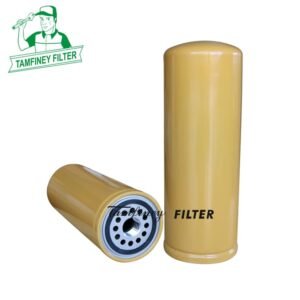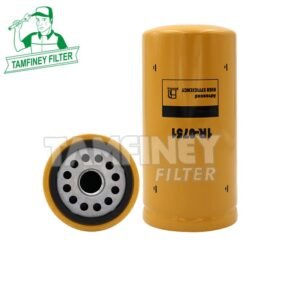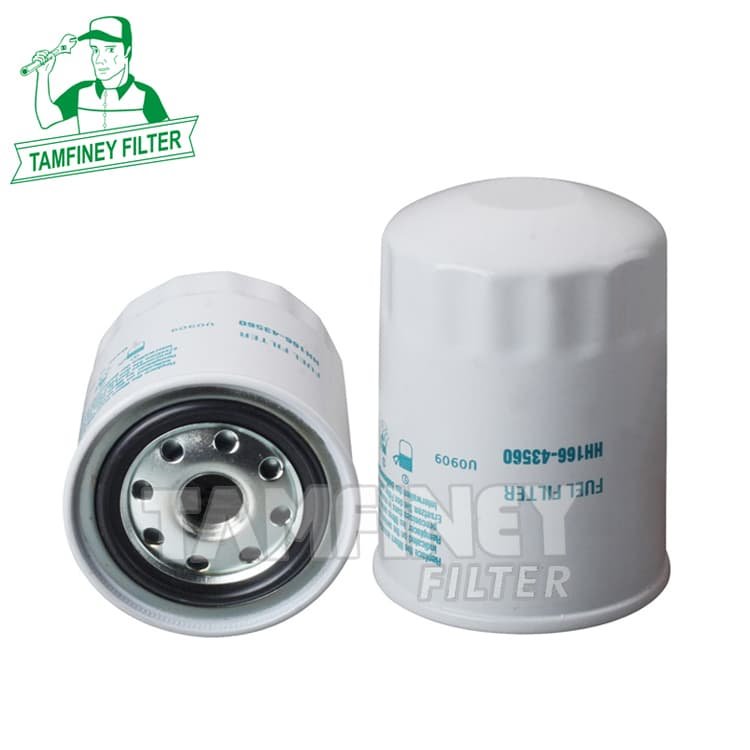



| Fuel Filter BF7967 FF5172 WK7041 HH1G0-43560 Parameter: | |
| Part Number | BF7967 FF5172 WK7041 HH1G0-43560 |
| Brand | Tamfiney |
| Weight | 433 g |
| Height | 112 mm |
| Outer Diameter | 78 mm |
| Inner Diameter/ Thread Size | 3/4-16 |
| Minimum Order | 100 PCS |
| Place of Region: | Zhejiang, China |
| Payment Terms: | T/T |
| Price Terms: | FOB |
| Lead Time: | 30 to 50 days based on order quantities |
| Market Type: | After Market |
| Current Export Market: | Southeast Asian,North America, South America, Western Europe, Eastern Europe, Africa, Oceania |
Applications:
• KAESER M 115.C
• KUBOTA KX 183KX 185M 8200M 8200 CM 8200 CCSM 8200 DTM 8200 DTCM 8200 DTHM 8200 DTNM 8200 DTNQM 8200 HDM 8200 HDCM 8200 SDNBM 8200 SDNBCM 8200 SDTNM 8540 DTHM 8540 DTHQM 8540 DTNM 8540 DTNQM 8540 DTQM 8560 DTHM 8560 DTHQ
• LINCOLN CLASSIC 300 DCLASSIC 300 DVANTAGE 400VANTAGE 500
Professional Fuel Filter for Kubota BF7967 FF5172 WK7041 HH1G0-43560
Q: How often should I change the fuel filter on my Kubota?
The replacement cycle of Kubota fuel filters is not fixed and depends mainly on factors such as the specific engine series you are using, actual operating conditions, and fuel quality. The following is reference information based on different Kubota engine series:
• For common gasoline engines, you can check and clean the fuel filter every 100-150 hours of operation or 3-4 months.
• For other series (such as D722, V1505, V2403, etc.): The replacement cycle may vary, for example, every 250-350 hours or 350-450 hours.
Key factors affecting the cycle and adjustment suggestions:
• Operating environment: If your engine frequently operates in dusty and harsh conditions, maintenance intervals should shorten accordingly.
• Fuel quality: Long term use of low-quality fuel can accelerate filter clogging and require more frequent inspection and replacement.
• Vehicle User Manual: The most authoritative reference is your Kubota Equipment User Manual, which provides the most accurate maintenance recommendations based on your specific model. Please be sure to follow the manual.
Q: Where are the fuel filters on a Kubota?
The position of the fuel filter for Kubota engines may vary depending on the specific model and configuration, but there are usually several common installation positions:
• Inside the fuel tank: Some models of fuel filters are in the tank and are usually connected to the gasoline pump. You can search upstream through the fuel supply pipeline. If you don't see the filter on the pipeline, it is likely inside the fuel tank.
• Under the chassis of the vehicle: External fuel filters are commonly at the connection of the chassis oil pipes, and can generally be along the fuel supply pipeline. For diesel models, it may be directly in front of the fuel tank.
• In the engine compartment: Some models may install fuel filters in the engine compartment for easy maintenance.
Due to the fact that Kubota engines cover multiple types (such as gasoline or diesel power), you consult the vehicle's user manual or maintenance manual for accurate location information specific to your model. If self checking, make sure the engine is turned off and cooled down to avoid the risk of fuel leakage.
Q: How to tell if a tractor fuel filter is bad?
To determine whether the tractor fuel filter is bad, a comprehensive assessment can be observing the vehicle's operational symptoms, inspecting related components, and using professional tools. Below are common methods and steps for evaluation:
🔍 Observe operational symptoms
When the fuel filter is bad, the tractor will exhibit a series of noticeable operational abnormalities:
• Power decline: Weak acceleration, especially under heavy loads (such as plowing or climbing hills), where it feels necessary to press the accelerator pedal deeper to achieve normal power.
• Difficult starting: Multiple ignition attempts may be required to start, or even failure to start, due to abnormal combustion pressure caused by insufficient fuel supply.
• Engine vibration: The engine exhibits noticeable shaking at idle, caused by unstable fuel supply leading to incomplete combustion of the air-fuel mixture.
• Increased fuel consumption: Reduced fuel efficiency leads to a significant rise in fuel usage under the same operational conditions.
• Abnormal emissions: May emit black or white smoke, indicating incomplete combustion.
• Fault Light Illumination: Some tractors are equipped with a fuel system fault light. If it lights up (steady or flashing), immediate inspection is required. A flashing light may indicate excessive moisture in the filter, while a steady light may indicate a sensor malfunction.
🔧 Visual and Simple Inspection
• Visual Inspection: After turning off the power, inspect the fuel filter housing for any signs of damage, deformation, rust, or fuel leakage. If there is obvious damage, replace it.
• Fuel Condition Inspection: If conditions permit, remove the filter (requires professional handling) and drain the internal fuel for observation. If the fuel appears dark, cloudy, or contains visible impurities, it indicates that the filter element has failed and should be replaced promptly.
🛠️ Professional Testing Methods
• Pressure test: Use a fuel pressure gauge to measure the pressure difference before and after the filter. Under normal conditions, the pressure difference should be minimal. If it exceeds the specified range, it indicates that the filter element may be clogged.
• Oil-water separator inspection: For diesel tractors, a malfunctioning oil-water separation filter can allow moisture and impurities to enter the fuel system. Check whether the discharged water exceeds the oil content limit, or observe if the safety valve activates abnormally.
📝 Daily Maintenance Recommendations
• Regular Replacement: Fuel filters come in built-in and external types. External filter elements should be replaced every 30,000 kilometers, while built-in elements can last up to 60,000 kilometers. If the fuel quality is good, replacement can be delayed slightly, but as a preventive measure, it is generally recommended to inspect and replace them around 30,000 kilometers.
• Note the usage environment: In areas with high dust levels or poor fuel quality, the replacement interval should be shortened.
If multiple of the above symptoms occur or the warning light illuminates, it is recommended to promptly contact a professional technician for a thorough inspection to prevent severe engine damage caused by fuel-related issues.