Get a Free Quote

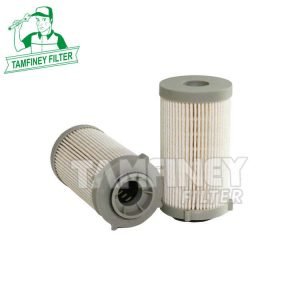
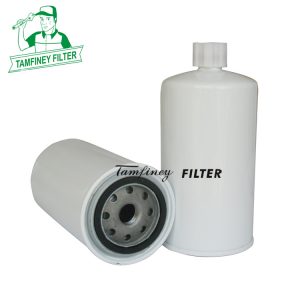
Fuel Filter AT365870 R9030M LFF5850 LFF5851 for John Deere
Your Best Fuel Filter AT365870 R9030M LFF5850 LFF5851 for John Deere Fuel filter manufacturer in China.
John Deere AT365870 RACOR R9030M R90BB02 S3226FG01 WIX WF10016 Luber finer LFF5850 LFF5851 FRAM-PS7714 ,PS9794 PS7716 PS8486 ATLAS COPCO 1604754300 KOHLER 411900028



| Fuel Filter AT365870 R9030M LFF5850 LFF5851 Parameter: | |
| Part Number | AT365870 R9030M LFF5850 LFF5851 |
| Brand | Tamfiney |
| Weight | 756 g |
| Height | 159 mm |
| Outer Diameter | 108 mm |
| Inner Diameter/ Thread Size |
1" - 14 |
| Minimum Order | 100 PCS |
| Place of Region: | Zhejiang, China |
| Payment Terms: | T/T |
| Price Terms: | FOB |
| Lead Time: | 30 to 50 days based on order quantities |
| Market Type: | After Market |
| Current Export Market: | Southeast Asian,North America, South America, Western Europe, Eastern Europe, Africa, Oceania |
Applications:
- Dozer Models: 450J/K, 550J/K, 650J/K, 700J/K/L, 750J/K/L, 850J/K/L, and 764.
- Excavator Models: 300P, E130, E140LC, E210, E230/LC, E240, E260/LC, E330, E360, E400.
- Feller Bunchers/Harvesters: 643K/L, 843K/L, 753J/JH, 759J/JH.
- Engine Types: Commonly fits 4045, 6068, and 6090 engines.
Professional Fuel Filter AT365870 R9030M LFF5850 LFF5851 for John Deere
Q: What is the difference between a fuel filter and a water separator?
There are significant differences in function, structure, and application scenarios between fuel filters and fuel water separators, especially in diesel vehicle systems where the division of labor is clear and they work together.
• Different functional positioning
Fuel filter: Its main function is to filter out solid impurities (such as metal shavings, dust, gum, etc.) in the fuel. Some models also have a certain water removal function, but the core goal is to ensure the cleanliness of the fuel and prevent wear or blockage of the fuel injection system.
Fuel water separator: specifically designed to separate water from fuel, using the density difference between oil and water to achieve physical separation, ensuring that the water content of the fuel entering the engine is extremely low, avoiding corrosion, jamming, or poor combustion of the fuel injectors.
• Differences in structure and working principle
Fuel filters typically use microporous paper or synthetic material filters to remove impurities through physical interception and adsorption;
Fuel water separators often use structures such as gravity settling, coalescing filter elements, and demulsification layers to allow water to accumulate and be regularly discharged through drainage valves.
• Is it interchangeable
The two are irreplaceable. Water separators are almost unable to filter fine impurities, while ordinary filters have limited efficiency in separating water, especially in high-pressure common rail diesel systems, which require a combination of the two to meet fuel cleanliness requirements.
• Role in diesel vehicle system
Modern diesel vehicles (especially those with National IV and above emission standards) typically use a two-stage filtration system:
1. Diesel Primary filter (often integrated with fuel water separation function): installed in the low-pressure oil circuit, it first removes large particle impurities and separates most of the water;
2. Diesel Secondary filter (high-precision filter): Installed in front of the high-pressure oil pump, it filters out particles larger than 3-5 μ m to ensure fuel injection accuracy.
⚠️ Attention: Some users consider the "oil-water separator" as a type of fuel filter, but in practical applications, the oil-water separator is a specialized component in the fuel filtration system, emphasizing its "water removal" function.
Q: Why does my fuel filter keep clogging?
1. Long term non replacement of filter element: The fuel filter has a service life (usually every 10000~20000 kilometers), and excessive use may cause blockage due to the accumulation of impurities.
2. Poor quality fuel: The fuel at the gas station contains water, gum or particulate matter, and the accelerator filter is clogged.
3. Fuel tank or pipeline contamination: The inner wall of the fuel tank is corroded, the rubber hose is aged and detached, and impurities enter the filter with the fuel.
Q:How do you unclog fuel filters?
It is not recommended to unclog the fuel filters of modern vehicles, especially those with built-in or paper filter elements, as they are designed for one-time use, difficult to clean to restore their original filtering performance, and pose safety hazards.