Get a Free Quote
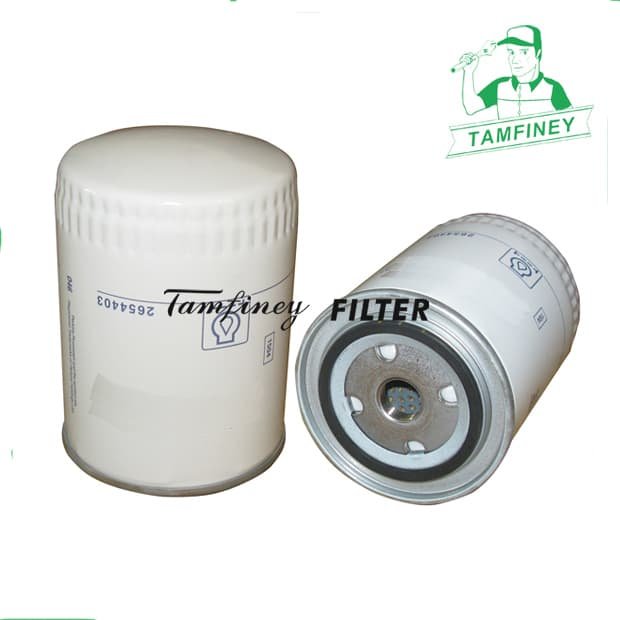
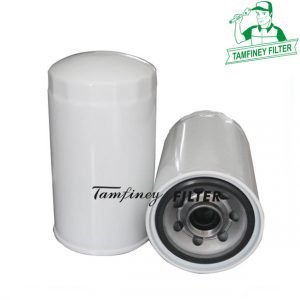
Fleetguard LF701 Cross Reference Oil Filter 10000-51233 10000-71714 901-102
Your best Fleetguard LF701 Cross Reference Oil Filter 10000-51233 10000-71714 901-102 Oil filter manufacturer in China.
FENWICK-3540106 FG WILSON-901-102 ,934-623 ,10000-51233 10000-71714 FIAT-1834110 62703506 ,70002503 A730X6714BA ,V34778 FIATALLIS-87800083 FLEETGUARD-LF701 FORD 3917694 ,3963907 ,5001025 ,5018351 ,5019424 ,7072637 ,9613324 ,74HM6714BA ,A730X6714BA ,C77NN6714B ,E8NN6714BA VOLVO 4840740 ,11711977 Vauxhall GM 17984303 25011131, 7984229, 7984292, 7984844, 91097940



| Perkins Oil Filter LF701 10000-51233 10000-71714 901-102 Parameter: | |
| Part Number | LF701 10000-51233 10000-71714 901-102 |
| Brand | Tamfiney |
| Weight | 423 g |
| Height | 139 mm |
| Outer Diameter | 93 mm |
| Inner Diameter/ Thread Size |
3/4-16 |
| Minimum Order | 100 PCS |
| Place of Region: | Zhejiang, China |
| Payment Terms: | T/T |
| Price Terms: | FOB |
| Lead Time: | 30 to 50 days based on order quantities |
| Market Type: | After Market |
| Current Export Market: | North America, South America, Western Europe, Eastern Europe, Africa, Oceania |
What engines does LF701 fit?
URSUS 45045044514C 350C 360MF 4512MF 5312MF 5314MF 6012MF 6014
VENIERI 8.23 CVF 12.33VF 2.23VF 4.63 DVF 5.63VF 6.53VF 7.73VF 8.23
VOGELE SUPER 1203SUPER 1203SUPER 1800-1SUPER 1800-1 EPSUPER 1803-1
VOLVO 4200L 30LM 218S 830
WILSON P 110 EP 135P 150 EP 165 E1P 30 E1P 33-1P 40P 44 E1P 50 E1P 50 E3P 60 P3P 65 EP 65 E3P 83P 88 E1P 90XD 30 P2 PRO RENTALXP 110 EXP 150 EXP 44 E3XP 55 E1XP 65 E3XP 88 E1
XCMG ZL 30 G
Precision Fleetguard LF701 Cross Reference Oil Filter 10000-51233 10000-71714 901-102
Q: What is the equivalent of LF701?
FENWICK-3540106 FG WILSON-901-102 ,934-623 ,10000-51233 10000-71714 FIAT-1834110 62703506 ,70002503 A730X6714BA ,V34778 FIATALLIS-87800083 FLEETGUARD-LF701 FORD 3917694 ,3963907 ,5001025 ,5018351 ,5019424 ,7072637 ,9613324 ,74HM6714BA ,A730X6714BA ,C77NN6714B ,E8NN6714BA FRAM-P4063 ,PH28032 ,PH28041 ,PH2821 ,PH2821A ,PH2821C ,PH3508 ,PH4743 FURUKAWA-5568656314 ; GRADALL-91034006 ; GT PIECES ET SERVICES-2240134 HEDEN-29800133 ,59501528 ; HENGST-H17W06
TEREX 43109473 ,TM2654403 TIMBERJACK 8420531 ,F003041
Q: How do I cross-reference a filter?
Cross reference filter usually refers to the process of searching and confirming the interchangeability between different brands of filters through the original part number (OE number) in automotive maintenance or parts procurement, ensuring that the selected replacement parts match the specifications of the original parts perfectly.
This process mainly relies on professional automotive parts data systems and standards, rather than simple physical comparisons. The following are key cross referencing methods and key points:
The core method of cross referencing filters
1. Use the original part number (OE number) as a unique identifier
Each car manufacturer assigns a unique original part number to the components they produce. This is the starting point of cross referencing. For example, the part numbers of Volkswagen Group (VAG) typically contain at least 9 characters, with the first few digits possibly representing the applicable vehicle or engine model.
2. Utilize professional automotive parts databases
Authoritative databases are used globally to achieve cross referencing
3. Understand the physical and functional matching of filters
Cross referencing is not only about model correspondence, but also about ensuring consistency in the following points:
O Interface specifications: The thread size, interface shape, and installation method must be completely identical. For example, the bottom cup of a Parker filter has different types of threads such as male and female, and must be matched with the original vehicle parts before installation.
O Filtering performance: The filtering accuracy, flow rate, ash capacity and other performance parameters of the replacement parts should meet or exceed the original factory standards to ensure the engine protection effect.
O Type matching: Confirm whether it is a fuel filter, oil filter, or air filter, and distinguish whether it is a full flow or split flow (oil filter)
Q: Is a 20 or 25 micron filter better?
There is no absolute "better" distinction between 20-micron and 25-micron oil filters. The key lies in matching your vehicle type and engine operating conditions. Both fall within the mainstream precision range and each has its own advantages.
Core conclusion: Select by vehicle model
• For most naturally aspirated cars: 20–25 microns are the ideal choice.
This range can effectively intercept over 90% of harmful particles (such as metal debris and carbon deposits) while ensuring smooth oil flow and preventing premature clogging of the filter element. Mainstream brands like Bosch set 25 microns as the balance point precisely based on this logic.
• For turbocharged engines or high-performance models: 20 microns is better.
Turbocharged engines operate at higher temperatures and pressures, with more precise internal component tolerances and stricter requirements for oil cleanliness. A 20-micron filter can capture finer wear particles, providing enhanced protection.
• For old vehicles or light-duty conditions: 25 microns are sufficient and more economical.
For vehicles with low usage intensity, the 25-micron filter achieves a better balance between filtration efficiency and service life, reducing frequent clogging and ensuring a more stable oil change cycle.
Why isn't it "the smaller, the better"?
Although 20-micron filtration is finer, excessive pursuit of high precision may lead to side effects
• Prone to clogging: The filter element's lifespan is shortened, potentially triggering the bypass valve prematurely, allowing unfiltered oil to enter the engine.
• Higher cost: High-precision filters are generally more expensive, offering poor cost-effectiveness for ordinary vehicles.
Professional advice
1. Refer to the owner's manual first: The filter element precision recommended by the vehicle manufacturer is the most reliable basis.
2. Focus on brand and material: High-quality filters (such as Bosch and Mann) use multi-layer composite filter paper, enabling efficient filtration even at a precision of 25 microns.
3. Avoid confusion: The functions of the oil filter (20–40 microns) and the fuel filter (5–20 microns) differ, so never use them interchangeably.
Summary:
Turbocharged/High-performance vehicles → Select 20 microns
For ordinary family cars → Both 20 microns and 25 microns are acceptable, with 25 microns being the mainstream balanced choice