Get a Free Quote
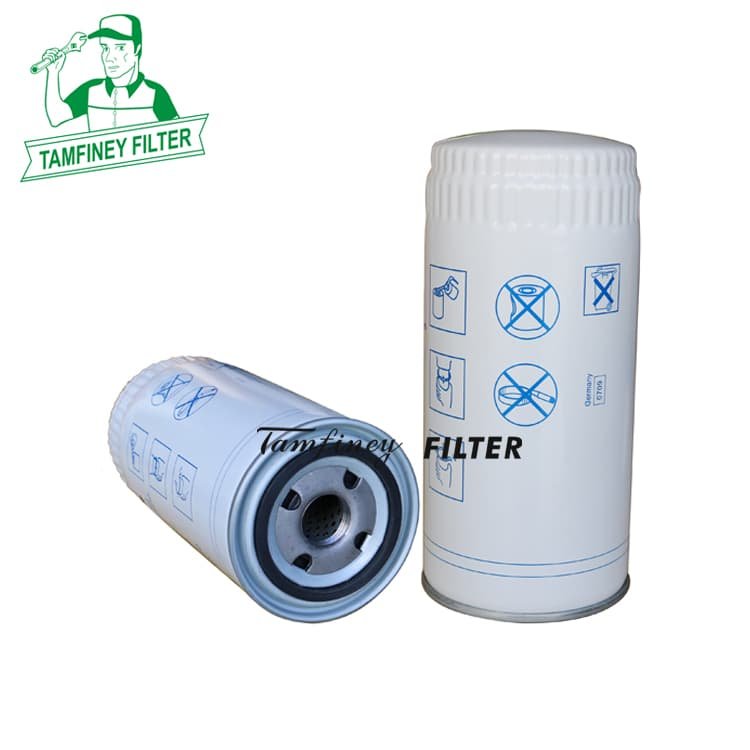
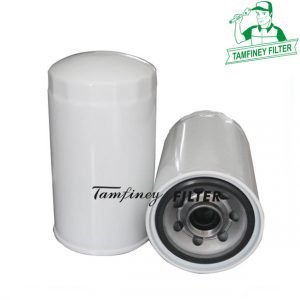
Fleetguard LF4054 Oil Filter Cross Reference LF3413 LF3625 LF3572 LF797
Your best Fleetguard LF4054 Oil Filter Cross Reference LF3413 LF3625 LF3572 LF797 Oil filter manufacturer in China.
FLEETGUARD LF4054 LF3413 1173430 LF3687, LF3625 HF35284 LF3572 LF797 IVECO 61671160 1901919 1902093 1909193 01160025 1160025 1173430 61671160 MERCEDES-BENZ 11849601 A0011849601 RENAULT 24560060 5000670670 24564058 24564060 JCB 7247138 FIAT 61671160 61671600 61673585


| Oil Filter LF4054 LF3413 LF3625 LF3572 LF797 Parameter: | |
| Part Number | LF4054 LF3413 LF3625 LF3572 LF797 |
| Brand | Tamfiney |
| Weight | 729 g |
| Height | 210 mm |
| Outer Diameter | 93 mm |
| Inner Diameter/ Thread Size |
1-12 UN |
| Minimum Order | 100 PCS |
| Place of Region: | Zhejiang, China |
| Payment Terms: | T/T |
| Price Terms: | FOB |
| Lead Time: | 30 to 50 days based on order quantities |
| Market Type: | After Market |
| Current Export Market: | North America, South America, Western Europe, Eastern Europe, Africa, Oceania |
What does LF4054 fit?
INGERSOLL RAND 7.71HP 320 WDP 240P 250 WD/SDP 260 WDP 320 WDP 335 WDP 375 SDP 375 WDP 400 WDP 400 WPP 600 WPSD 120SD 140XP 380
IVECO 159.20160.30 AH165.24
JOHN DEERE 105510651065 HY-41169 H 411741174 HY/411771177 H11881188 SII HYDRO 444254435965 H968 H975C1 200C1 200W230
KAESER M 120 TM 120 TM 120 T 10M 121M 56
KALMAR DCD 220-12DCE 100-6DCE 120DCE 140-6DCE 150-12DCE 160-12DCE 160-6DCE 330-12DCE 90DCE 90-6DCE 9 DDCF 80DRF 100TR 618 I AL
LIEBHERR A 309 LITRONICA 311 LITRONICA 312 LITRONICA 312 LITRONICA 312 LITRONICA 314 LITRONICA 314 LITRONICA 314 LITRONICA 316A 316A 316
LITRONICA 316 LITRONICA 316 LITRONICA 316 LITRONICA 900 BA 900 LITRONICR 942 LITRONICR 942 964 LITRONICR 974 BR 974 BSR 722 M
LIFTER PRAMAC GSW 110 DGSW 135GSW 145GSW 150 DGSW 150 VGSW 160GSW 165 VGSW 170 DSU 101
LINDE H 16 TH 35H 40H 40 DH 50H 50H 60H 60H 70H 70H 70 DH 80
LISTER-PETTER CPA 009CPW 4A009
LIUGONG CLG 614CLG 620CLG 855CLG 856ZL 30 EZL 50 C
LONKING LG 520 A6LG 520 BLG 522 ALG 855LG 855 BZL 50 C
Precision Fleetguard LF4054 Oil Filter Cross Reference LF3413 LF3625 LF3572 LF797
Q: What happens if I use the wrong oil filter?
Using a wrong oil filter can have multiple adverse effects on the engine, and in severe cases, may even lead to engine damage. Below is a detailed explanation of the main risks:
1. Oil Leakage Due to Poor Sealing
If the oil filter is too small or has mismatched threads, it may not seal properly with the engine mounting area, leading to oil leakage. Even a 2 mm error in the sealing ring can result in leakage under high temperature operation, causing insufficient lubrication and engine overheating. Long-term oil leakage can also affect engine cooling, and in extreme cases, may lead to engine detonation.
2. Reduced Filtration Efficiency, Accelerating Engine Wear
Different filter models vary in filter paper precision, filtration area, and bypass valve pressure settings:
- Insufficient Filtration Precision: Unable to effectively capture fine contaminants, which circulate with the oil into the engine, accelerating component wear.
- Mismatched Filter Area: An undersized filter area restricts oil flow, leading to inadequate oil supply; an oversized area may disrupt oil circuit dynamics, both interfering with normal lubrication.
- Risk of Counterfeit or Substandard Products: Low-quality filter paper may break down under high temperature and pressure, generating paper debris that can clog the oil passages, resulting in engine "dry grinding" or even total failure.
3. Abnormal Oil Pressure, Triggering Warning Alerts
An incorrect filter model may alter oil flow resistance and system pressure:
- Low pressure may trigger the oil pressure warning light on the dashboard;
- Abnormal pressure may also affect oil-driven components such as the camshaft phaser, potentially causing the engine fault light to illuminate, reduced power, or cold-start noises.
4. Degraded Engine Performance
Due to poor lubrication and unstable oil pressure, the following symptoms may occur:
- Loss of power during acceleration or uphill driving;
- Difficulty starting or unusual noises during cold starts;
- Abnormally increased fuel consumption;
- In extreme cases, serious mechanical failures such as cylinder scoring or crankshaft damage.
5. Other Potential Issues
- Installation Interference: An oversized filter may not install properly and could damage surrounding engine components;
- Mismatched Bypass Valve: When the filter becomes clogged, the bypass valve should open to maintain oil flow. If the pressure setting is incorrect, the valve may open too early or too late, losing its protective function.
Q: Does an expensive oil filter make a difference?
Expensive oil filters do have significant differences from low-priced products, mainly reflected in materials, processes, filtration performance, and durability. The following are the key differences:
Filter paper quality
High end filter cartridges use high-quality filter paper with high density and rigidity, which has a larger filtration area and stronger pollutant holding capacity, and can maintain structural stability under high temperature and high pressure; Low priced filter paper may be thinner, have a smaller surface area, and even is tearing or falling off.
Check valve material and sealing performance
Expensive filters often use silicone check valves, which are resistant to high temperatures and have good sealing properties, effectively preventing oil reflux; Inexpensive products often use rubber check valves, and even lack this component, resulting in slow establishment of oil pressure during cold start and exacerbating engine wear.
Accuracy of bypass valve
The opening pressure of the bypass valve for high-end products precisely ensure that the emergency channel use in a timely manner; Low priced products may lack bypass valves or have unreasonable pressure settings, which can affect lubrication safety.
Workmanship and internal cleanliness
The interior of the brand filter element is clean and rust free, and all components are firmly fixed; Low cost filter cartridges often have problems such as burrs, rust, and shaking, which may cause noise or failure during operation.
Adaptability and Certification
Luxury car specific filters (such as BMW and Volvo original parts) have higher design standards and can cost over 180 yuan, while ordinary household car filters are mostly in the range of usd3-30. Factory certified filters are usually more in line with engine characteristics.
Q: How often should an oil filter be changed?
The replacement interval for the oil filter is not fixed and is generally every 5,000 to 10,000 kilometers or 6 to 12 months, depending on factors such as oil type and vehicle usage.
General standard for replacement cycle
Principle of synchronous replacement: The main function of the oil filter is to filter impurities in the engine oil and keep the lubricating oil clean. Therefore, it should usually be together with the engine oil to ensure the optimal operation of the engine lubrication system.
Main basis: The replacement cycle mainly depends on the mileage or time traveled, rather than being fixed and unchanging; If the driving mileage does not meet the standard, but the time has passed (such as six months), the filter should also be replaced synchronously with the engine oil.
Specific recommendations for different types of engine oil
The quality of engine oil directly affects the frequency of filter replacement. The following are recommendations based on common types of engine oil:
Mineral oil: It is recommended to replace the oil filter every 3000-5000 kilometers or 6 months.
Semi synthetic oil: It is recommended to replace it every 5000-7500 kilometers or 6 months.
Fully synthetic oil: With better stability, the replacement cycle can be extended to every 8000-10000 kilometers or 8-12 months.
Special circumstances that require early replacement
The actual operating conditions of the vehicle will accelerate the accumulation of impurities. If the following conditions have, the replacement cycle should be appropriately shortened:
Harsh environment: Driving in dusty, windy, or congested road conditions for a long time can cause the engine to produce impurities quickly, increase the load on the filter, and require early replacement.
Frequent short distance driving: The engine starts frequently, runs for a short time, and the accumulation of oil impurities is faster. It is recommended to shorten the cycle to around 5000 kilometers.
High frequency of use: The vehicle is frequently used, the engine runs for a long time, and impurities accumulate faster in the filter, so it also needs to be replaced in advance.