
Get a Free Quote
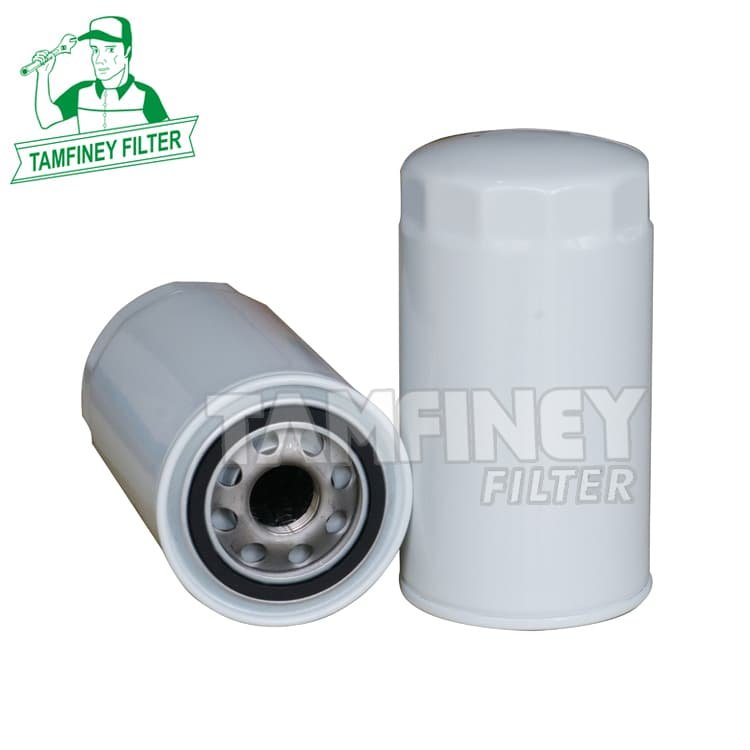
Fleetguard LF16015 Cross Reference Oil Filter H19W10 PH9617 2R0115403 4897898
Your Best Fleetguard LF16015 Cross Reference Oil Filter H19W10 PH9617 2R0115403 4897898 Oil filter manufacturer in China.
Fleetguard LF16015, LF3886, Ford BG5X6731AA, BG6T6731AA BG5X6731AA, Fram PH9453,PH11335 PH9617 4897898 Hengst H19W10, Hitachi 72130494, Komatsu EA504074043, Mahle OC502 Volkswagen 2R0115403 STEYR 2854750 2854751


| Oil Filter LF16015 H19W10 PH9617 2R0115403 4897898 Parameter: | |
| Part Number | LF16015 H19W10 PH9617 2R0115403 4897898 |
| Brand | Tamfiney |
| Weight | 593 g |
| Height | 176 mm |
| Outer Diameter | 93 mm |
| Inner Diameter/ Thread Size |
M27 X 26H INT |
| Minimum Order | 100 PCS |
| Place of Region: | Zhejiang, China |
| Payment Terms: | T/T |
| Price Terms: | FOB |
| Lead Time: | 30 to 50 days based on order quantities |
| Market Type: | After Market |
| Current Export Market: | North America, South America, Western Europe, Eastern Europe, Africa, Oceania |
What engines/vehicles does the LF16015 fit?
SCANIA P220 P250
SENNEBOGEN 355 E613 E613 E817817 E817 M
SHANTUI DH 10-C2DH 16 K
SOLBUS SOLCITY 10SOLCITY 11SOLCITY 11SOLTOUR 10SOLTOUR 11SOLTOUR 11
SUNWARD SWE 155 UF-2PB
SYLVINOV MD TRACK 250
TAARUP PRESTIGE 12PRESTIGE 13
TRACTO-TECHNIK GRUNDODRILL ACS 130
VOLKSWAGEN 17.250 E23.250 E9.150 E
VOLKSWAGEN VU/LT/LW DELIVERY 11.180DELIVERY 9.170
WFM K 1500 WI/S KING SIZE
WIRTGEN SP 250
XCMG XS 143 J
YUTONG ZK 6108 HGH-1ZK 6899 HA
ZOOMLION ZTH 3507 AGZTH 3513ZTH 4014ZTH 4014ZTH 4018ZTH 4018
Premium Fleetguard LF16015 Cross Reference Oil Filter H19W10 PH9617 2R0115403 4897898
Q: What is the difference between LF16015 and other filters?
LF16015 is an oil filter model under Fleetguard. Its main difference lies in engine and model compatibility. The core function matches other filters: it removes impurities and protects engines. However, its design and specs are tailored for specific engines.
LF16015 is the original match for Dongfeng Cummins engines. This means it aligns with original design standards and performance. Other filters may be aftermarket alternatives.
In summary, LF16015's core difference is its specific adaptability. When choosing an oil filter, match the correct model to your engine. This ensures sealing, flow rate, and filtration meet requirements.
Q: What is the Fleetguard LF16015?
The Fleetguard LF16015 is an oil filter designed specifically for heavy-duty diesel engines, produced by the Fleetguard brand and widely used in Dongfeng commercial vehicles and their Cummins engine models.
Main characteristics and applications
• Core function: Efficiently filter impurities and particulate matter in engine oil, ensure the cleanliness of the lubrication system, thereby reducing engine wear, improving operating efficiency, and extending engine life.
• Compatible models: mainly suitable for commercial vehicles such as Dongfeng Tianlong and Dongfeng Tianjin, as well as their equipped Cummins ISF, ISDe, ISBE, QSM11 and other series diesel engines.
Product type: Adopting a spin on design, it is easy to replace quickly and reduces maintenance downtime.
Key technical parameters and certification
Material and process: The filter element is usually made of iron, glass fiber, and specialized filter paper composite materials, which can withstand high temperature and high pressure environments and ensure stability under harsh working conditions. four
Quality certification: Compliant with international standards, some products are labeled with SASO, ROHS, CE and other certifications to ensure safety and environmental performance.
Q: Do oil filters improve gas mileage?
The oil filter itself does not "increase" fuel consumption, but long-term non replacement or improper replacement of the oil filter can indirectly lead to an increase in fuel consumption.
The core function of an oil filter is to filter out impurities such as metal debris, carbon deposits, and gum in the engine oil, maintain its cleanliness, and ensure that the engine receives good lubrication. Once the filter fails, it will cause a series of problems that affect fuel efficiency:
• Decreased lubrication effect: Dirty oil filters cannot effectively filter impurities, resulting in oil deterioration and decreased lubrication performance. The internal friction resistance of the engine components increases, and the engine needs to consume more fuel to maintain normal operation.
• Decreased engine efficiency: Poor lubrication can exacerbate engine wear, leading to a decrease in power output, making the vehicle "run hard" and indirectly pushing up fuel consumption.
• Abnormal oil quantity or viscosity: When replacing the oil filter, if too much oil is added or too high viscosity oil is used, it will increase the crankshaft rotation resistance, directly leading to an increase in fuel consumption.


