Get a Free Quote
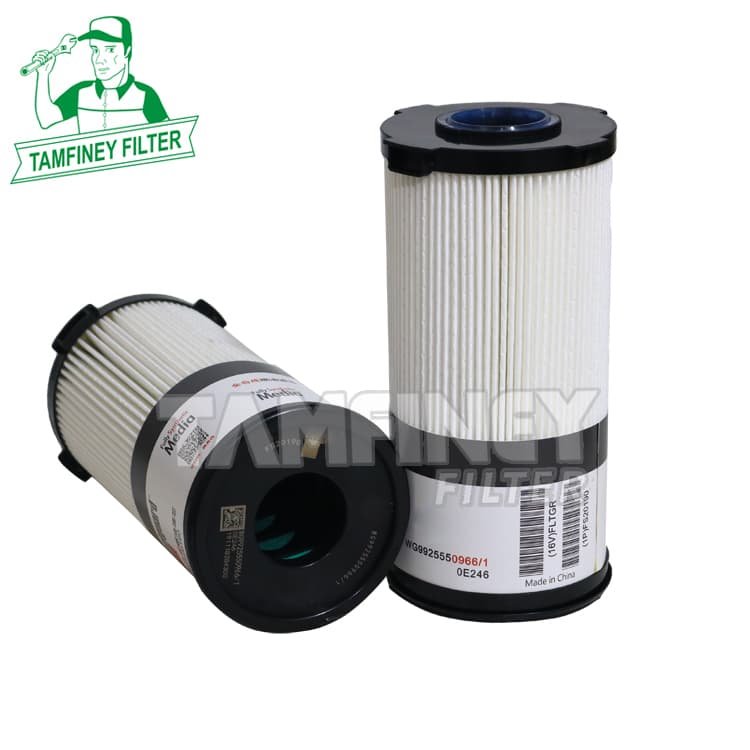
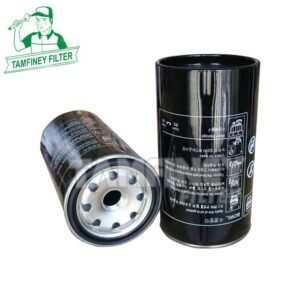
Professional Fleetguard Fuel Filters FS20190 FS20250 WG9925550966/1
Your Best Fleetguard Fuel Filters FS20190 FS20250 WG9925550966/1 Fuel Filter manufacturer in China.
Fleetguard FS20190 FS20250
Howo WG9925550966/1



| Fuel Filter FS20190 FS20250 WG9925550966/1 Parameter: | |
| Part Number | FS20190 FS20250 WG9925550966/1 |
| Brand | Tamfiney |
| Weight | 672 g |
| Height | 249 mm |
| Outer Diameter | 133 mm |
| Inner Diameter | mm |
| Minimum Order | 100 PCS |
| Place of Region: | Zhejiang, China |
| Payment Terms: | T/T |
| Price Terms: | FOB |
| Lead Time: | 30 to 50 days based on order quantities |
| Market Type: | After Market |
| Current Export Market: | Southeast Asian,North America, South America, Western Europe, Eastern Europe, Africa, Oceania |
Applications:
Cummins ISL QSL Engines
Professional Fleetguard Fuel Filters FS20190 FS20250 WG9925550966/1
Fleetguard Fuel Filters represent the gold standard in modern diesel engine protection. In fact, their advanced filtration technology guarantees that harmful particles, water, and debris are efficiently removed from fuel. As a result, critical engine components—such as injectors and pumps—remain safe and perform optimally. Importantly, Fleetguard Fuel Filters not only increase engine longevity but also boost overall fuel efficiency. By reducing maintenance intervals and preventing costly breakdowns, they keep fleets moving with confidence and reliability. That’s why TAMFINEY relies on Fleetguard Fuel Filters to deliver maximum protection for every client.
FS20190: Enhanced Filtration for Demanding Environments
The FS20190 is designed for operators who demand superior filtration performance. For instance, its high-capacity media captures even the smallest contaminants, ensuring cleaner fuel reaches the engine. This filter excels in harsh conditions, preventing wear caused by dirt and water. Furthermore, the FS20190 offers a perfect balance between filtration efficiency and fuel flow. Consequently, engines run smoothly, even under heavy loads or extended operations. TAMFINEY prioritizes the FS20190 because it consistently delivers the protection that professional fleets require.
FS20250: Robust Construction for Extended Service Life
If durability is your priority, the FS20250 is the ideal solution. Its rugged construction withstands extreme pressure and temperature changes without compromising on performance. Not only does FS20250 protect advanced fuel injection systems, but it also supports cleaner emissions and better power output. As maintenance budgets tighten, FS20250 reduces total operating costs by lowering the frequency of replacements. Additionally, maintenance crews appreciate its straightforward installation, which saves both time and labor. For these reasons, TAMFINEY always recommends the FS20250 to fleets operating in challenging environments.
WG9925550966/1: Specialized Filtration for Unique Applications
Occasionally, unique equipment requires equally specialized filters. The WG9925550966/1 meets these requirements with precision. While it cross-references with leading Fleetguard Fuel Filters, this model provides tailored protection for certain vehicle types and industrial machines. Additionally, WG9925550966/1’s innovative filter media ensures consistent performance across varied fuel qualities. For fleets embracing diverse vehicles or equipment, TAMFINEY offers WG9925550966/1 to streamline inventory and keep every machine fully protected.
TAMFINEY: Your Source for Fleetguard Fuel Filters
TAMFINEY is committed to supplying only top-tier Fleetguard Fuel Filters, such as FS20190, FS20250, and WG9925550966/1. Furthermore, our team is ready to advise you on the best filter for your exact application. We offer fast delivery, dependable after-sales support, and maintain a reliable stock—ensuring your fleet stays prepared for any challenge.
Conclusion: Choose Fleetguard and TAMFINEY for Ultimate Engine Protection
In conclusion, Fleetguard Fuel Filters are essential for maximizing diesel engine performance and longevity. With proven models like FS20190, FS20250, and WG9925550966/1, your investment stays safeguarded under all conditions. Trust TAMFINEY to deliver superior filters and unparalleled service every time. Elevate your fleet’s reliability—choose Fleetguard Fuel Filters from TAMFINEY today.
Q: Are Fleetguard fuel filters any good?
Fleetguard is an American brand belonging to Cummins Inc., specializing in engine filtration systems. Its products are widely used in commercial vehicles and industrial equipment. As a key component of the engine, the fuel filter mainly functions to filter impurities and moisture in the fuel and protect the fuel injection system. Fleetguard fuel filters typically use high-efficiency filter materials that can effectively separate water and particulate matter, extending engine life. However, the specific effect may vary depending on the vehicle model, usage environment, and maintenance situation.
Q: Can I clean a fuel filter instead of replacing it?
It is not recommended to clean the fuel filter, but to replace it according to the prescribed cycle.
The following is a detailed explanation and analysis:
Why is it not recommended to clean the fuel filter?
1. Structural limitations: Most gasoline filters used in modern cars are disposable and non removable, with the core filter element typically made of paper material. This structure determines that it cannot be effectively cleaned and reused like an air filter.
2. The cleaning effect is difficult to guarantee: even if some filters can theoretically be cleaned (such as using carburetor cleaning agents), it is difficult to completely remove the accumulated impurities inside. Incomplete cleaning can result in residual impurities, which may re-enter the fuel system during engine operation and cause damage to the engine.
Potential risk: In order to ensure the normal operation of the engine and extend its service life, it is crucial to use clean and reliable fuel. Cleaning the fuel filter carries risks, and if it fails, it may lead to clogged fuel injectors, increased engine carbon buildup, or even more serious mechanical failures. The repair cost will be much higher than replacing a new filter.
Q: Which is better, 10 micron or 30 micron?
Based on existing information, both 10 micron and 30 micron pre filters have their own advantages and disadvantages. The choice of which one is better mainly depends on your specific oil environment, needs, and preferences. Here are detailed comparisons and suggestions:
Filtering accuracy and interception effect
10 microns: Higher filtration accuracy, able to intercept finer impurities such as fine sediment, rust, colloidal particles, and even some micro debris. Equipment with higher purity requirements for oil will require
30 microns: The filtration accuracy is relatively low, mainly intercepting visible large particle impurities such as sediment, rust, etc. For typical vehicles, 30 microns is sufficient and can balance filtration efficiency and flow rate.
Influence of flow rate and oil pressure
10 microns: Due to the finer filter, it is easy to clog, which may lead to a decrease in flow rate or oil pressure.
30 microns: Stronger oil flow capacity, smaller flow and oil pressure losses, and longer maintenance cycles.
Maintenance costs and applicable scenarios
10 microns: requires more frequent cleaning or filter replacement, high maintenance burden, and may increase long-term usage costs.
30 microns: easy to maintain, cost-effective, suitable for most general vehicles.
How to choose?
Choose 10 microns if it can provide finer filtration,
Choose 30 microns if pursuing low maintenance costs and smooth water usage experience. It can meet most of the needs and is economically practical.
In short, there is no absolute 'better', it needs to be determined based on your habits and willingness to maintain.